




Supporting British Industry & Craftsmanship

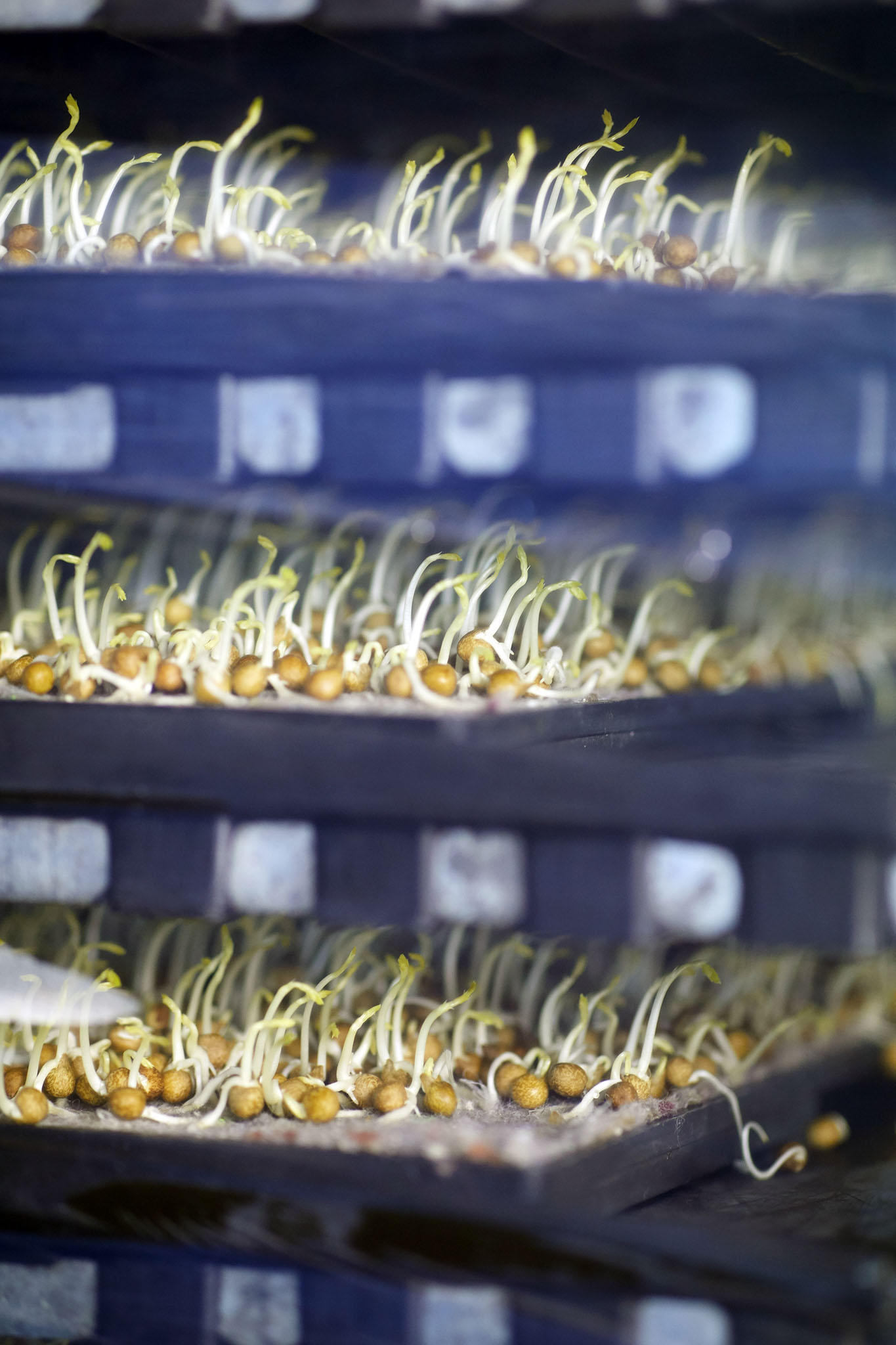
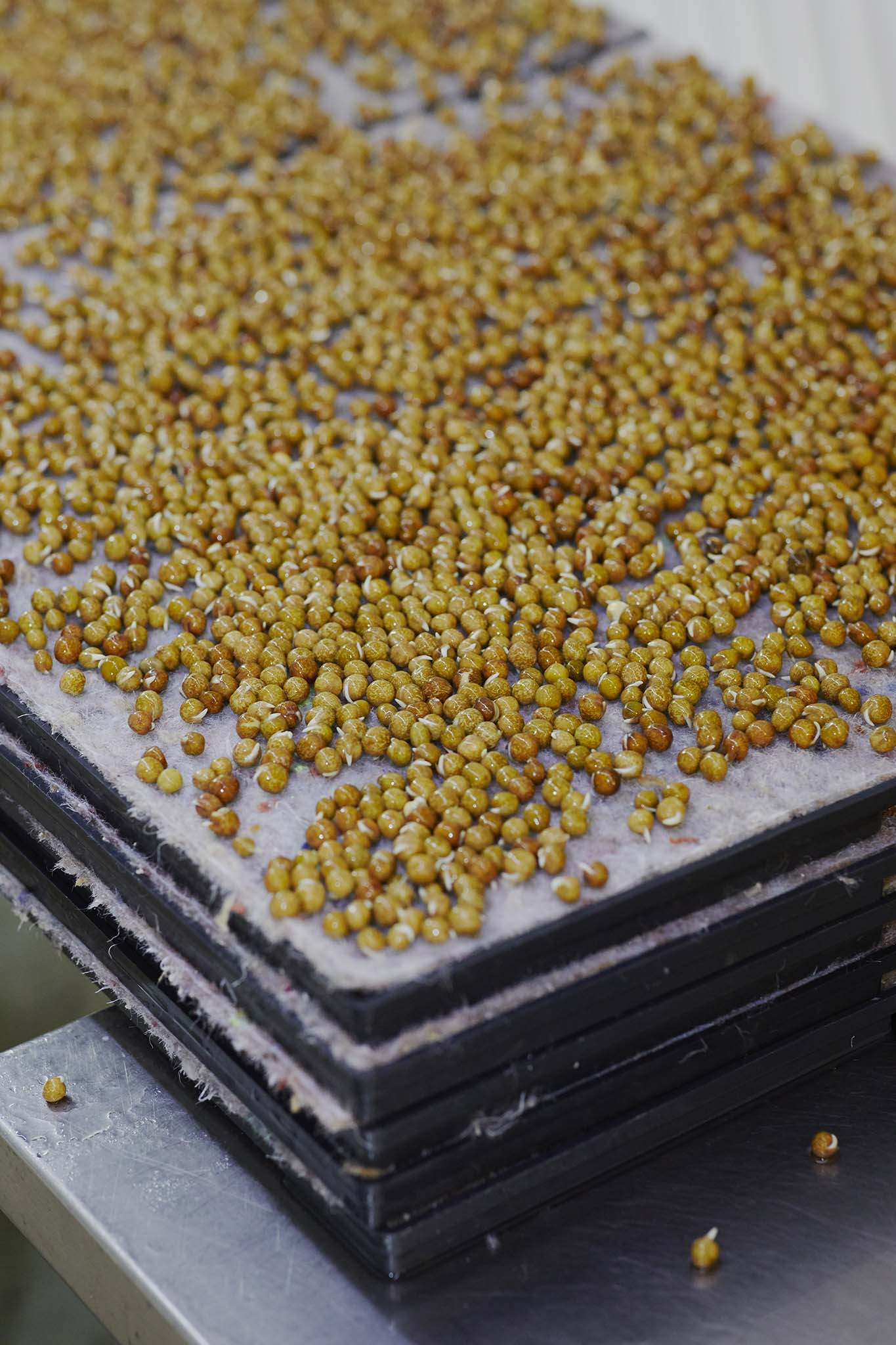
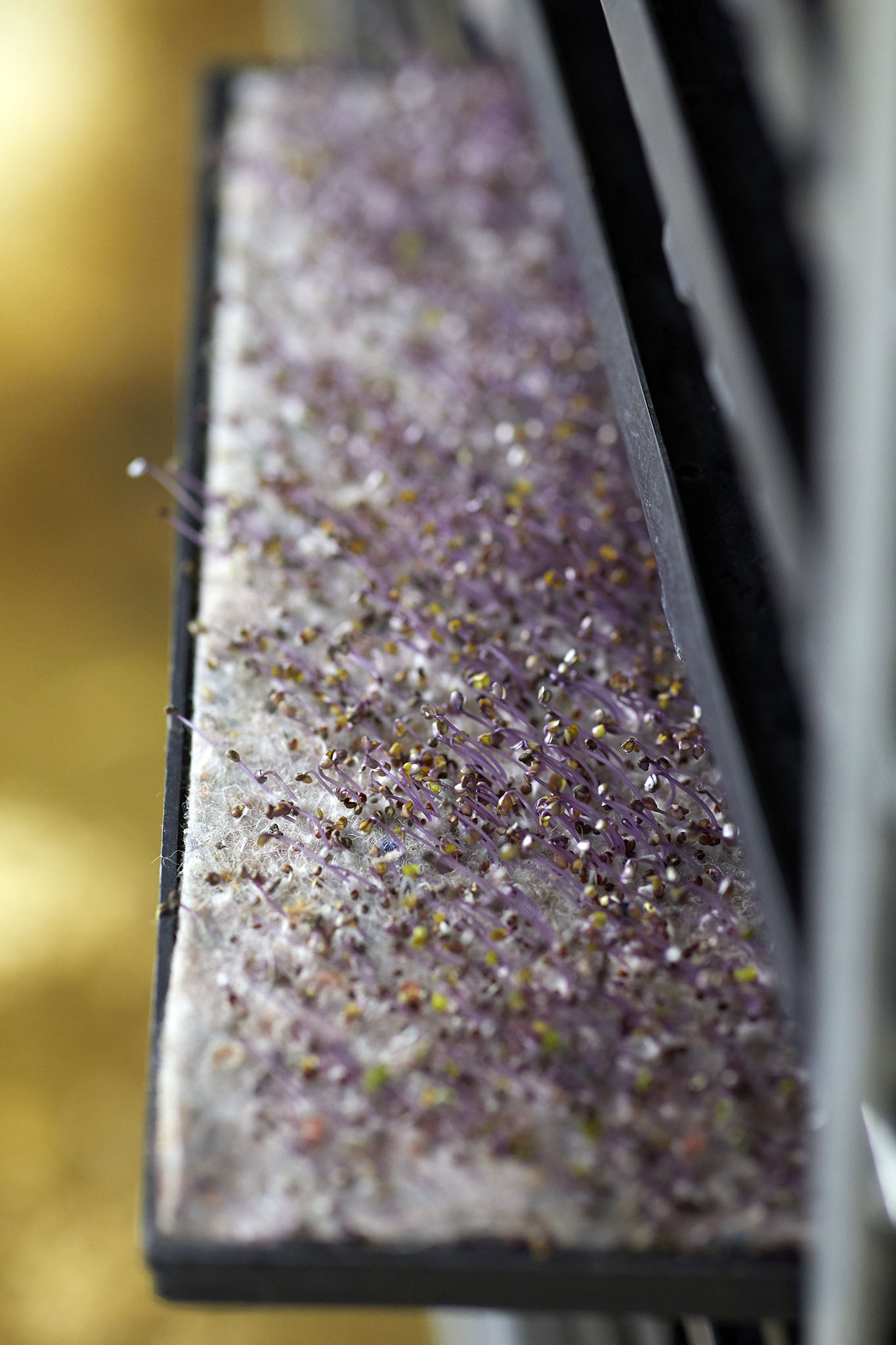
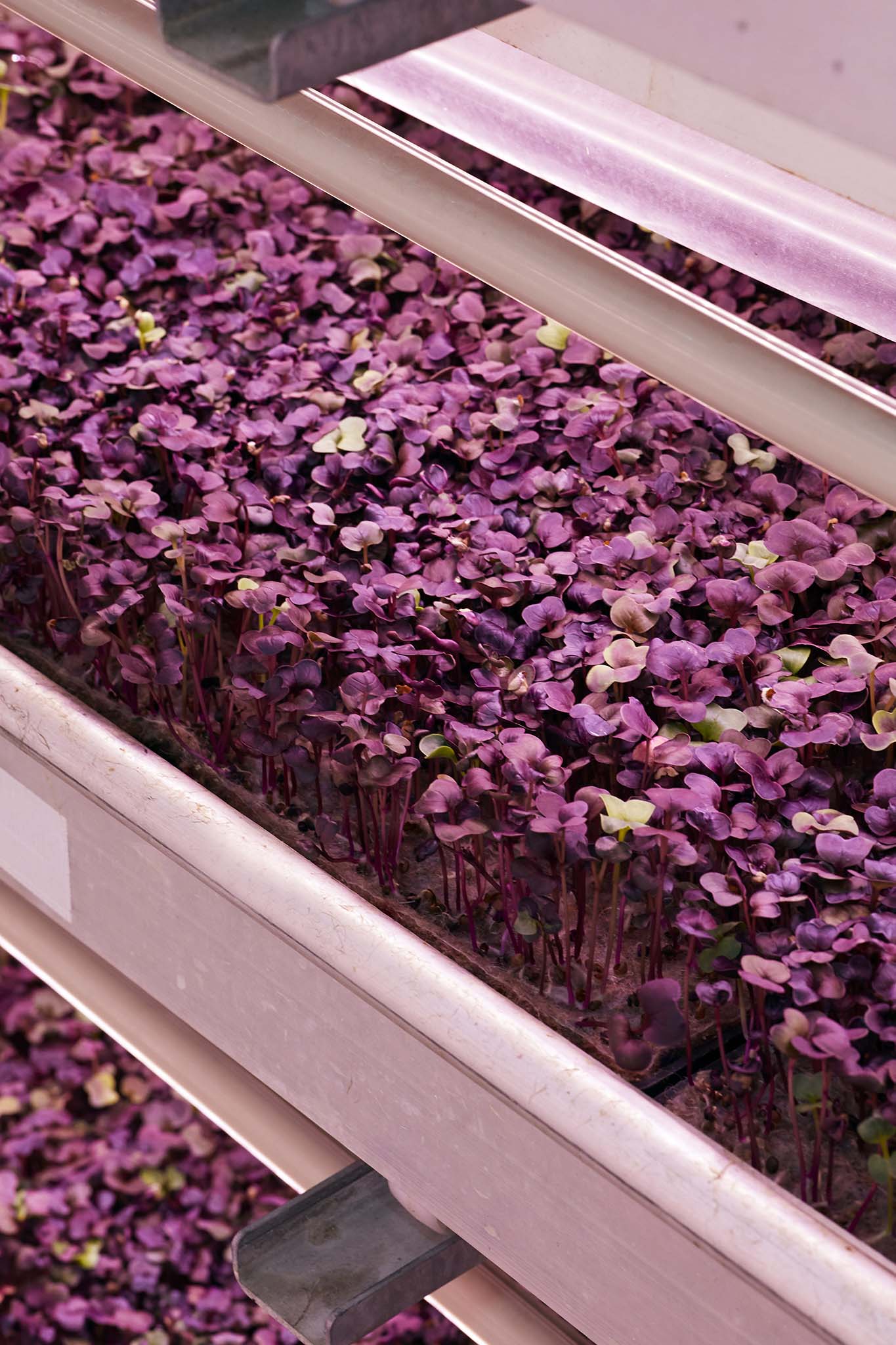
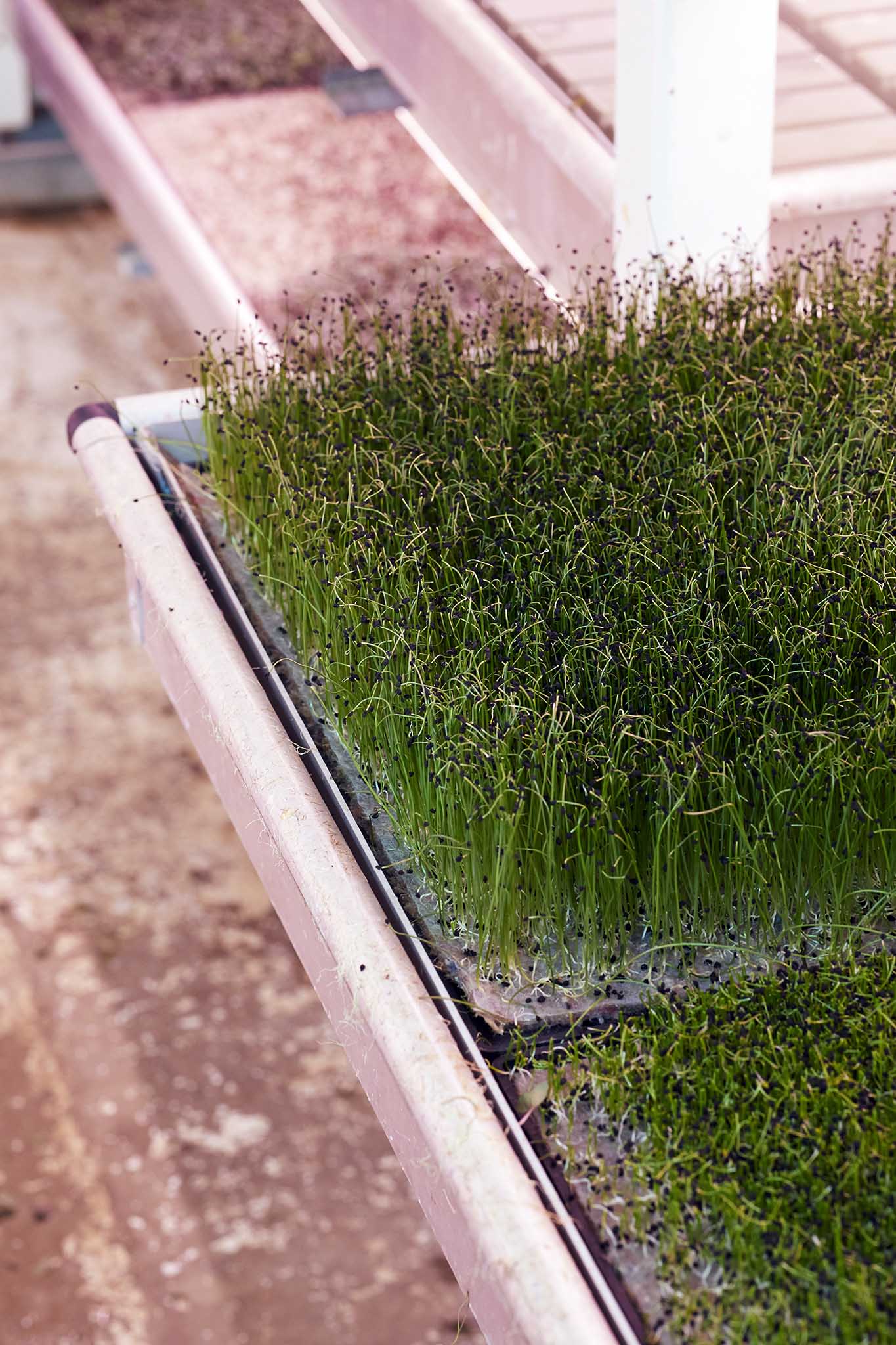
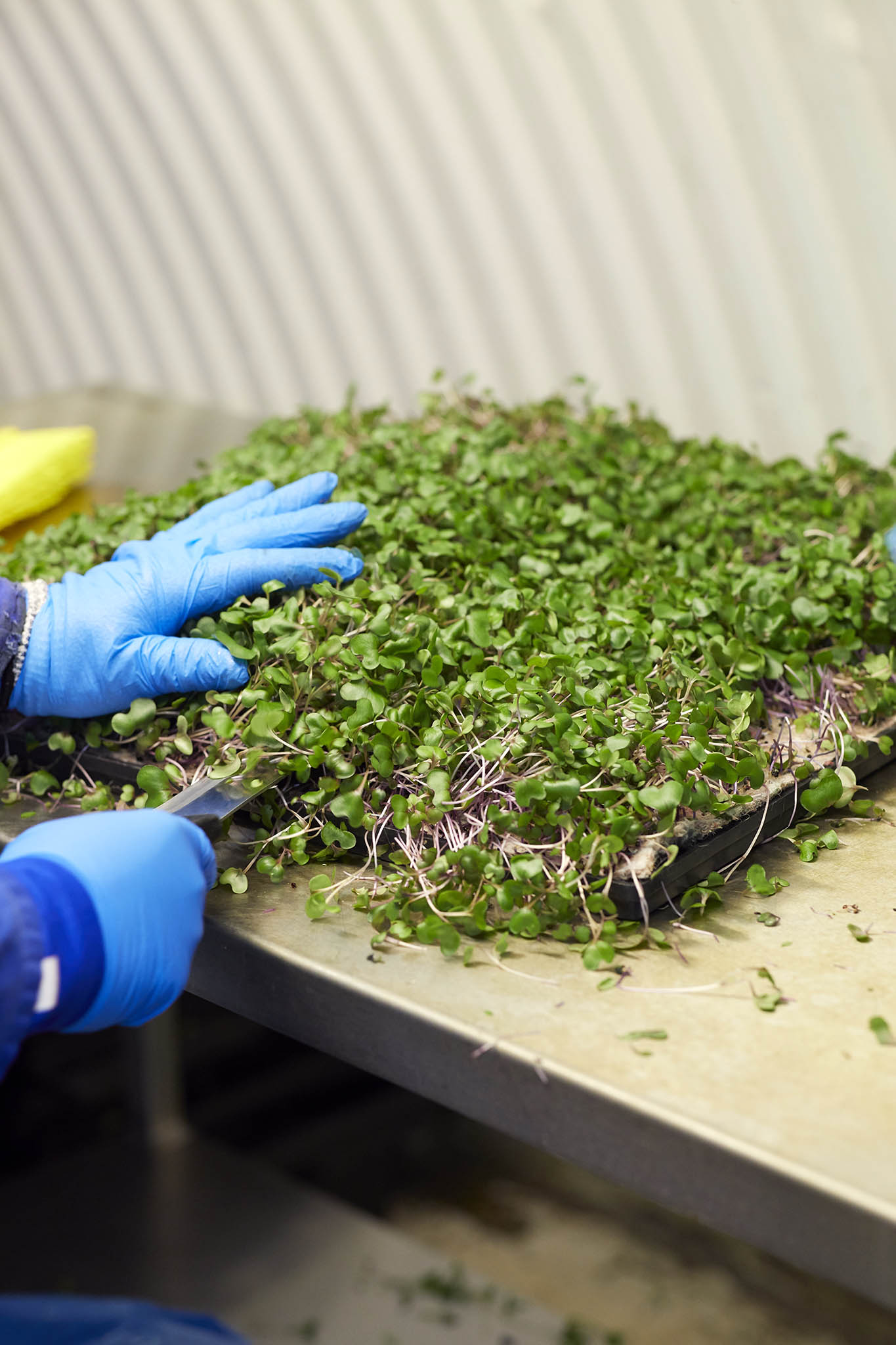
Growing Underground grows fresh microgreens and salad leaves in a converted World War II air raid shelter 33 metres beneath the streets of Clapham, using hydroponic systems and LED lighting to produce pesticide-free greens year-round. The company runs on 100% renewable energy and uses 70% less water than traditional farming.


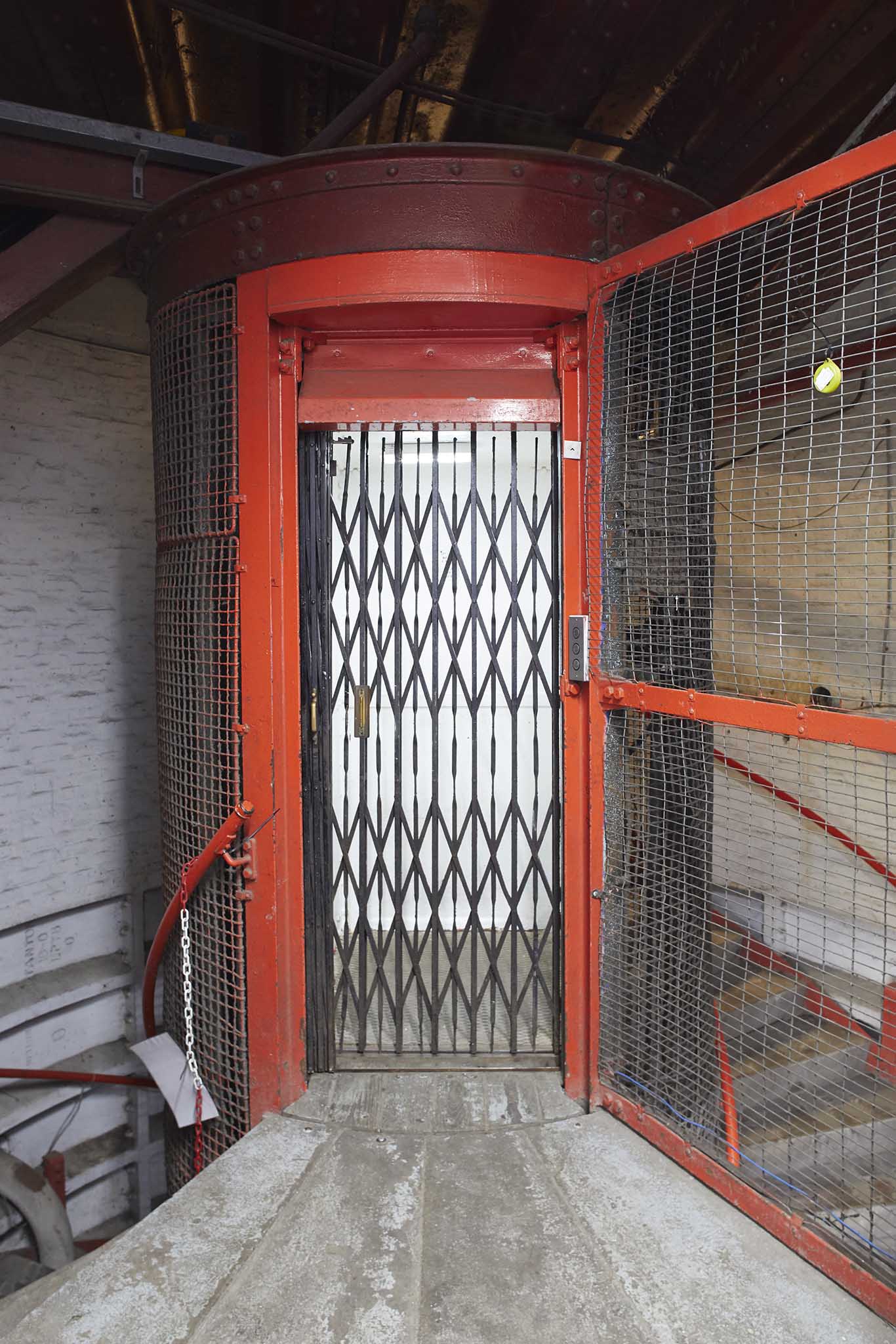
Co-founders Richard Ballard and Steve Dring decided that a deserted subterranean space beneath Clapham High Street was a perfect site to grow food while cutting the CO2 used in transport and supply. The site itself is one of eight deep-level bomb shelters built around London during World War II, and the Clapham shelter was constructed between 1940 and 1942, at one point housing 8,000 troops in a labyrinth of tunnels stretching more than two miles, over 100 feet underground. The shelters also served as temporary accommodation for post-war Caribbean migrants who arrived on the Empire Windrush. Thirty-three metres below Clapham High Street, the farm has been described as the world's first underground farm, shaping the future of urban farming.
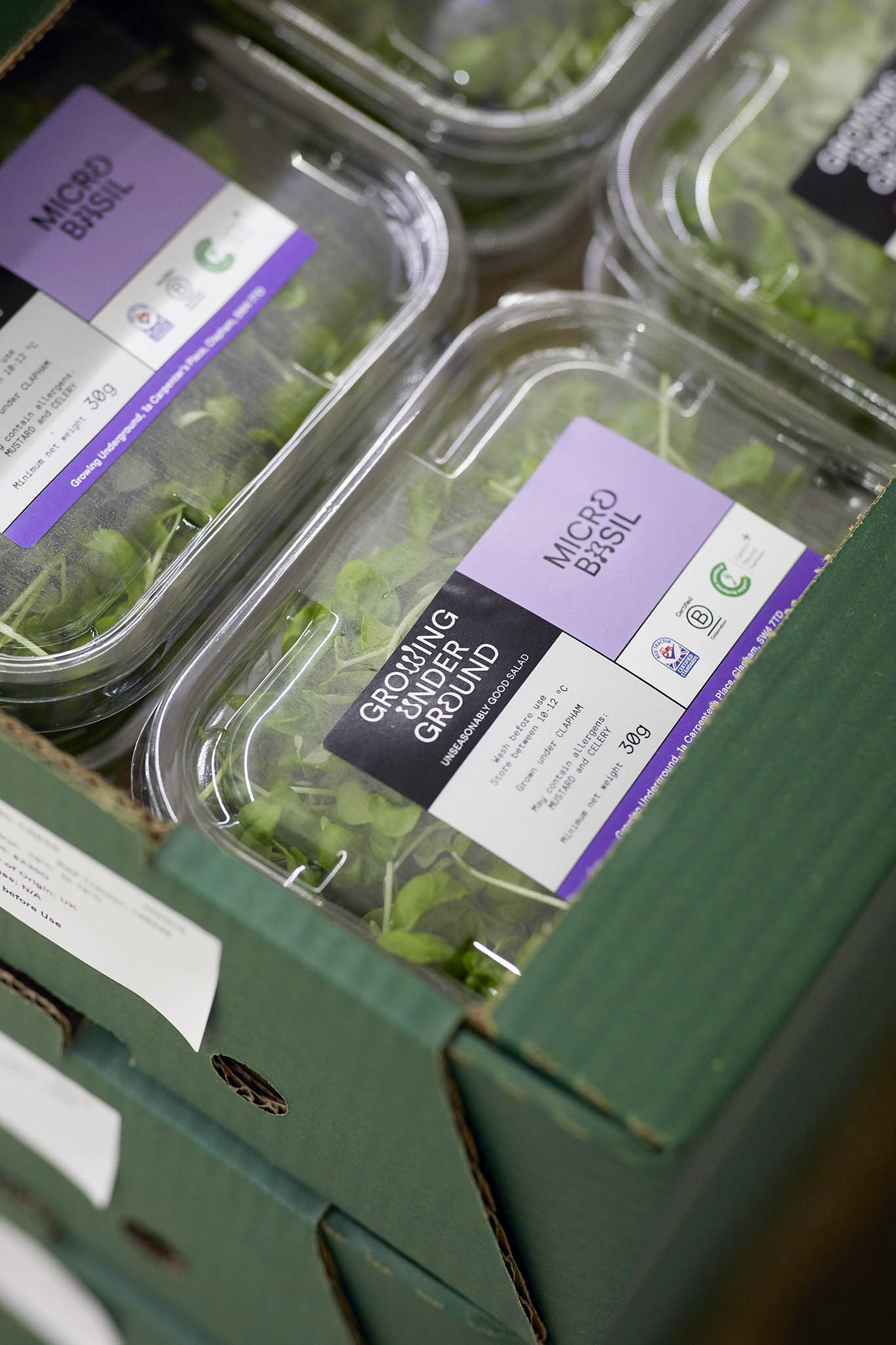
The microgreens and salad leaves are grown using hydroponic systems and LED technology and contain up to ninety times more nutrients than when they are fully grown, according to Growing Underground. By 2022 the company was aiming to produce over 60 tonnes of produce a year from a 528m² growing area, roughly the size of a tennis court, enough to meet the yearly lettuce consumption of 10,000 adults, and the site can produce up to 1,600 punnets of herbs and micro-plants a day, supplying retailers such as M&S and Tesco.
"This was quite an experience descending deep underground, beneath busy Clapham - you would never know this hydroponics farm was there. It seems a very clever way of producing nutritious food in cities, requiring far less resources and 'food miles' than traditional farming. It will be interesting to see if other cities follow suit." Carmel King photographed Growing Underground in February 2021 for Made in London.