




Supporting British Industry & Craftsmanship

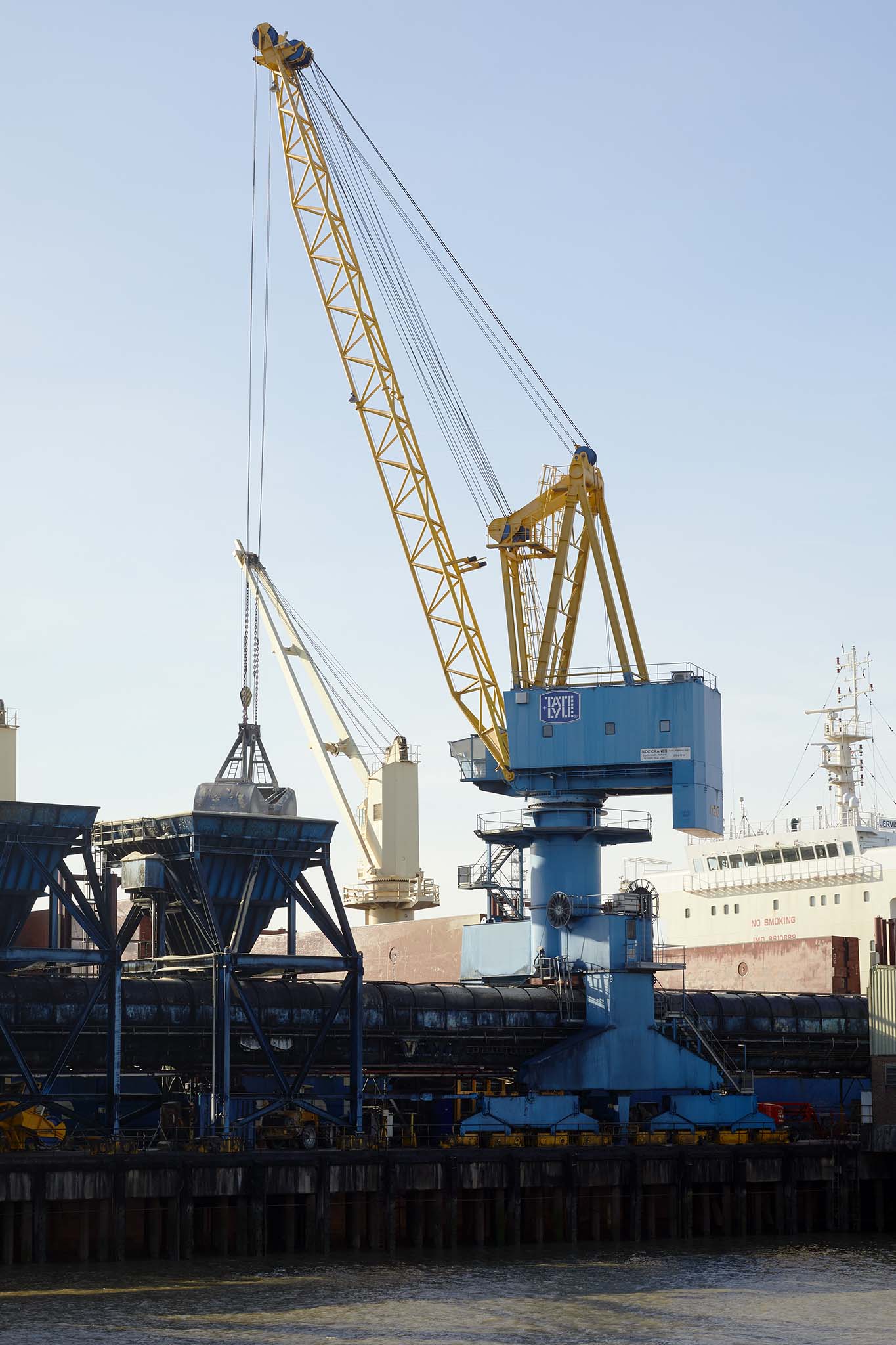
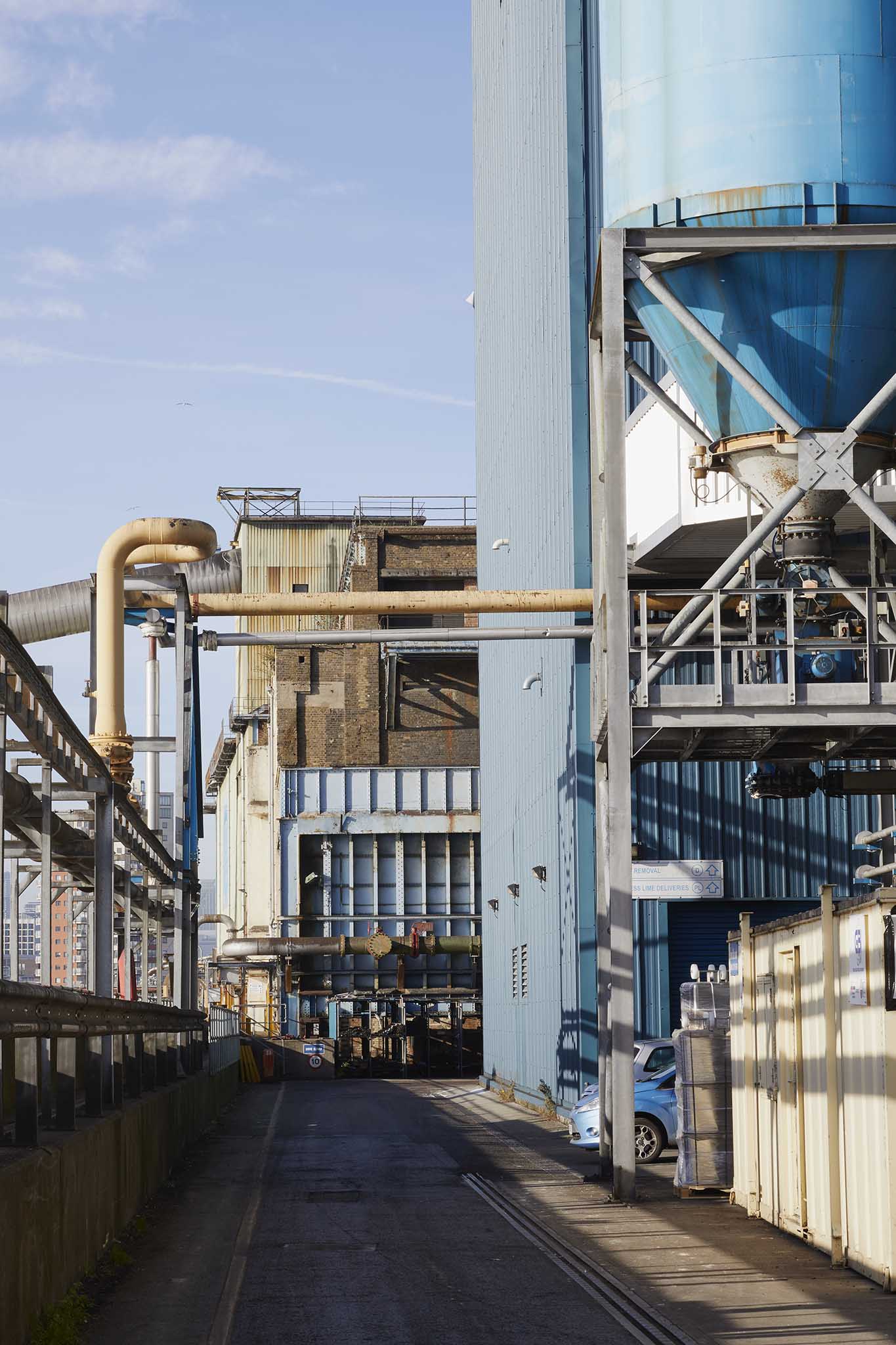
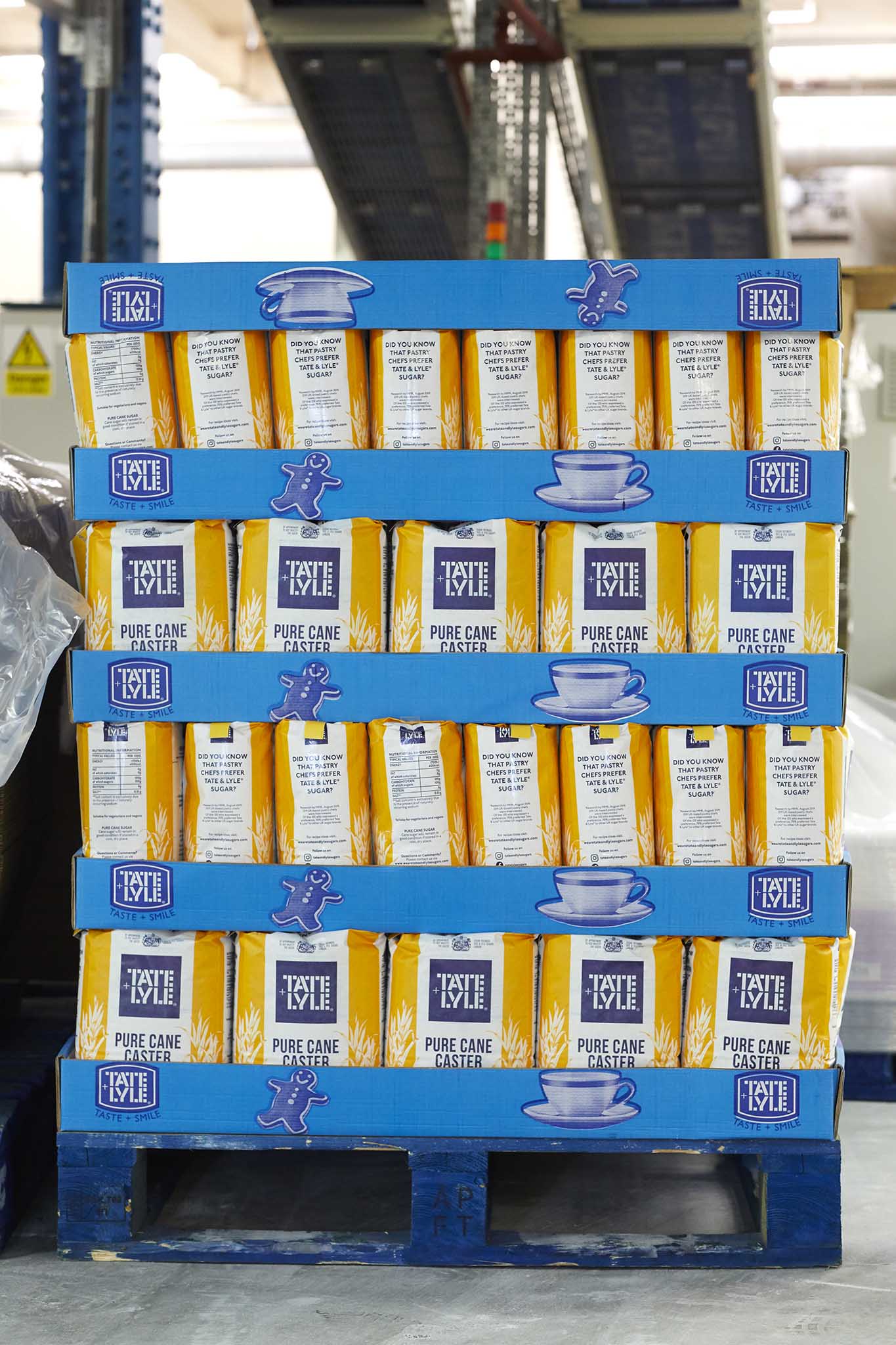
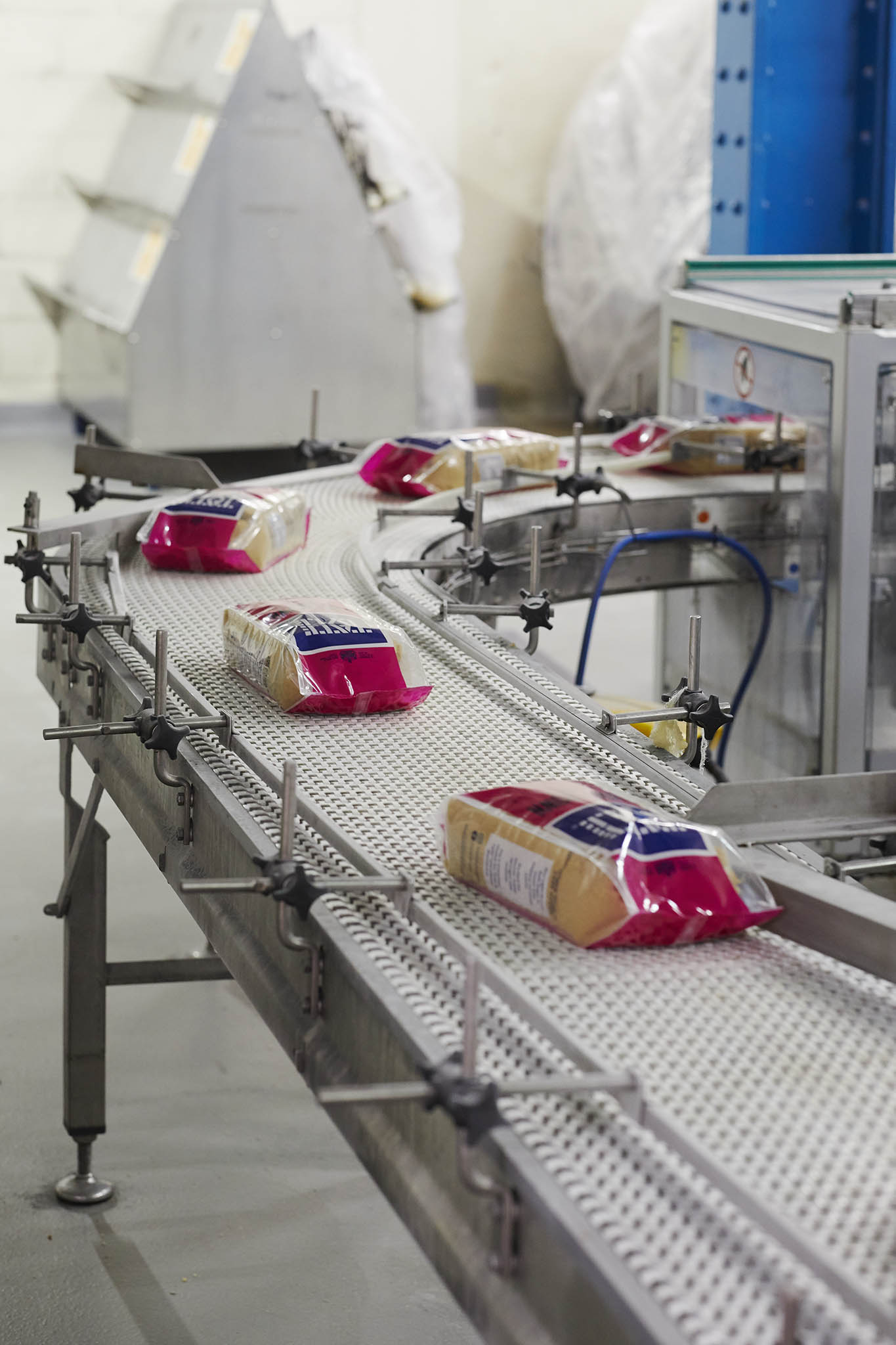
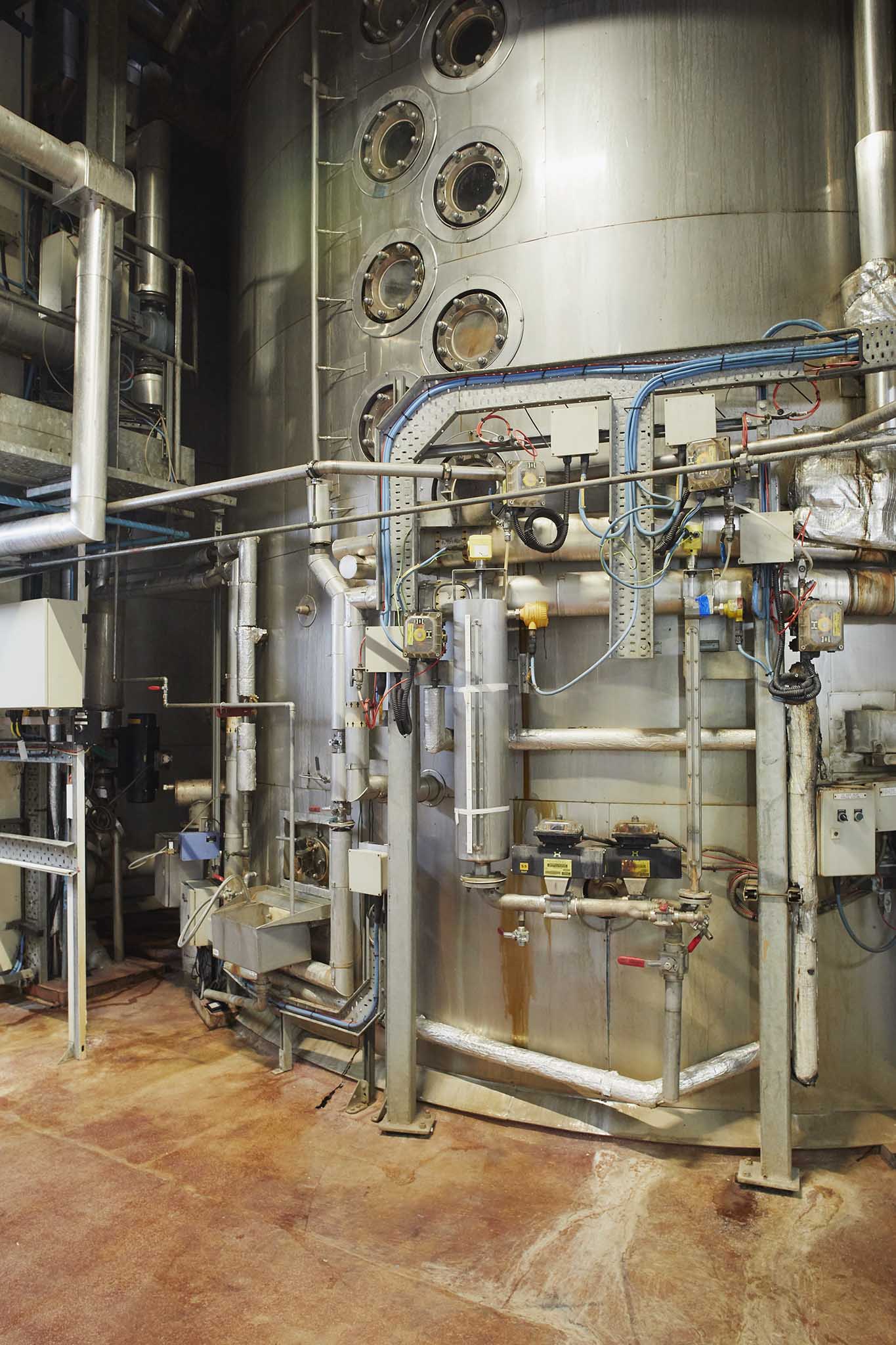
In the 1930s Tate and Lyle Sugars was operating the world's biggest cane-sugar refinery, staffed by 8,000 people. Today mechanisation has led to the elimination of of many repetitive jobs and the headcount is less than 10% of that workforce but the average length of service is 27 years.


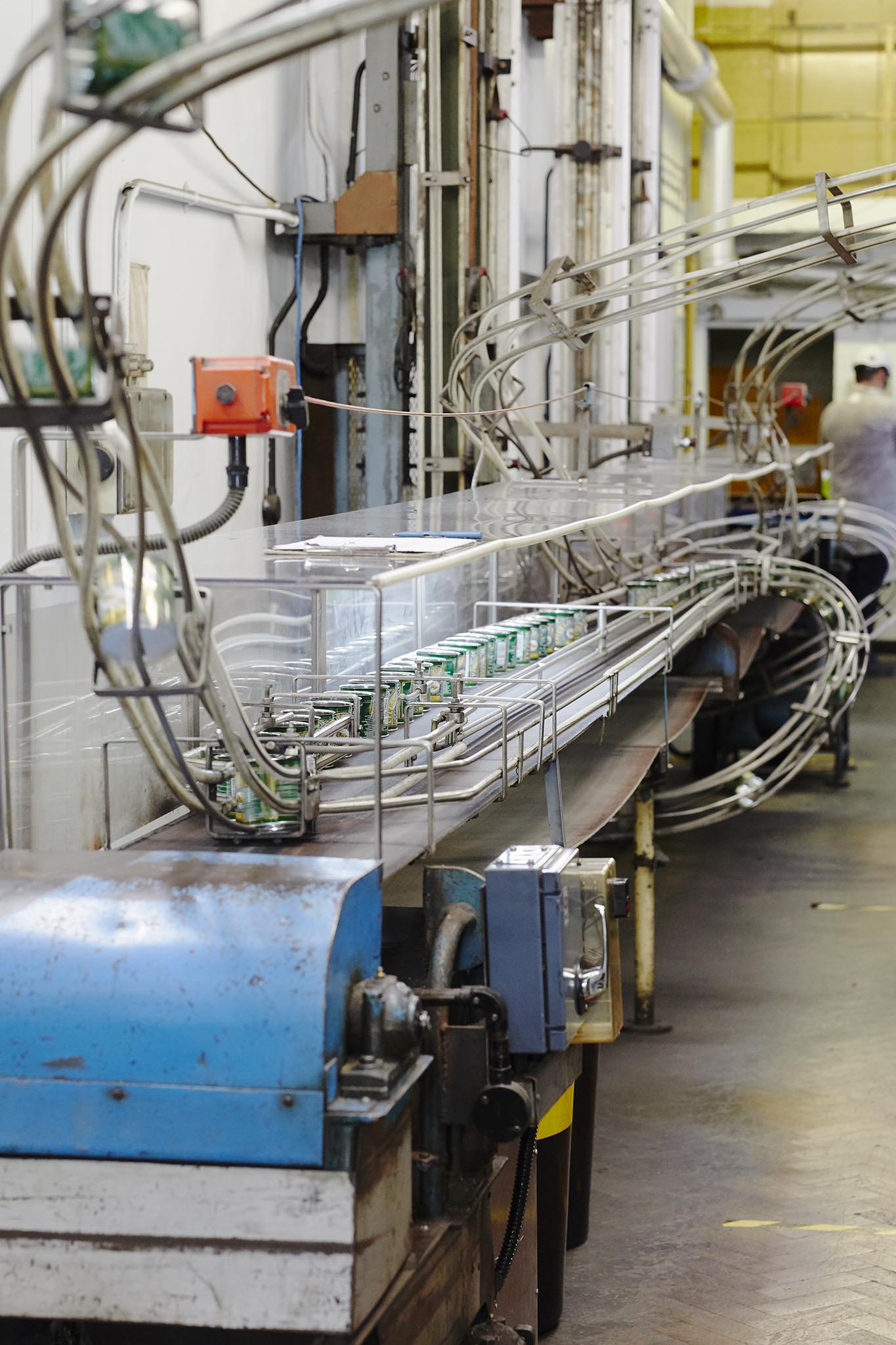
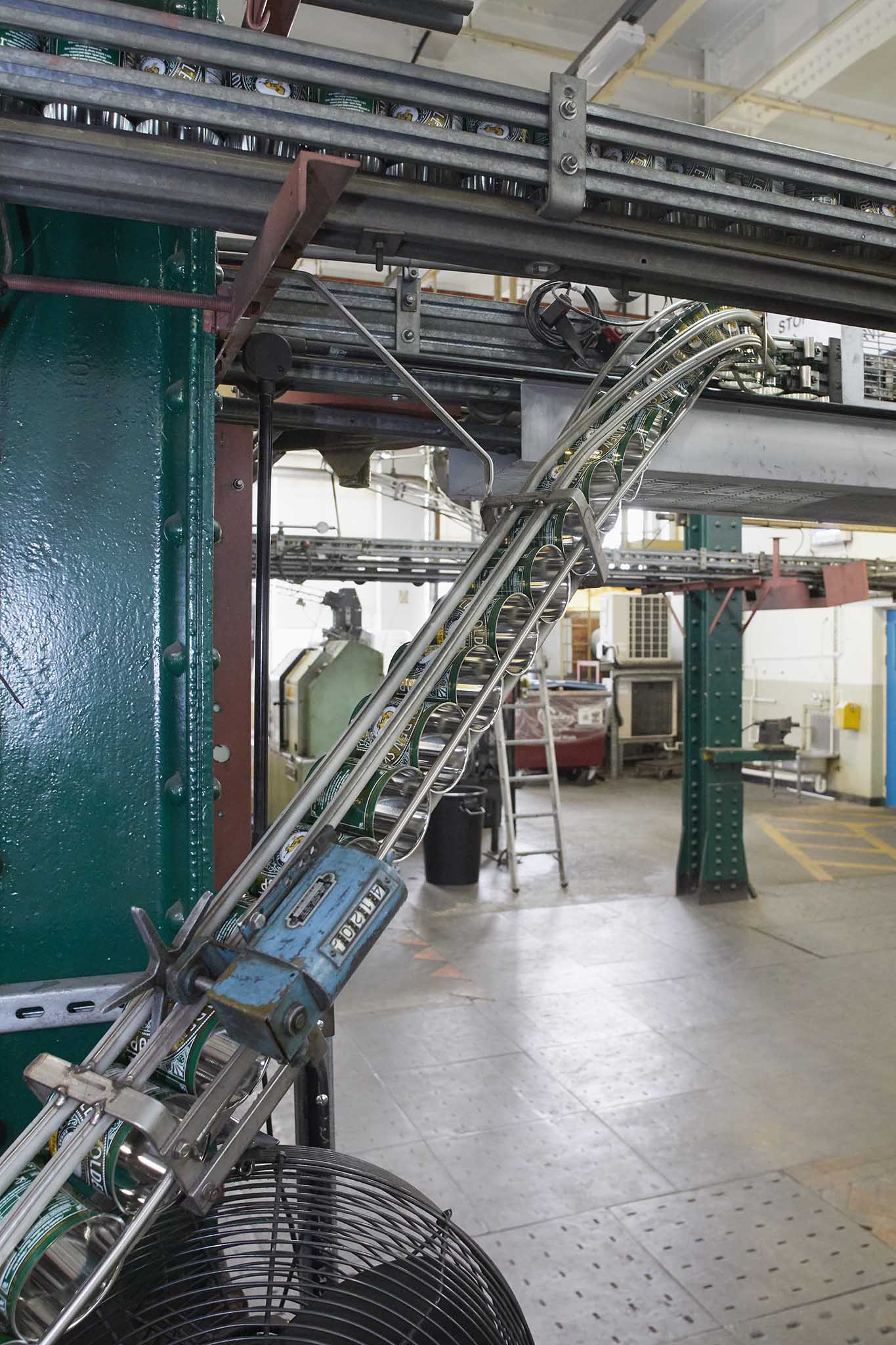
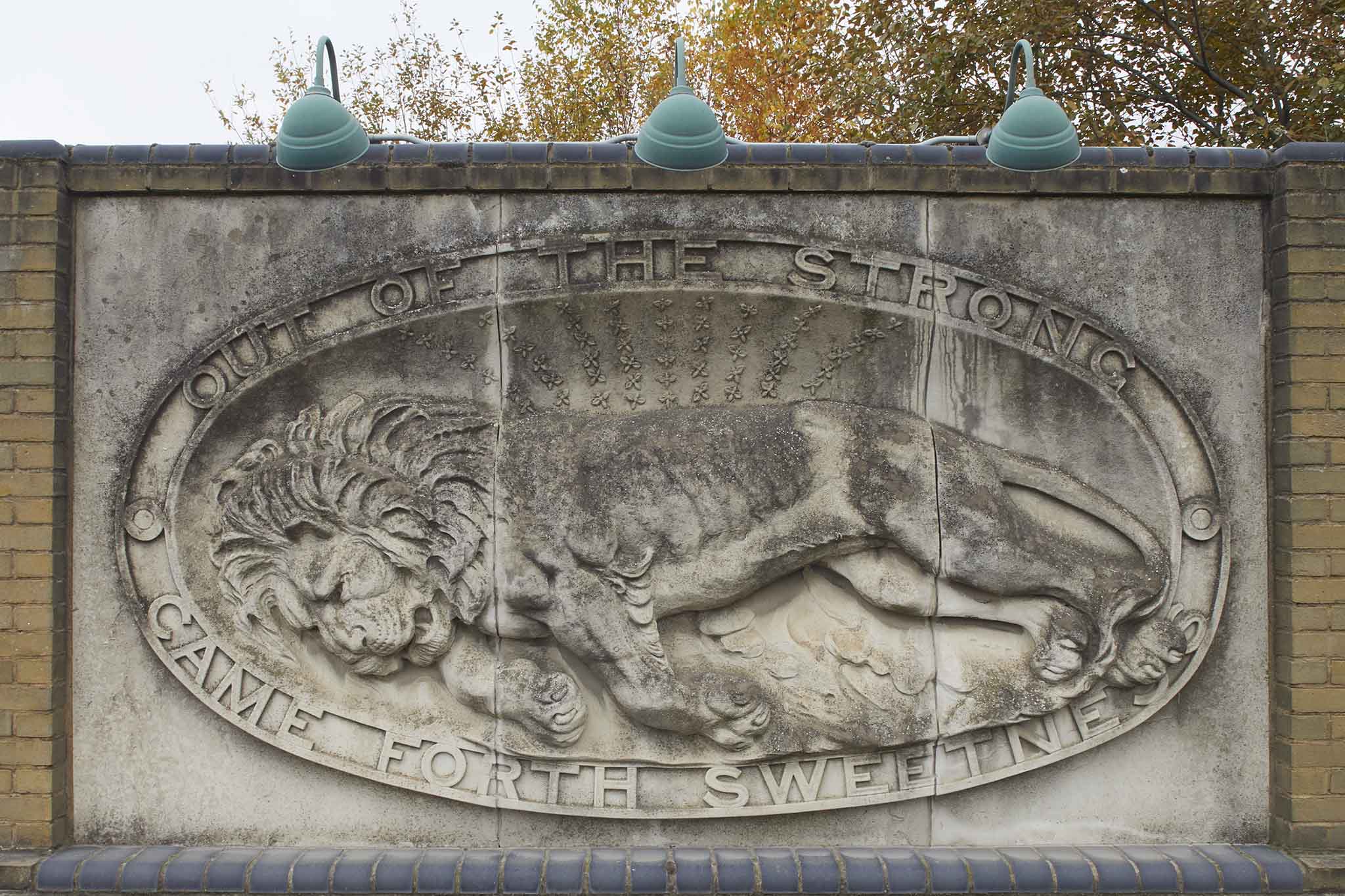
These days the refinery makes around half a million tonnes of sugar a year. At high tide, ships from locations including Fiji and Brazil each deliver 25,000-40,000 tonnes of raw cane sugar, which has been boiled into rough brown crystals. The crystals are scooped off the ship and transferred to the raw storage shed by long conveyor belts that end at roof level, and then the sugar pours down to form a colossal 60,000-tonne sugar mountain. Down the road at the syrup factory, cans and plastic bottles carrying the original image of Samson's 'lions and bees' from the Old Testament story, are whizzed overhead along channels before being filled with syrup. The biggest challenge for these sites is the regeneration going on around them, as residential developments do not always sit comfortably with noisy, busy factories. However, Tate and Lyle has no plans to relocate as it would be too costly to rebuild elsewhere.
"I will never forget walking into the shed and witnessing the 60,000-tonne sugar mountain. It was difficult to capture the sheer scale of it - apparently enough to feed our nation for 6 days. Other nations have an even sweeter tooth than ours apparently." Carmel King photographed Tate and Lyle Sugars in November 2011 for Made in London.