




Supporting British Industry & Craftsmanship
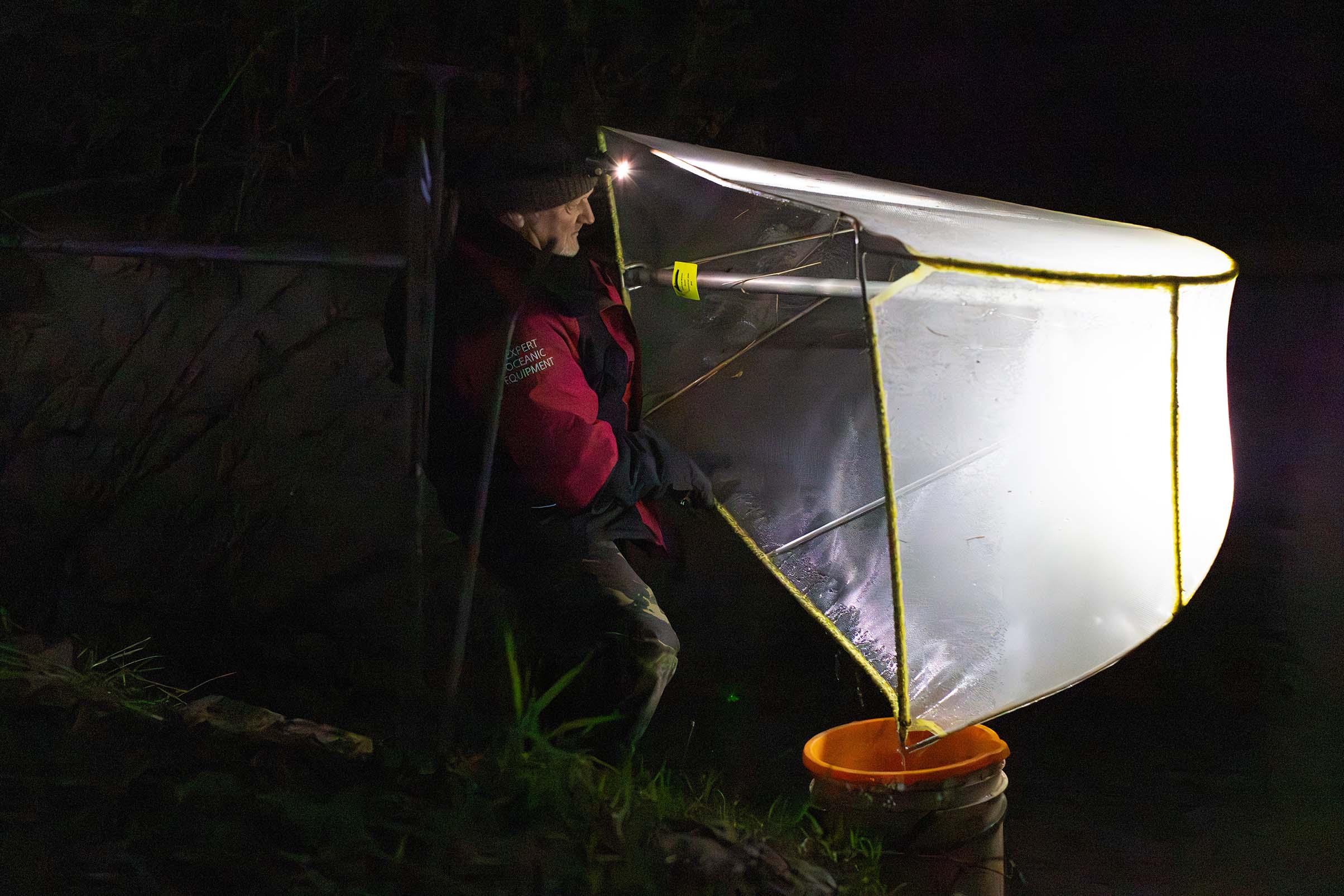
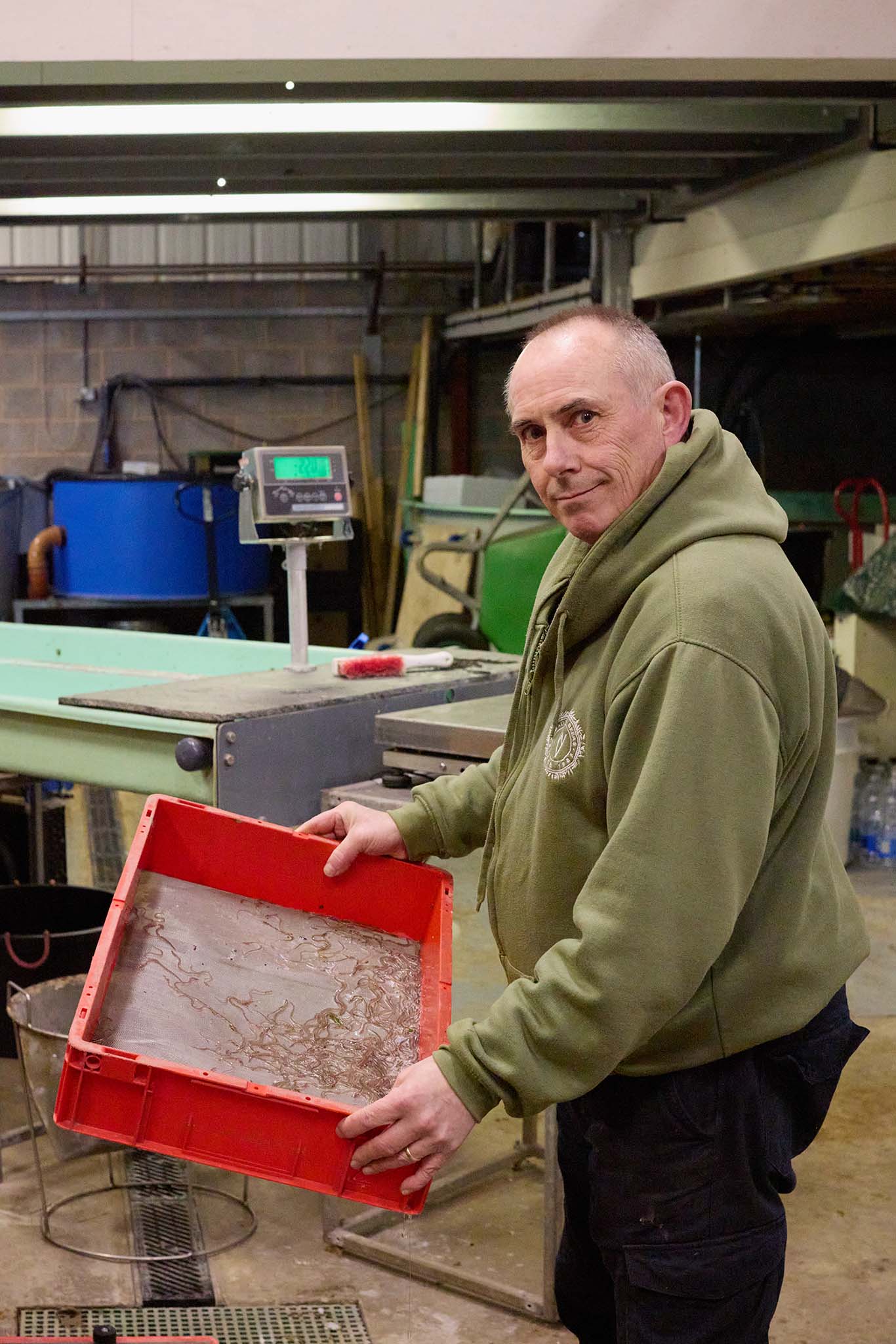
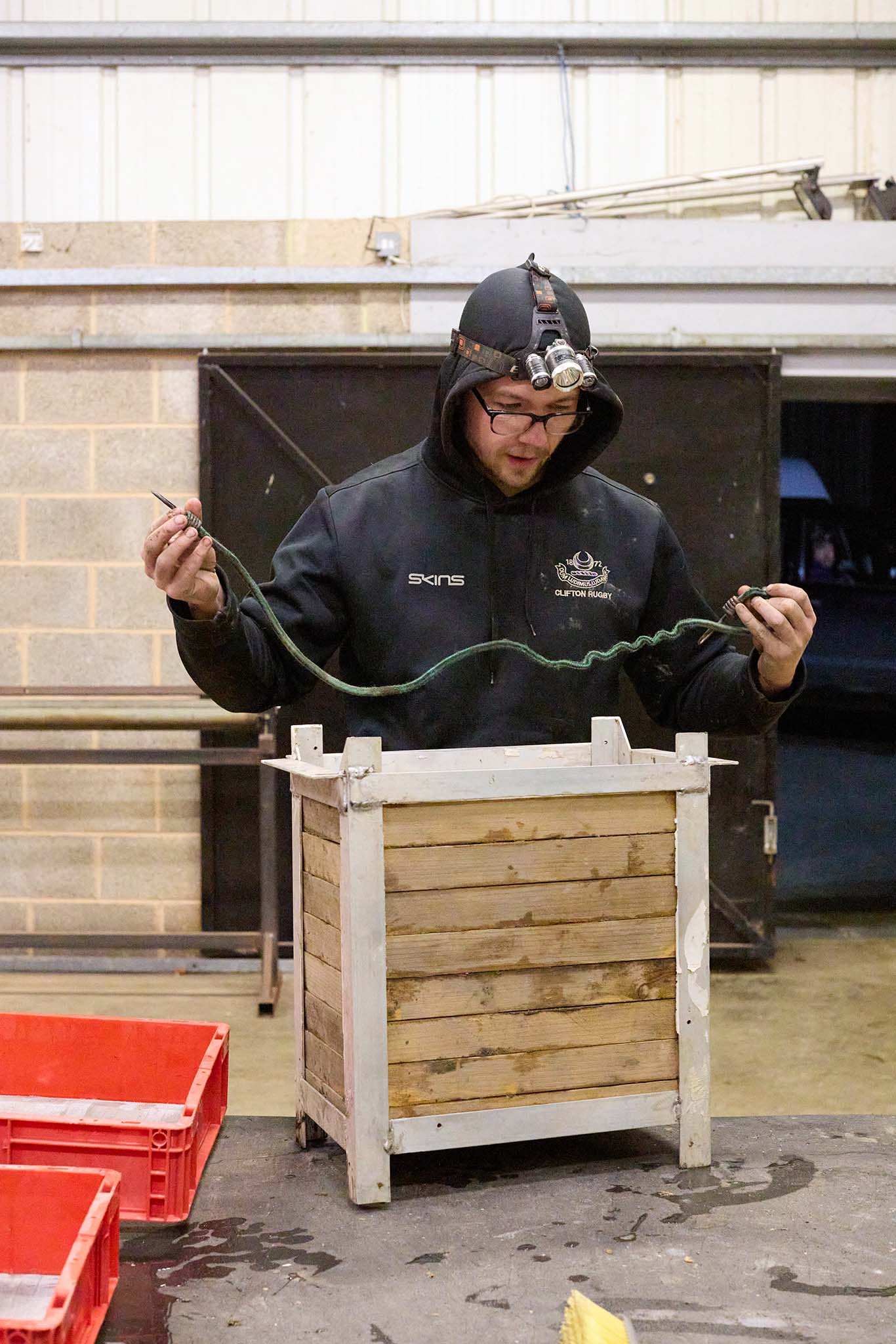
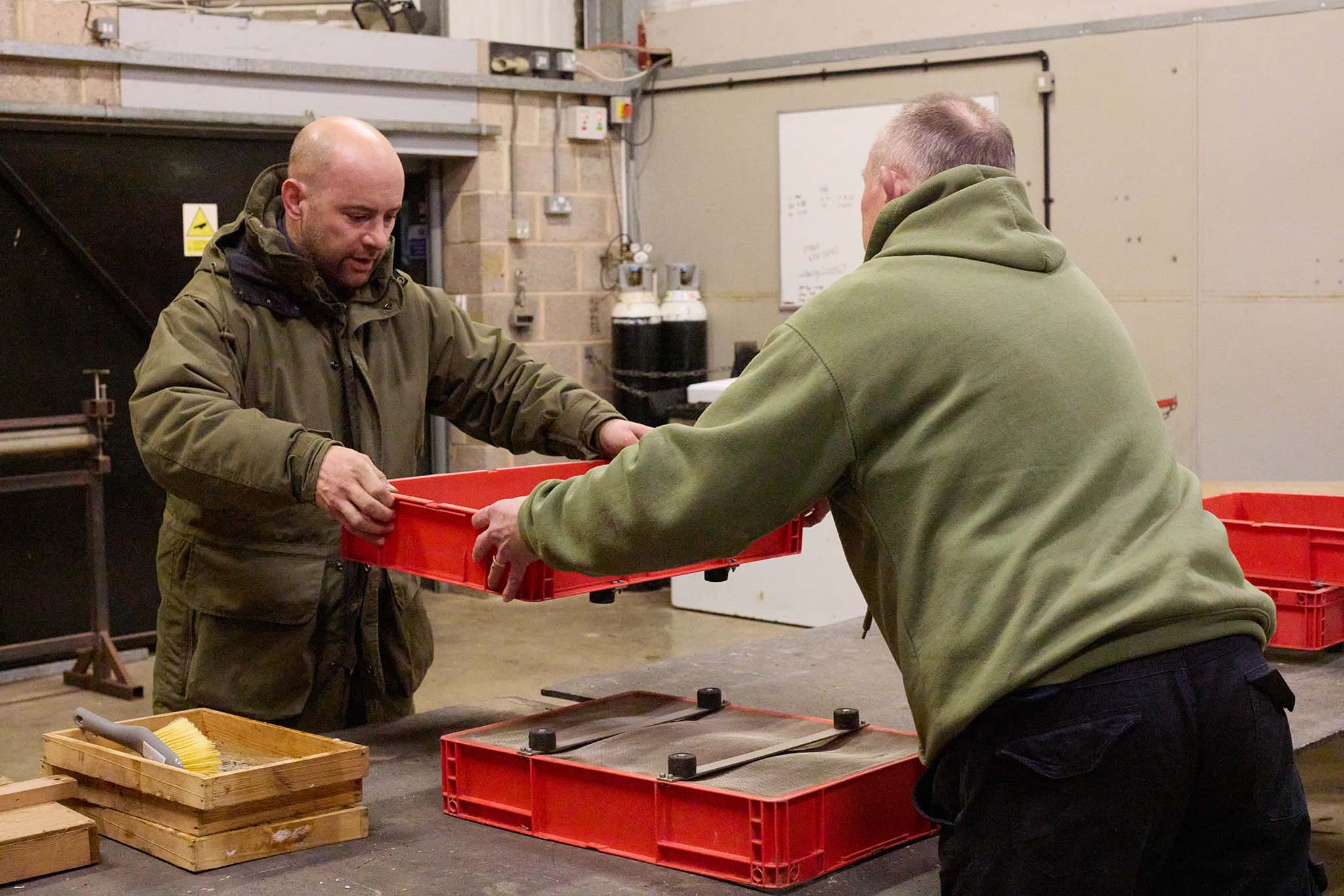
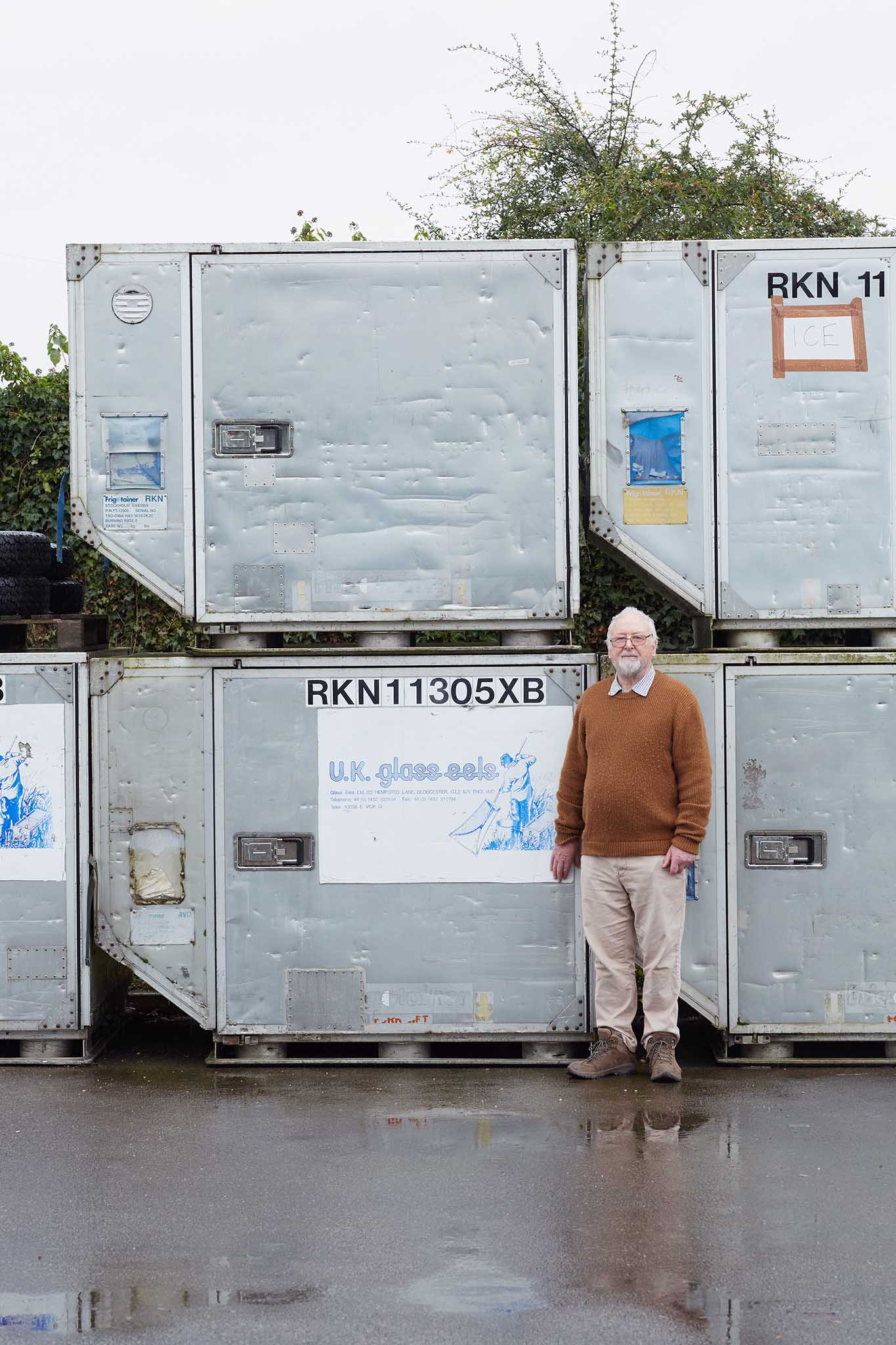
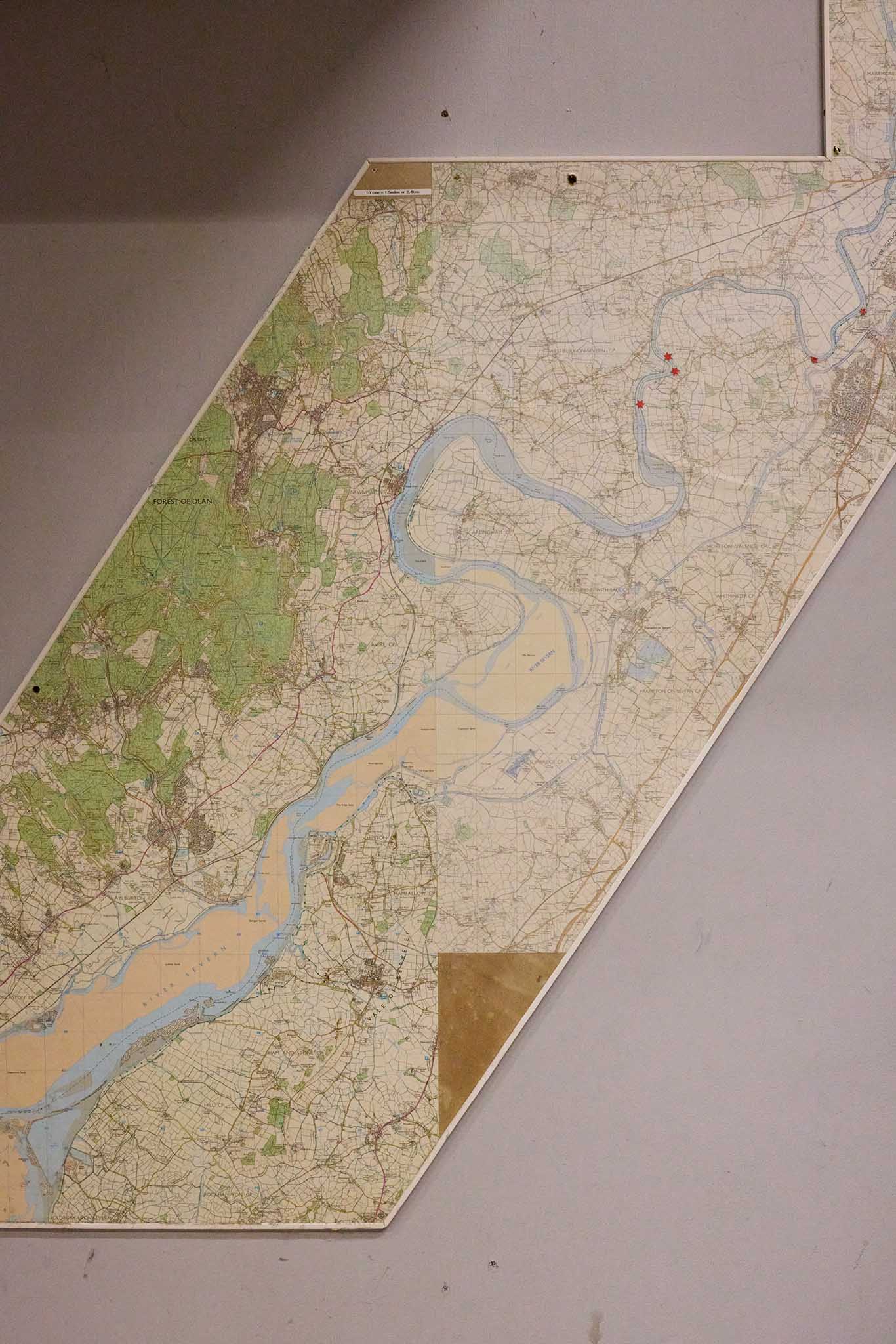
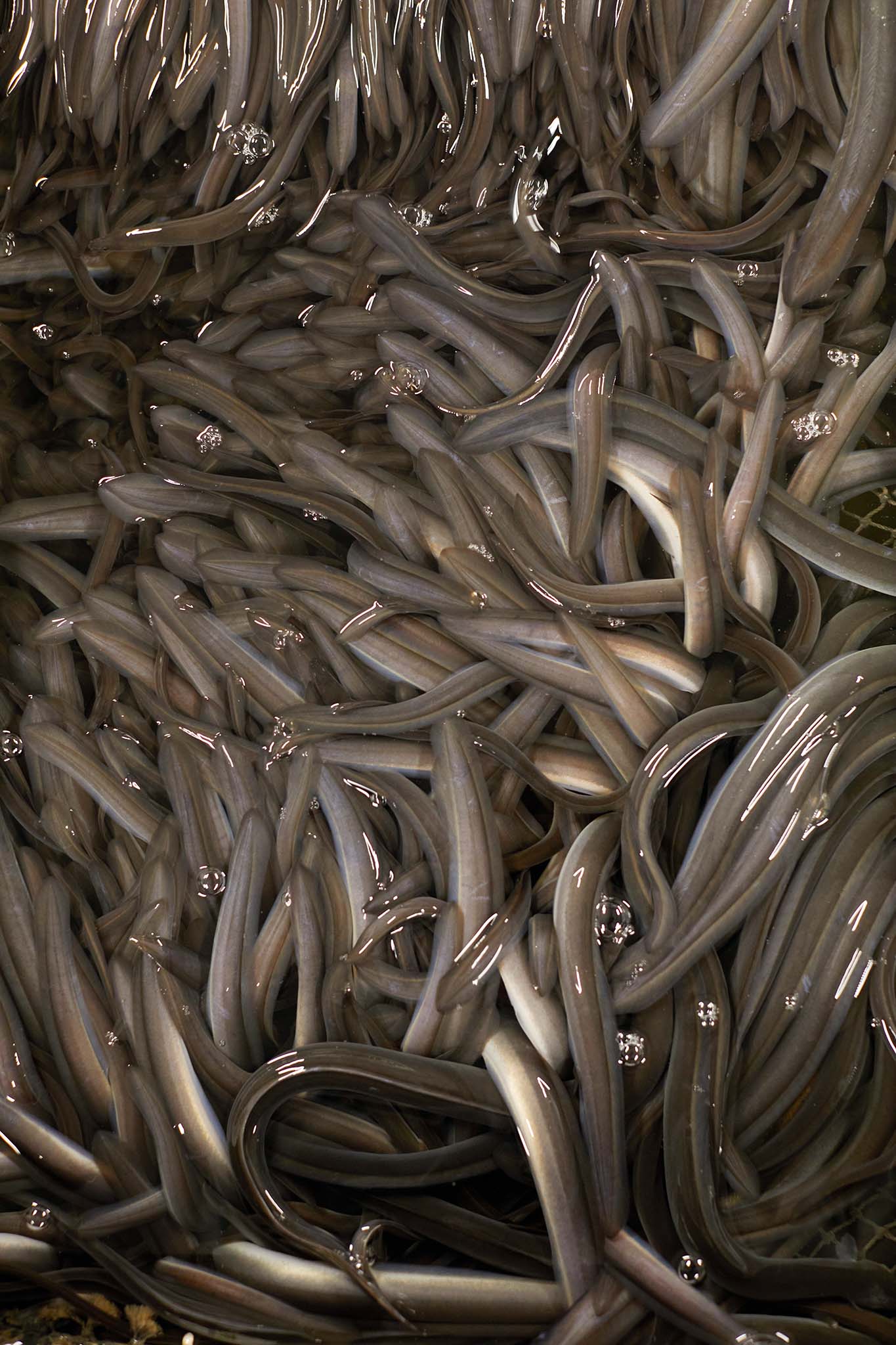
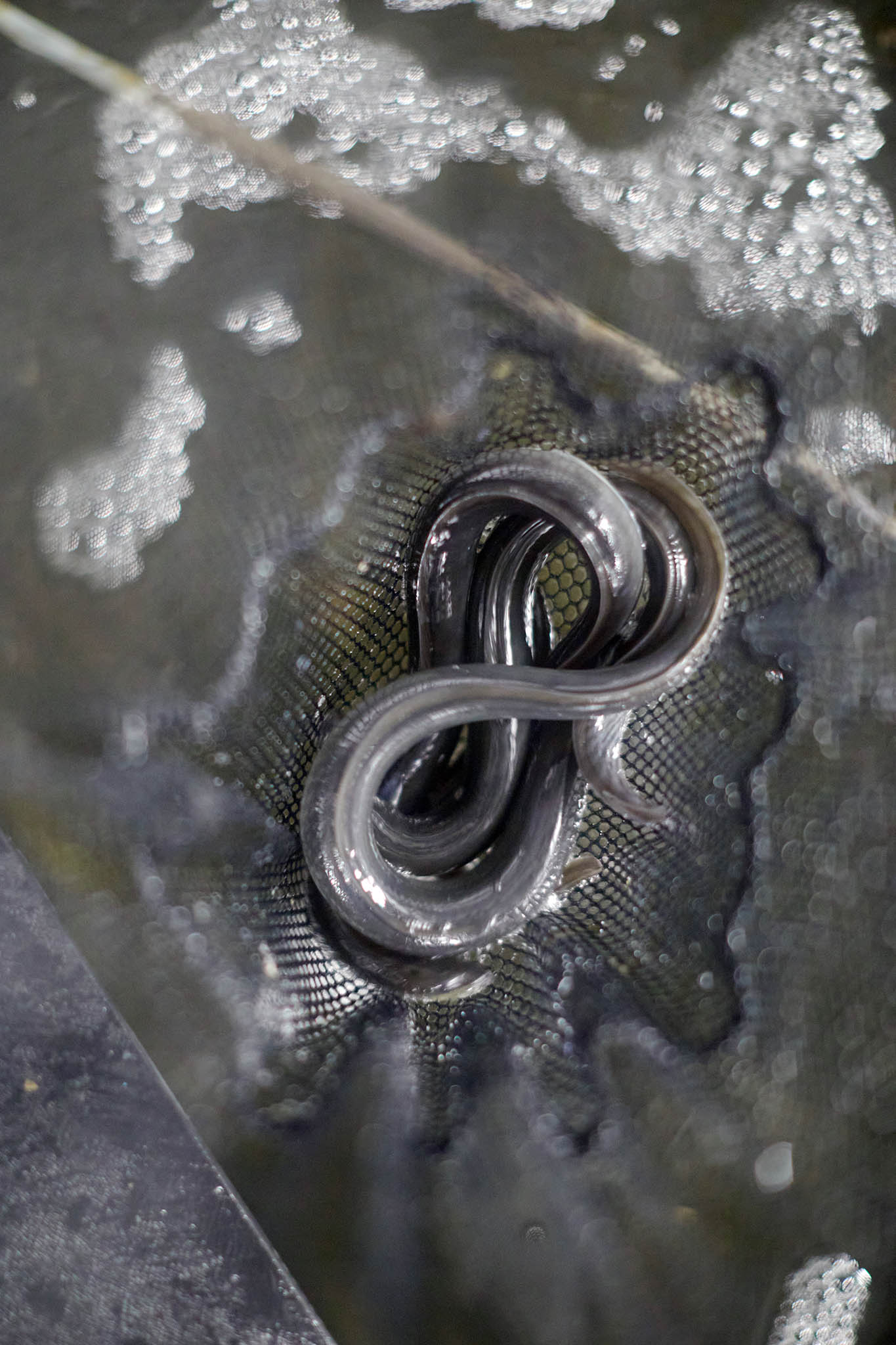
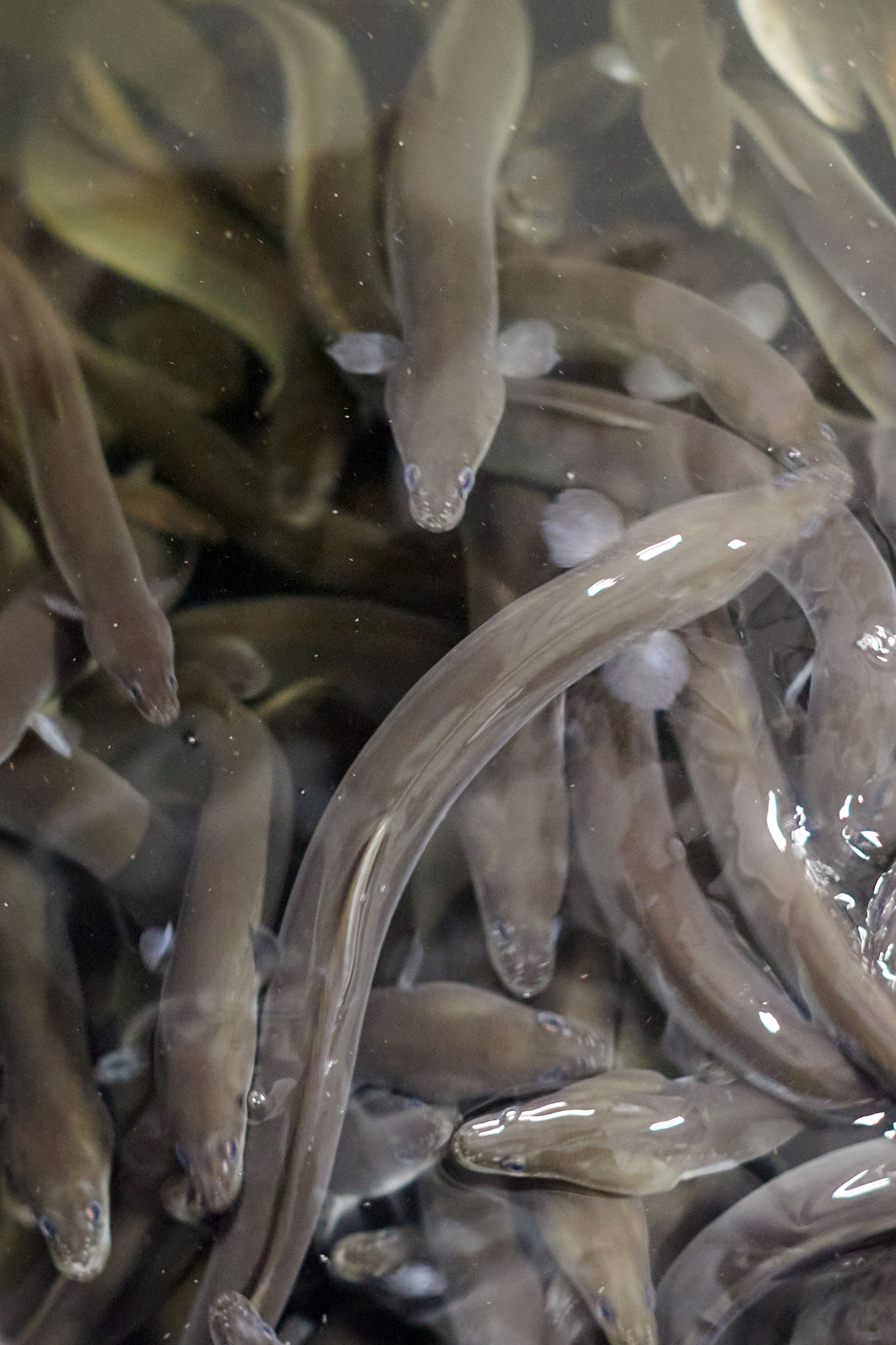
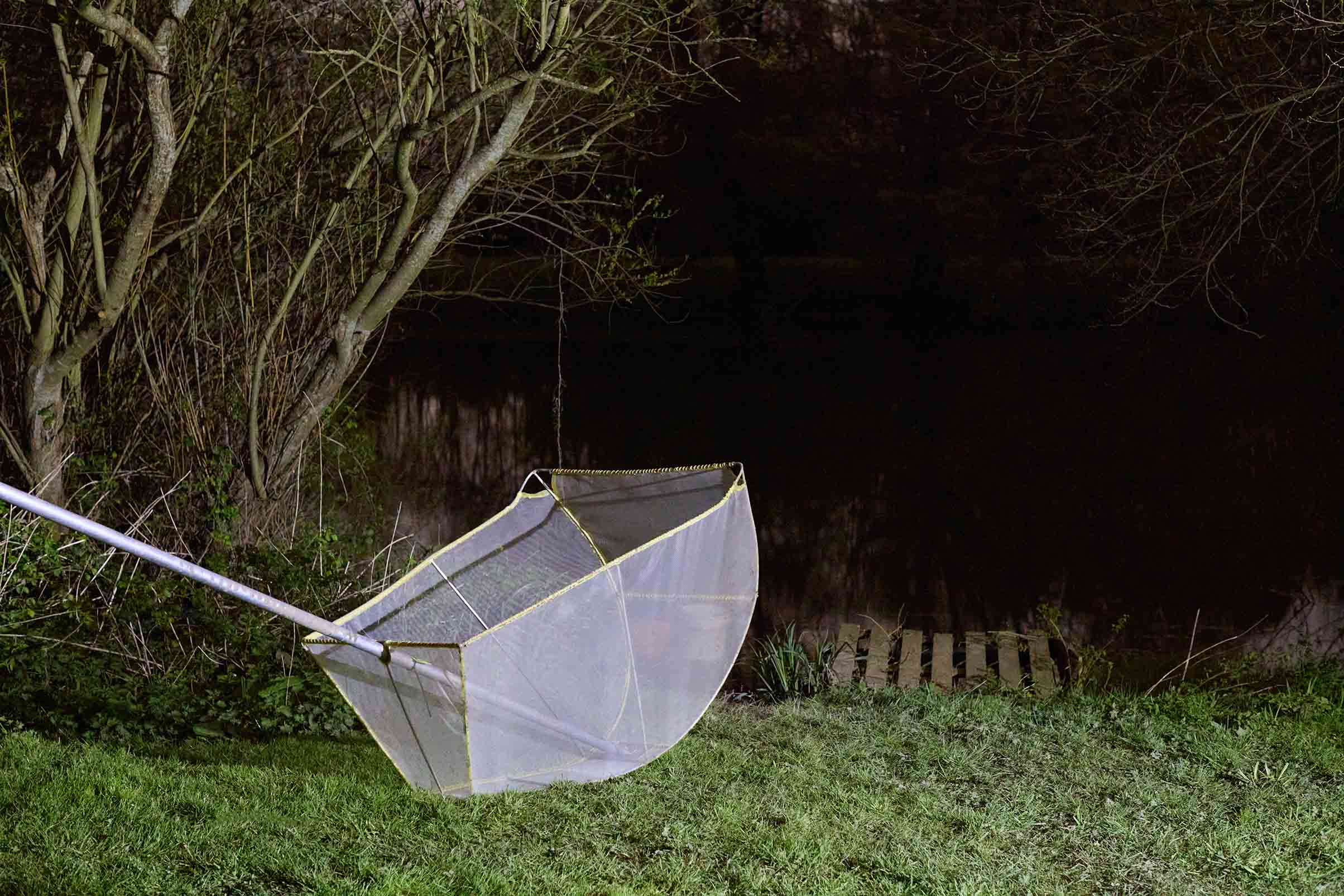
UK Glass Eels started in the 1970s on a barge in the Gloucester Docks, moving to its current site in Over Causeway in 2012. UK Glass Eels buys eels from local fishermen who catch them using hand nets, the only legal method in the UK. Prior to Brexit, exports of glass eels from England to Europe and Northern Ireland averaged 4.75 tonnes a year, 90% of which came from the River Severn and Parrett.
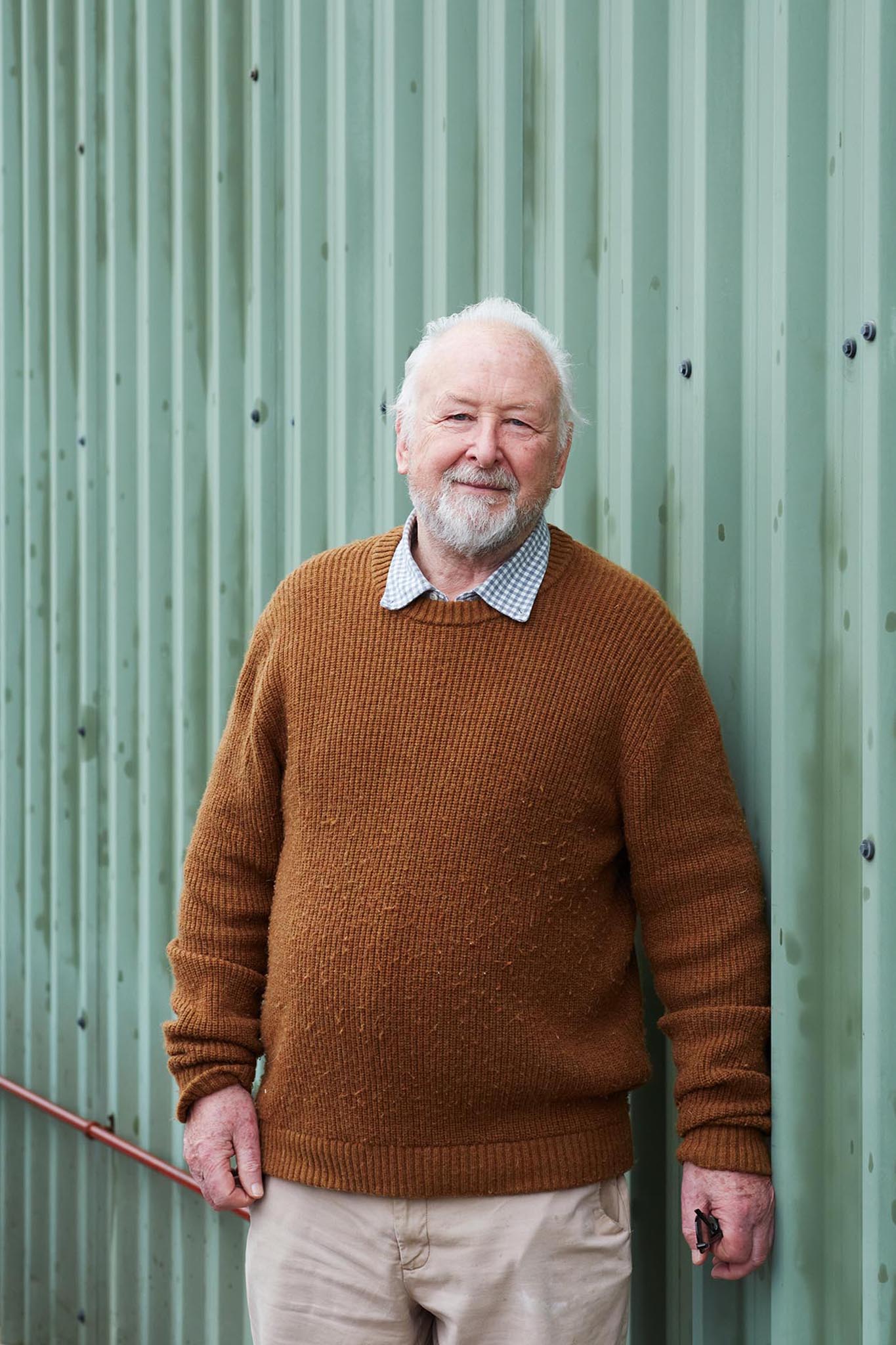
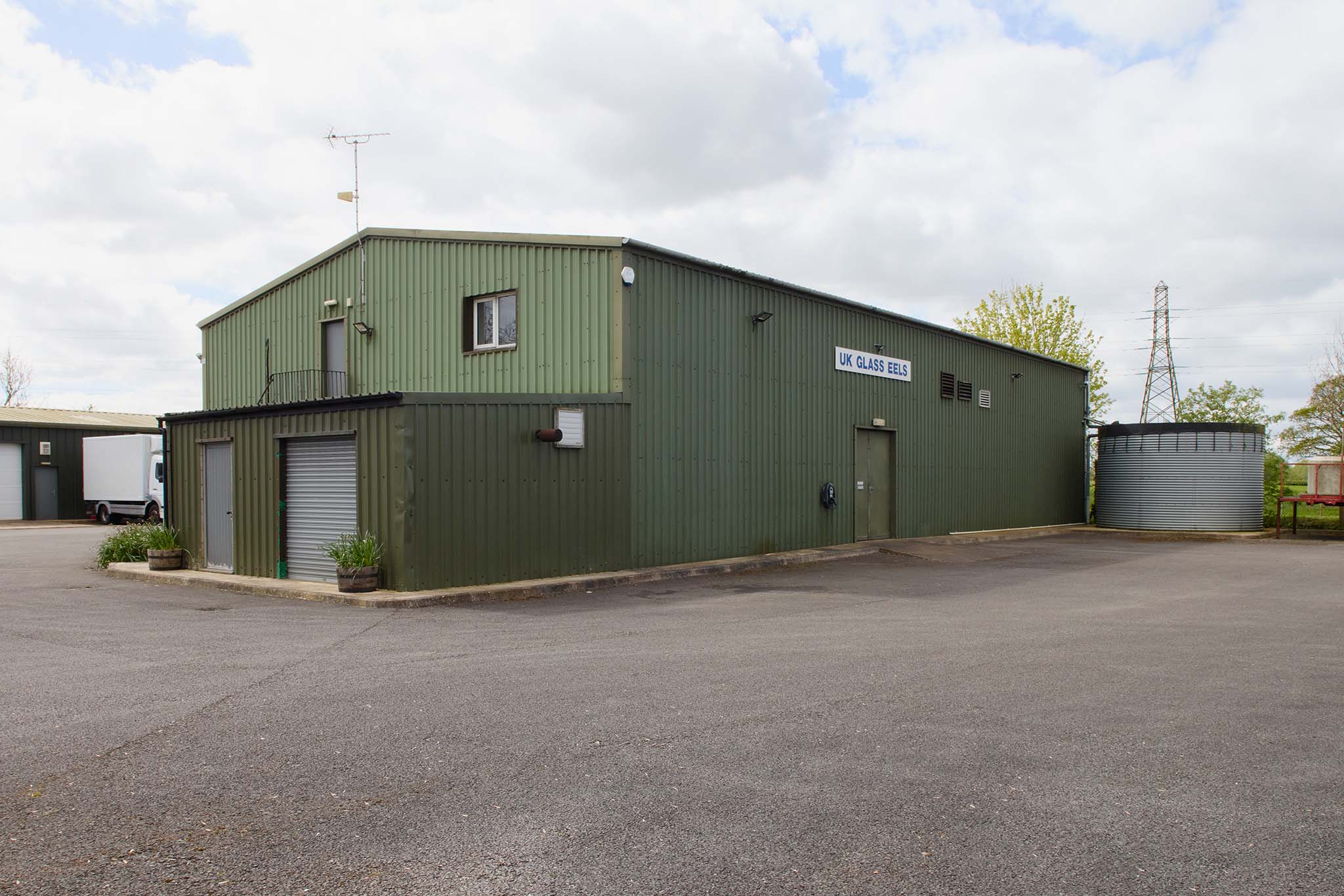
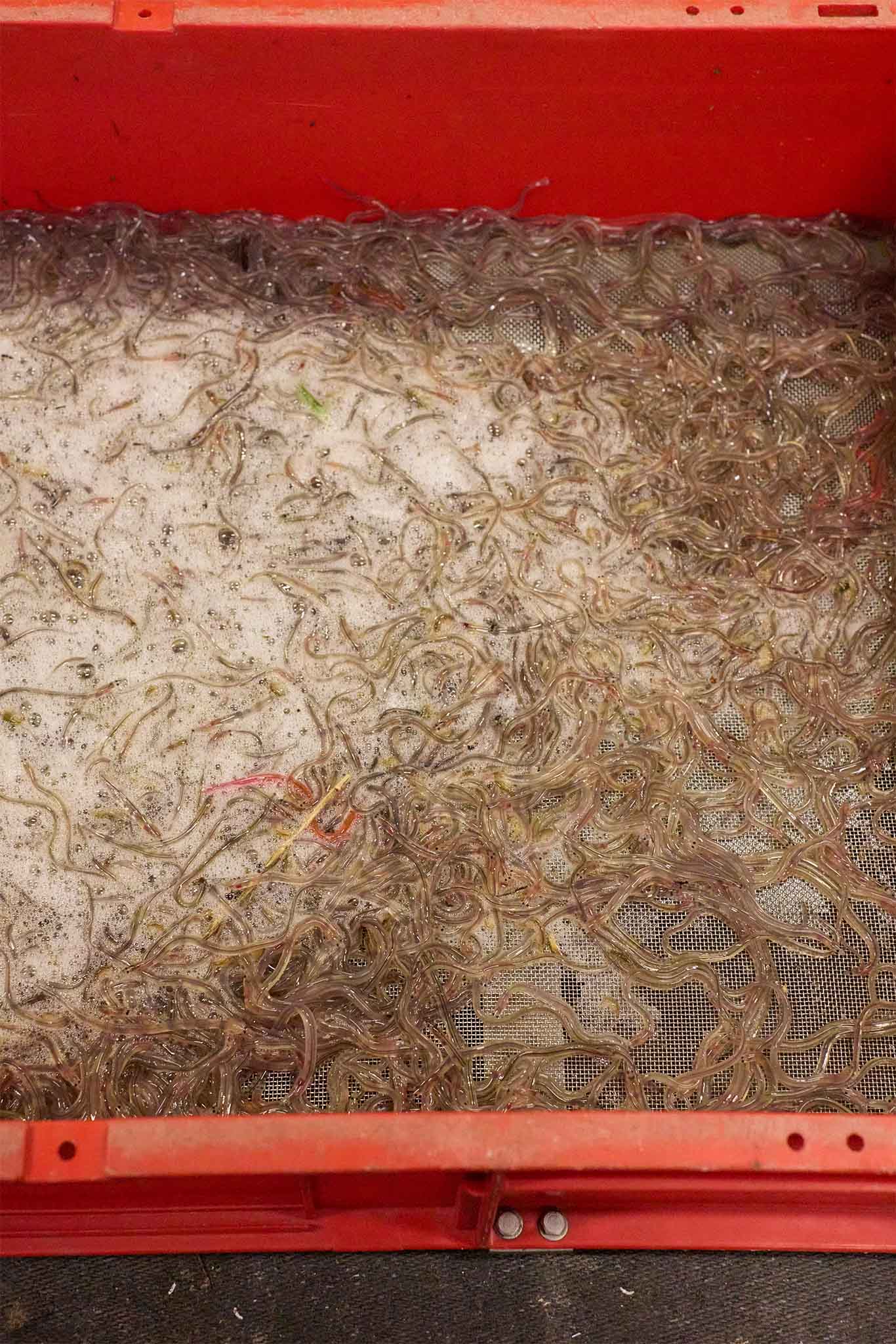
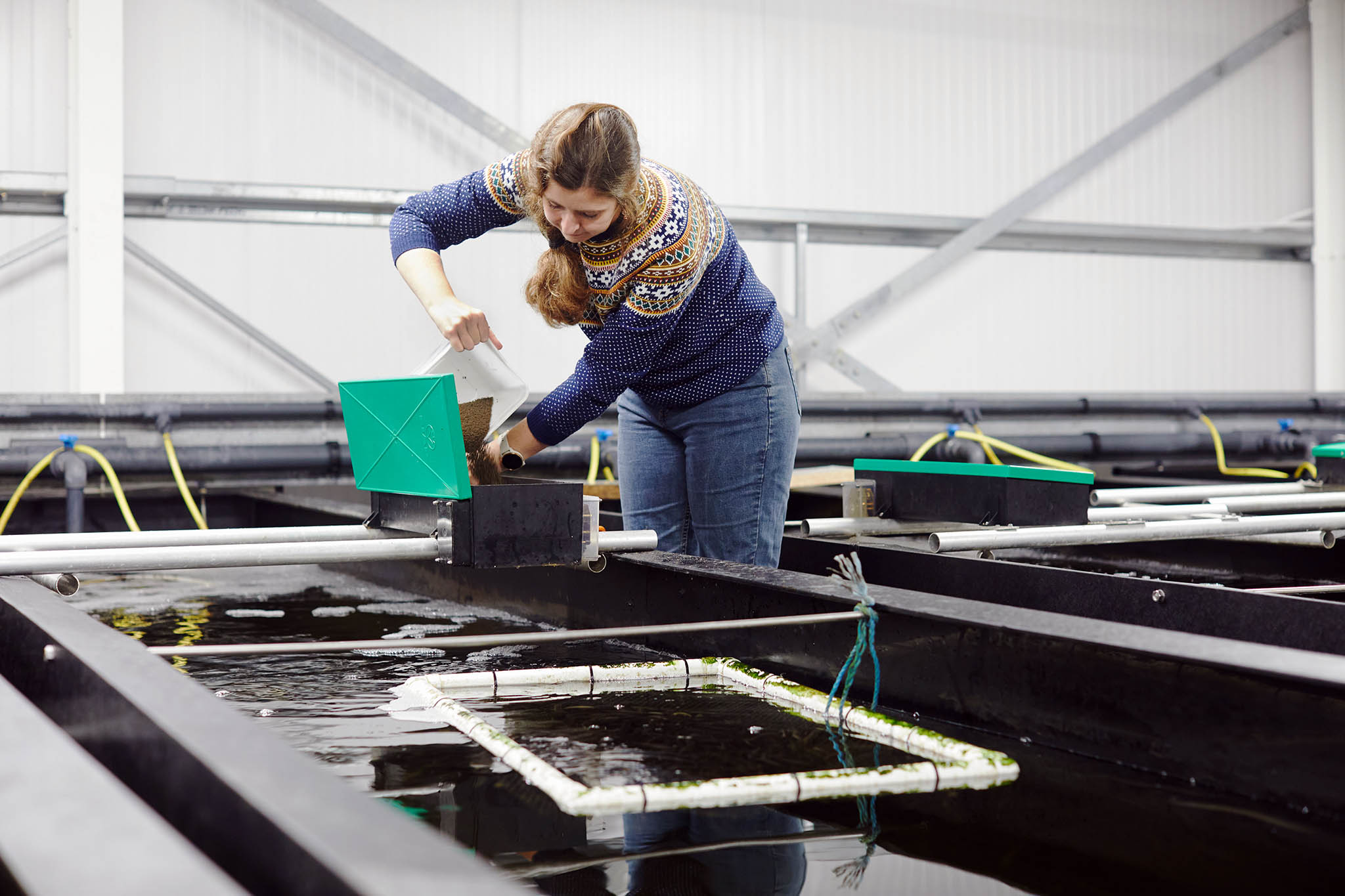
Peter Wood, owner of UK Glass Eels achieved sustainable eel accreditation and is passionate about preserving the traditional hand net eel fishery he has built over the last 50 years. Since 2010 it has been illegal to sell glass eels to anywhere outside Europe. Sustainability is vital in the glass eel business and the majority of UK Glass Eels' sales are for restocking projects, with the rest destined for aquaculture. A proportion of the elvers that are hand caught locally are kept in tanks to mature, for their conservation programme.
The European eel is a critically endangered species and numbers of eels reaching Europe is thought to have declined by at least 90% since the 1970s. Glass eel-fishing in England is only permitted on the River Severn and River Parrett, which flows through Dorset and Somerset. The history of eel fishing in the UK and in Gloucester dates back hundreds of years, when eels were an important source of protein for the poor.
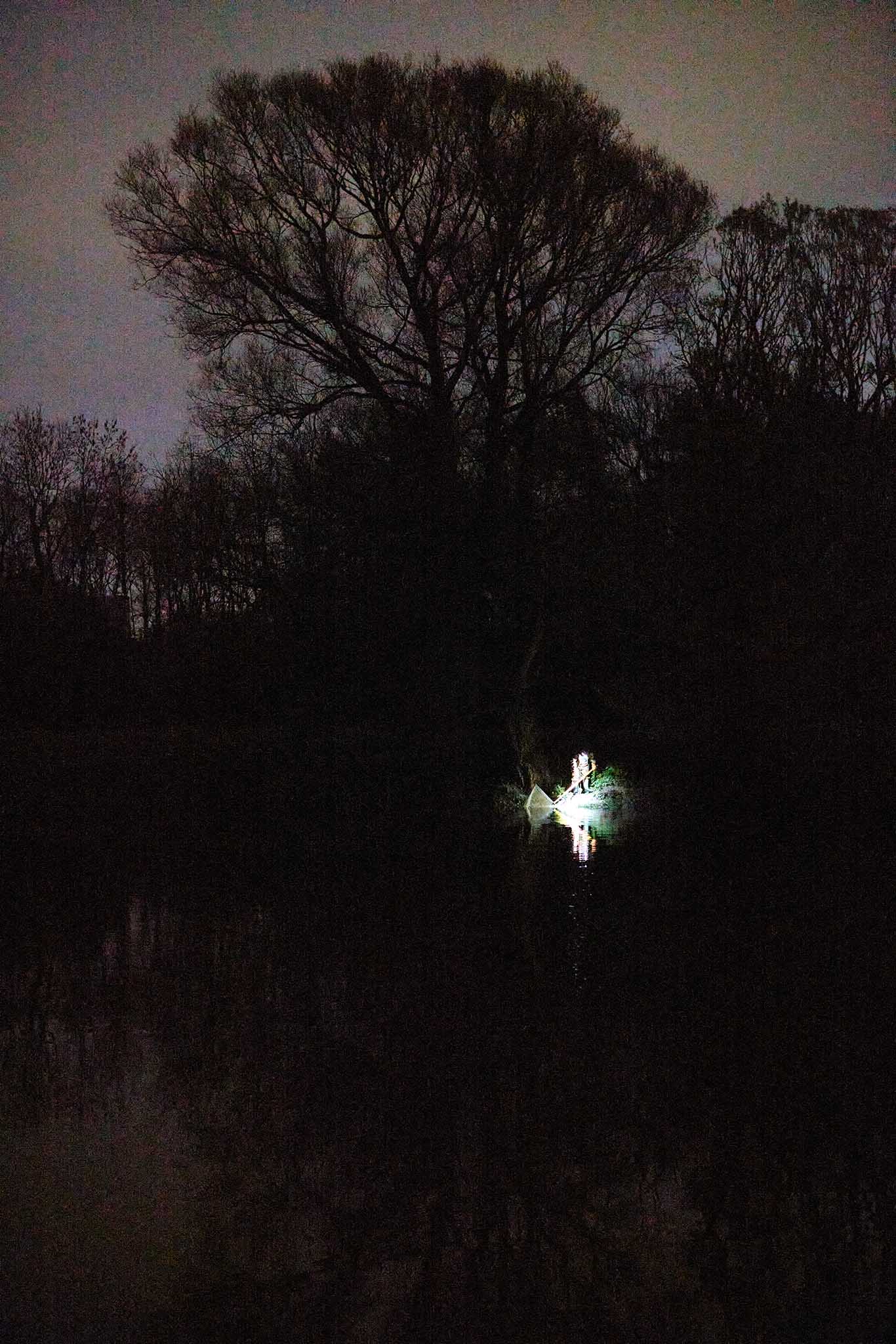
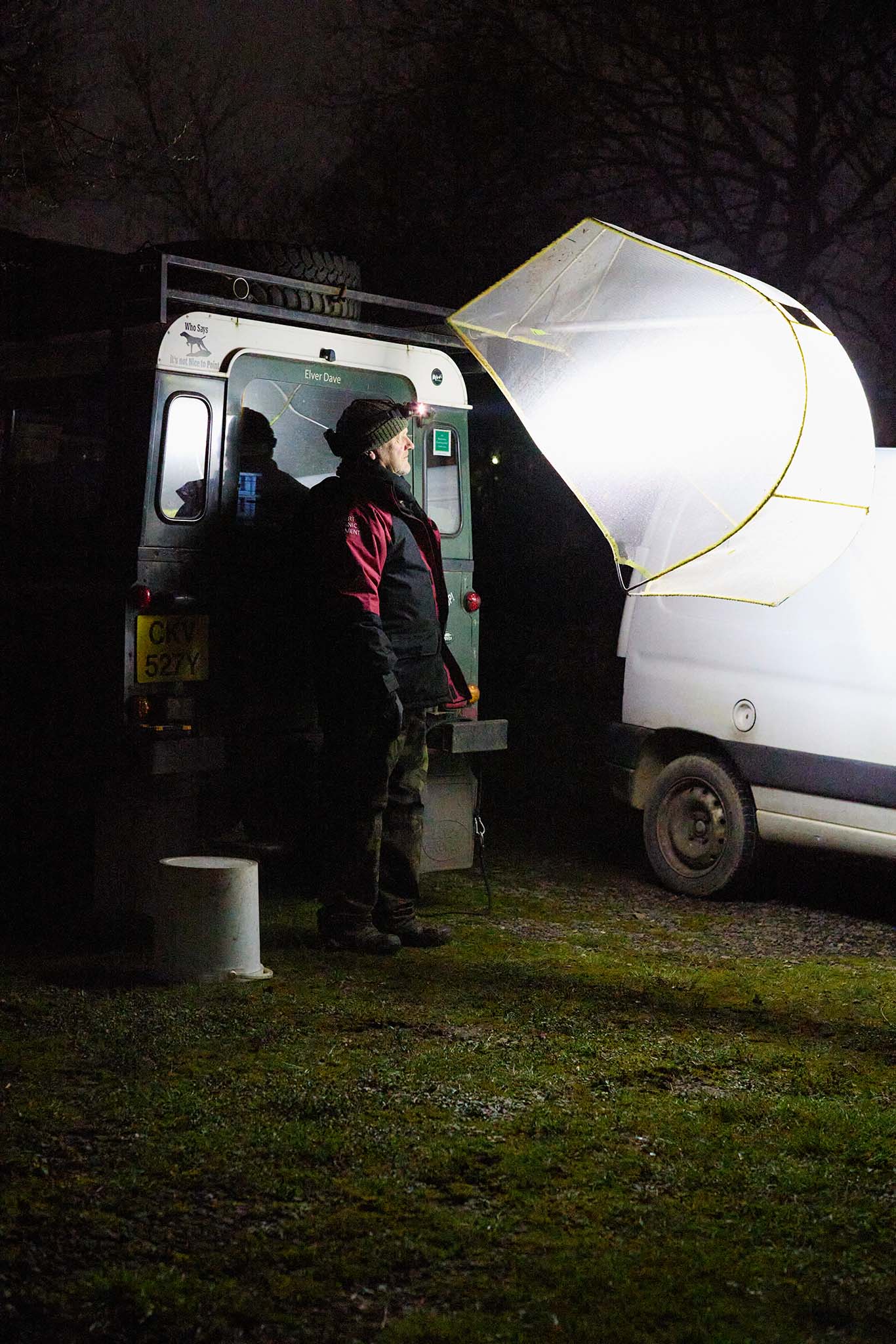
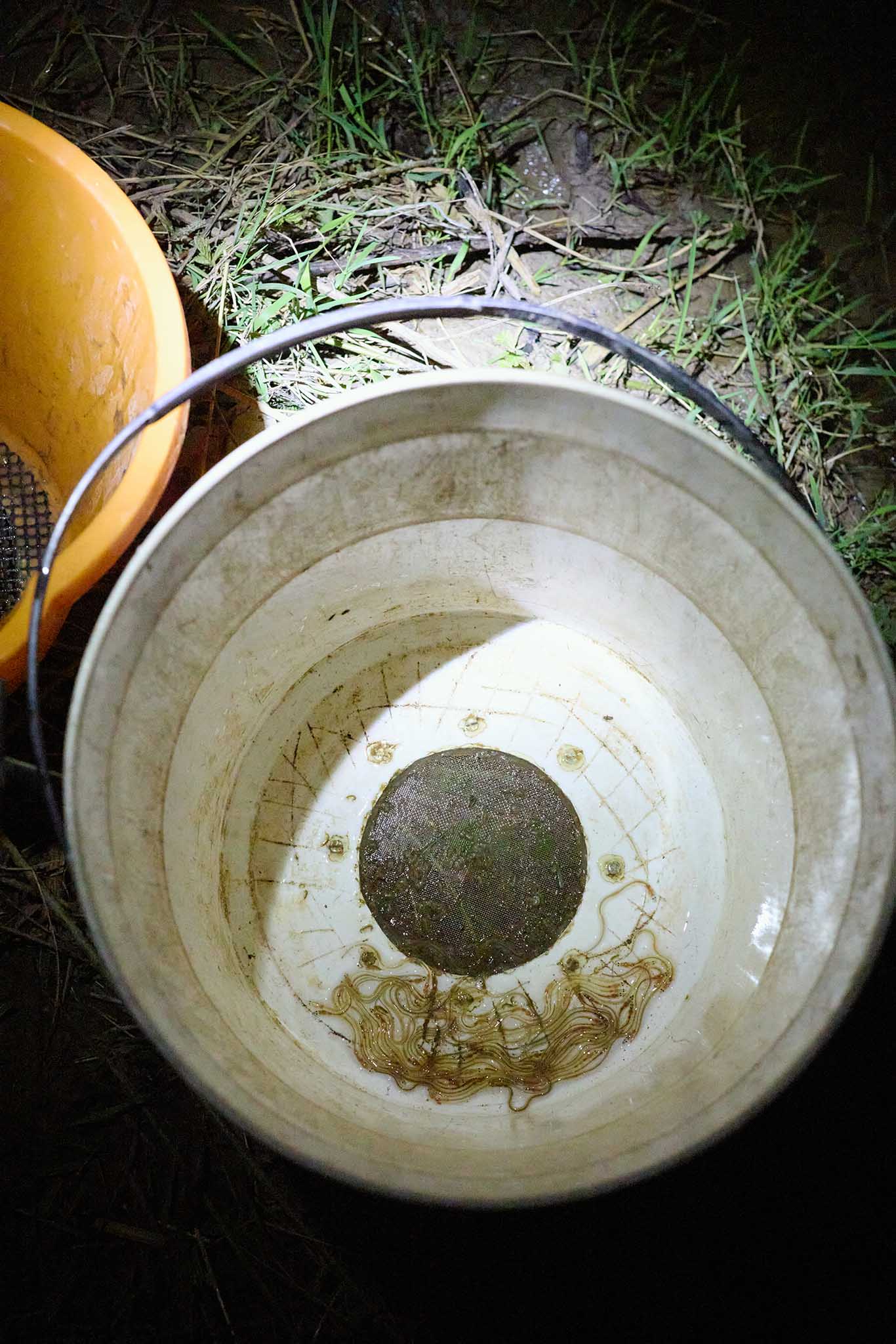
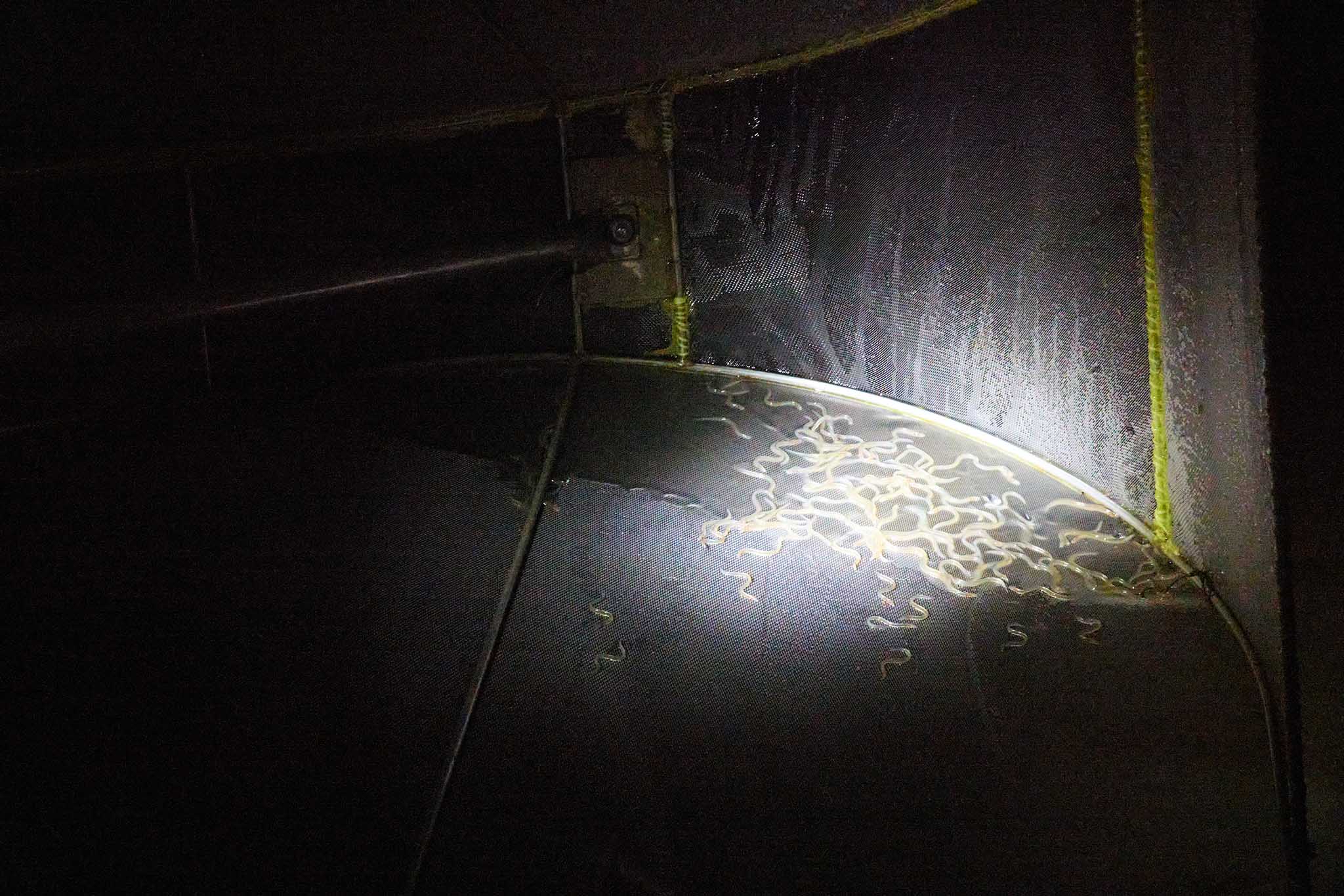
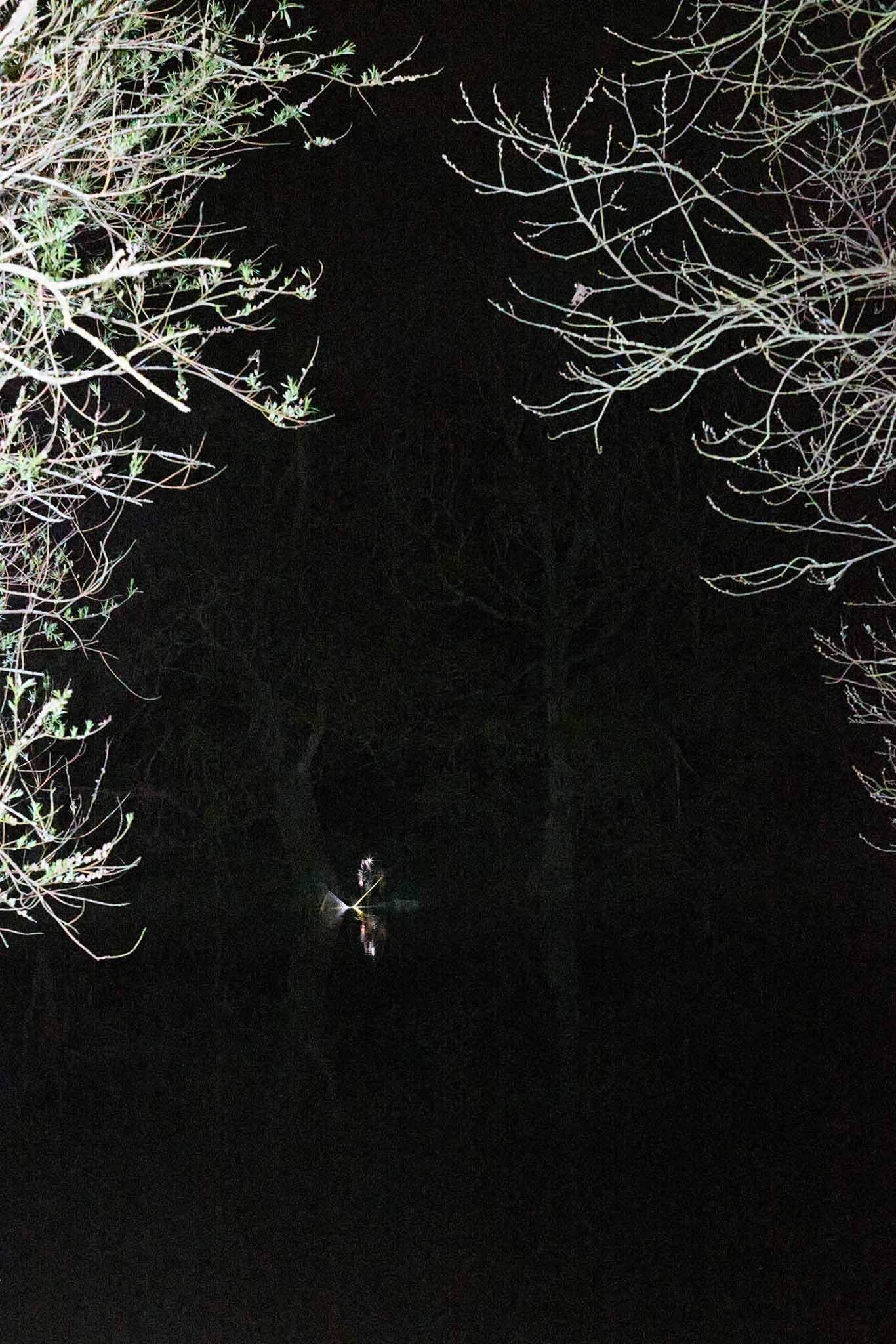
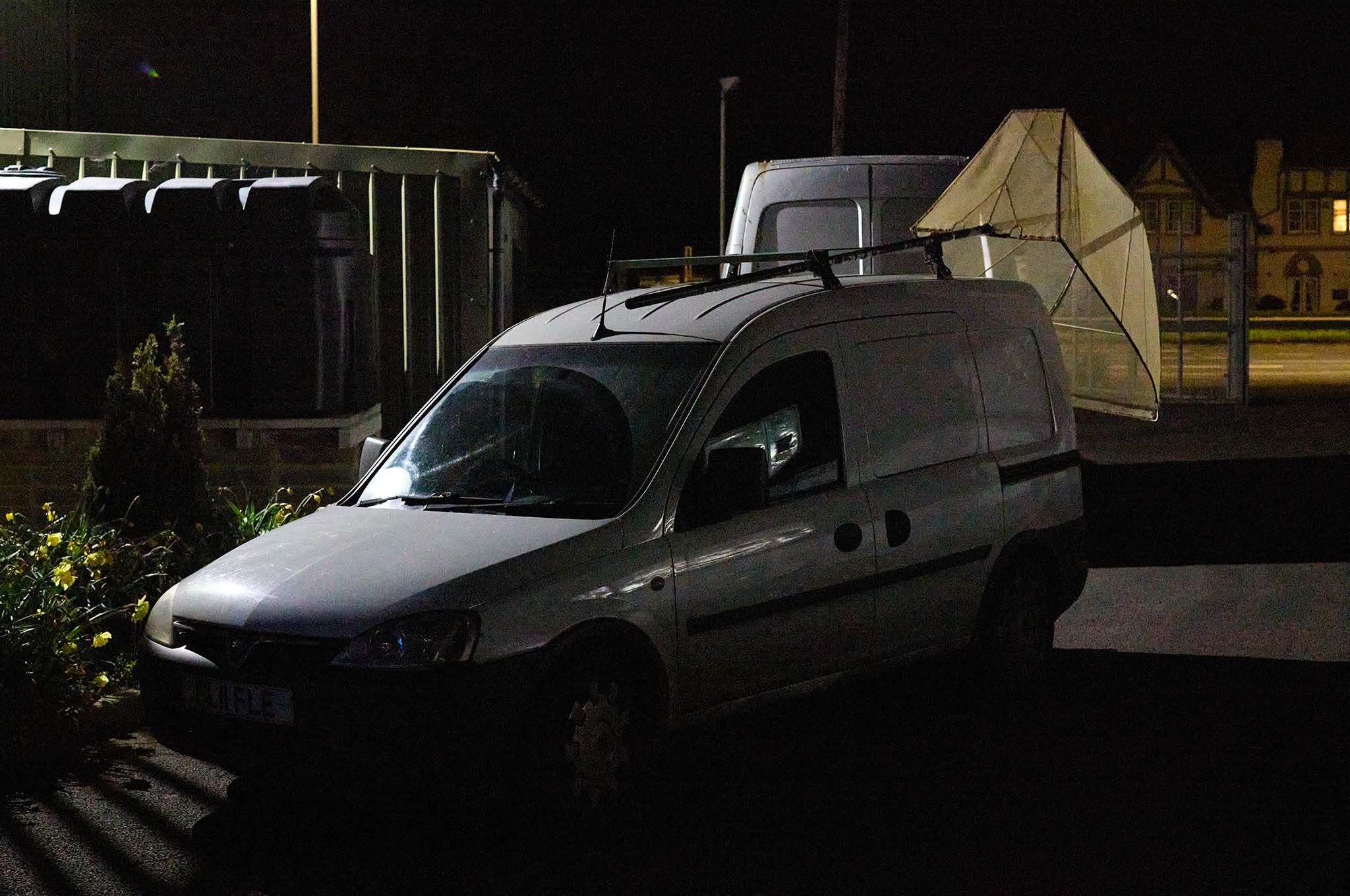
"This was one of the most fascinating shoots I've been on. I had always heard about the elver fishermen of Gloucester but living in Stroud, I hadn't seen them drive around the city at night with their nets on their cars. I was delighted to be invited to the river by Dave Smith, who has fished for elvers since he was a young boy. He met me on the banks of the River Severn late one evening in March. Sure enough it was a high Spring tide and the elvers were there to be caught - ghostly, transparent creatures." Carmel King photographed UK Glass Eels in March 2024 for Made in Gloucester.