




Supporting British Industry & Craftsmanship
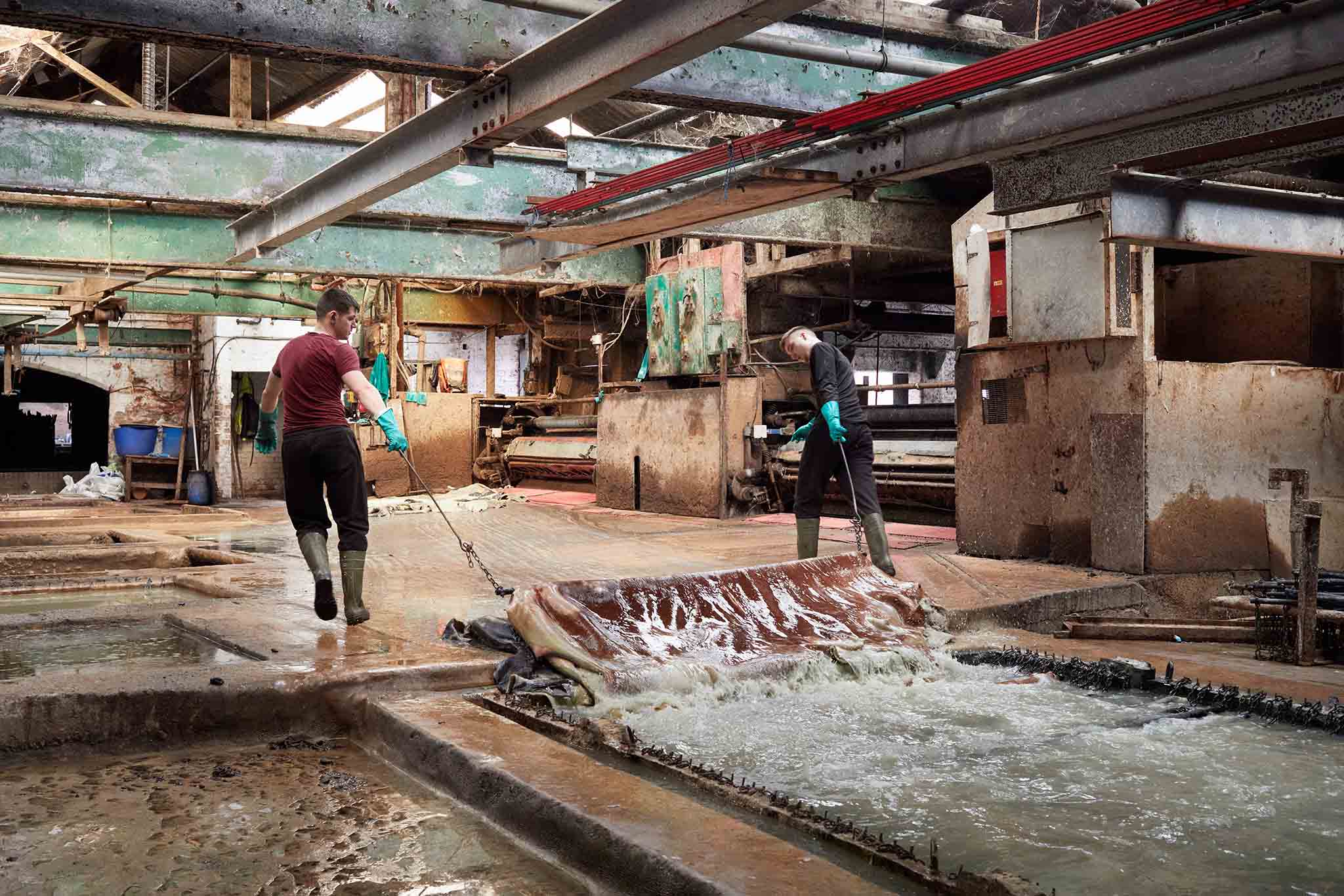
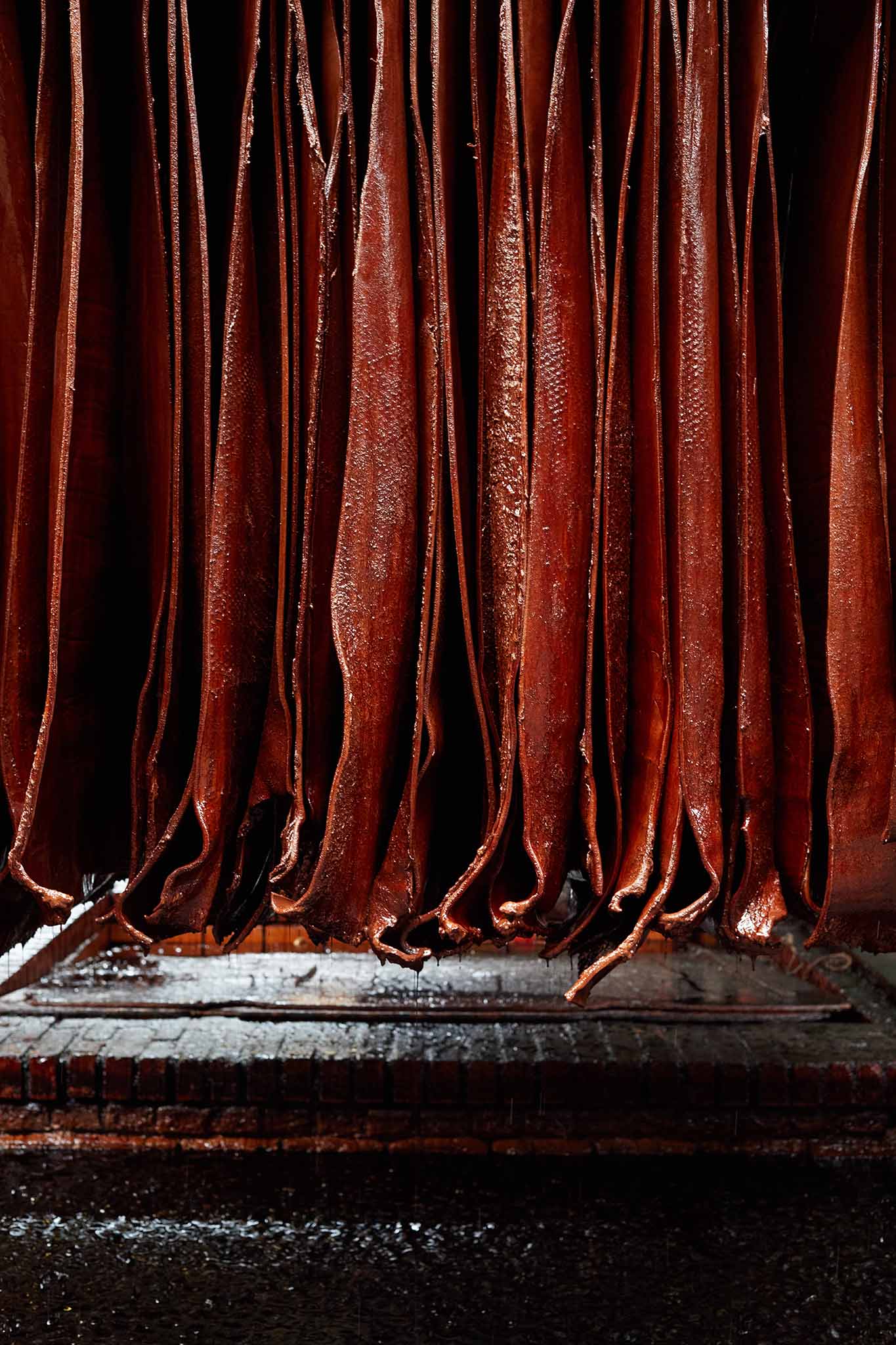
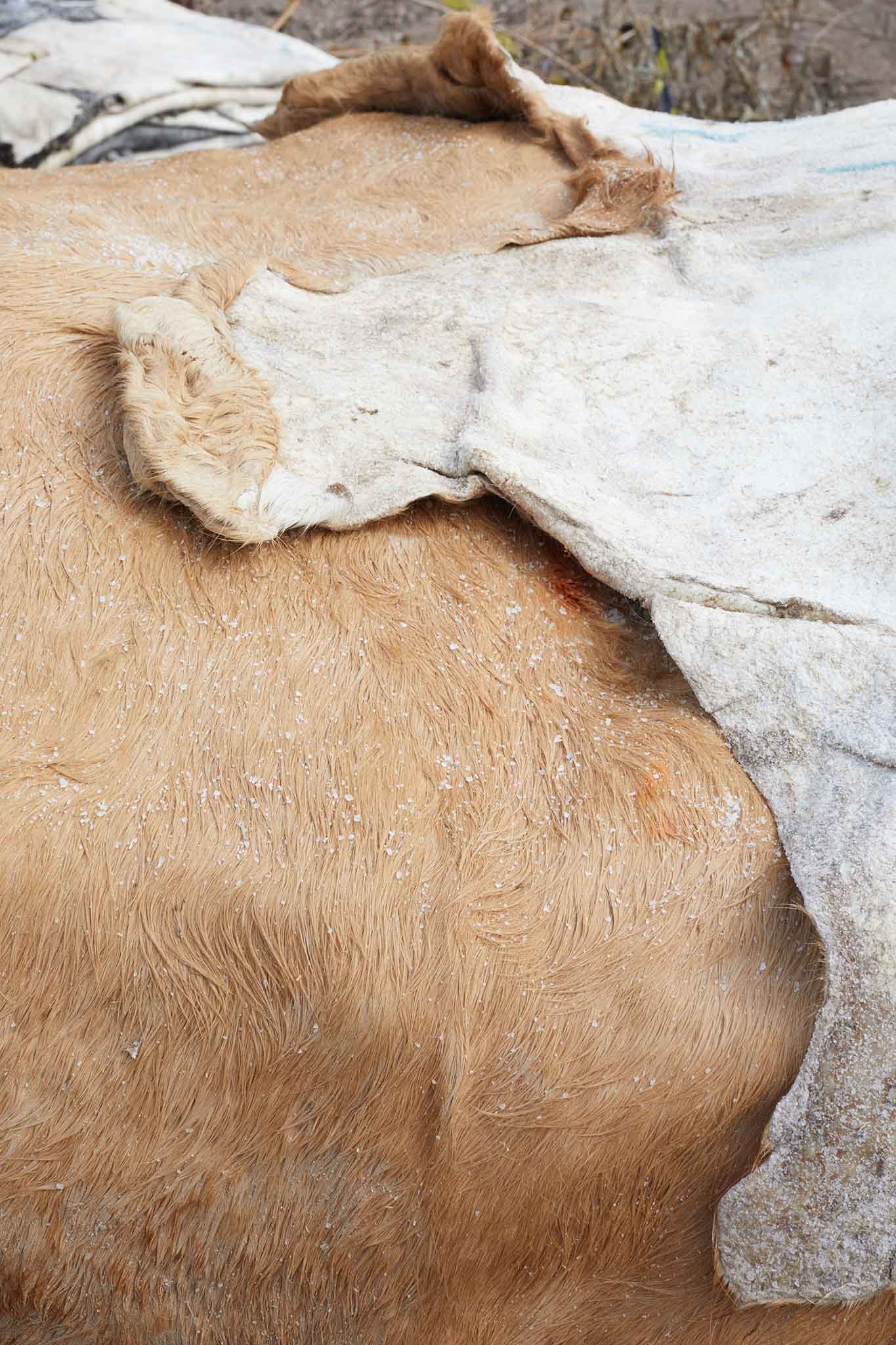
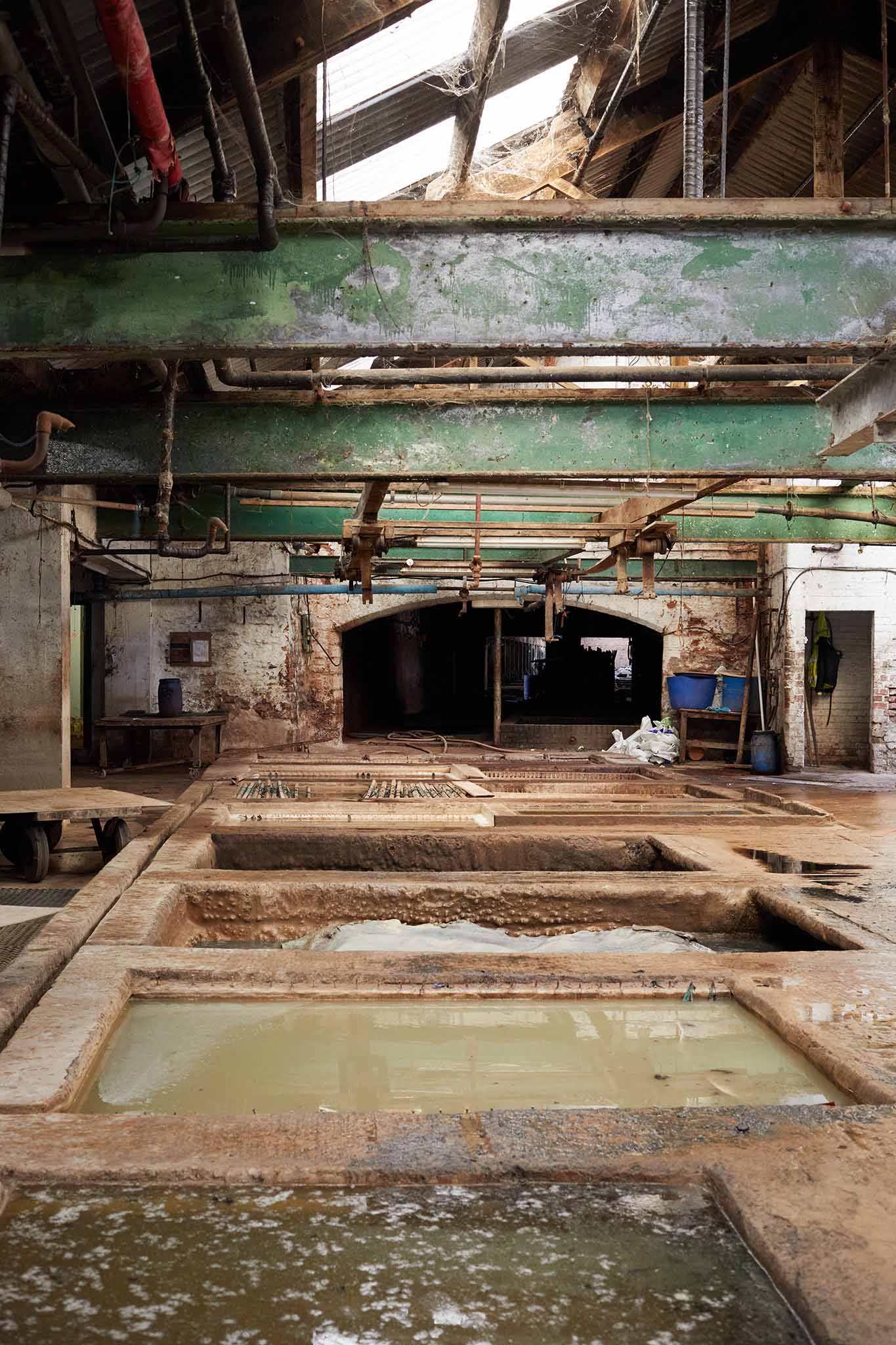
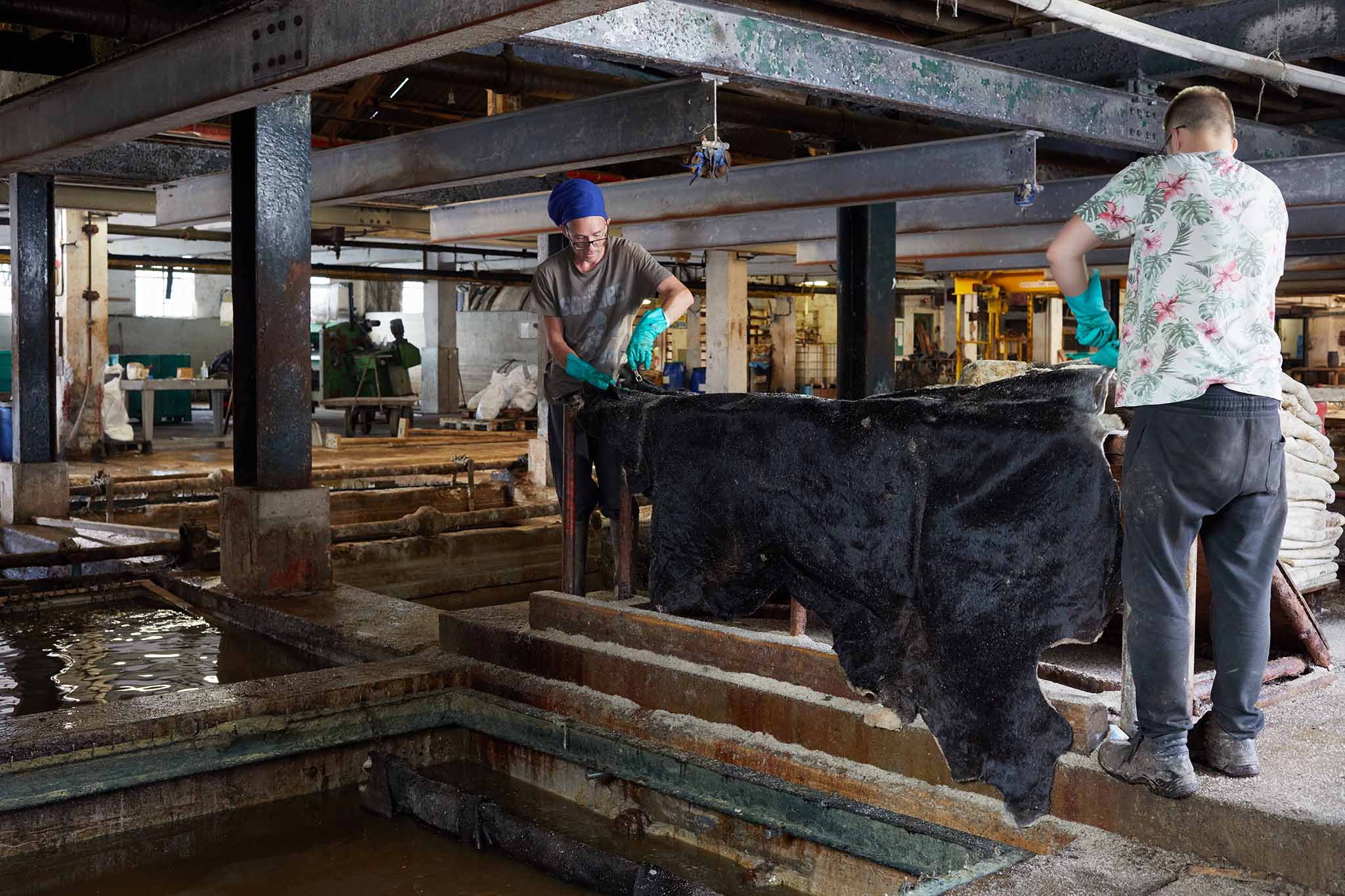
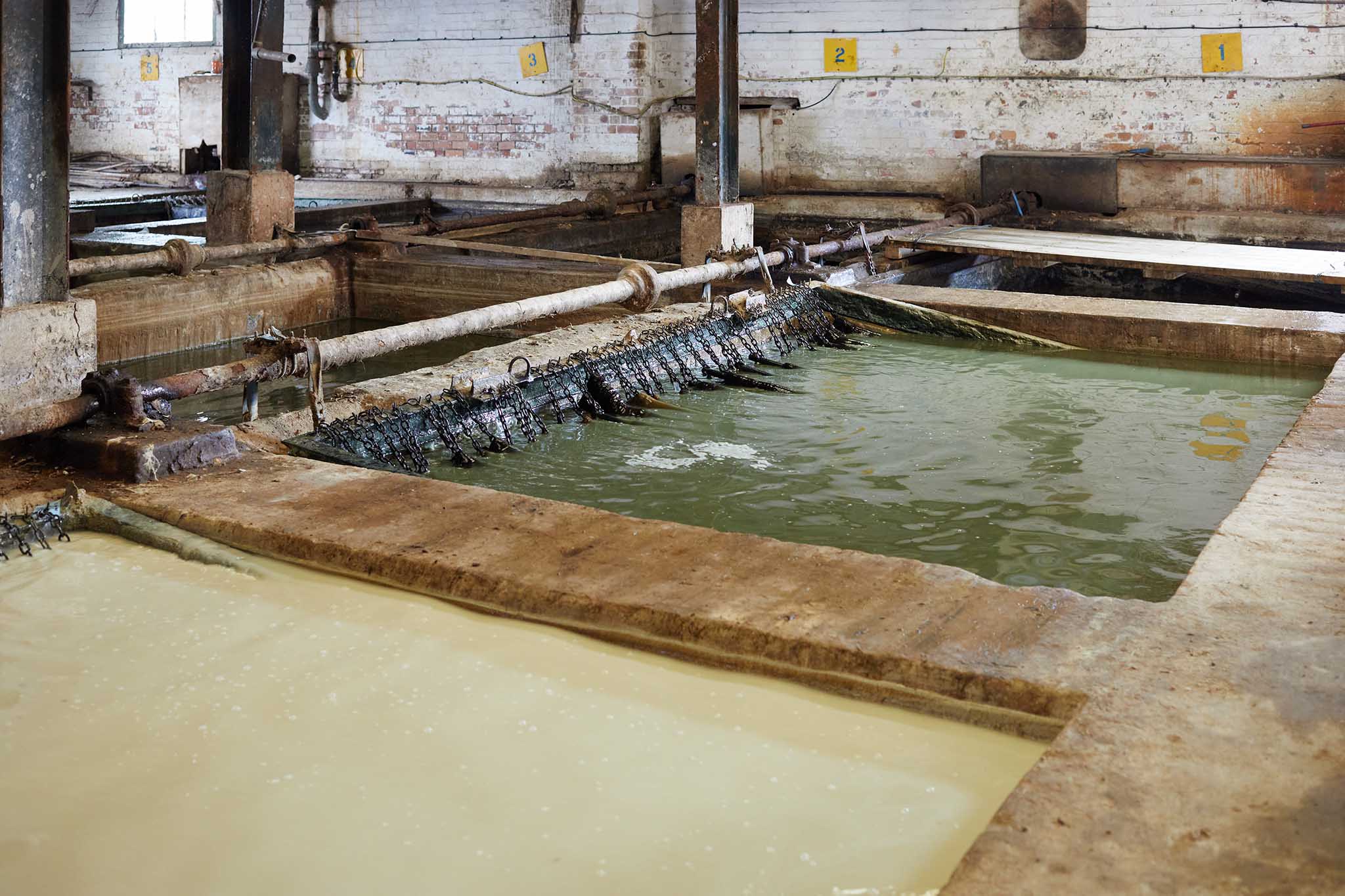
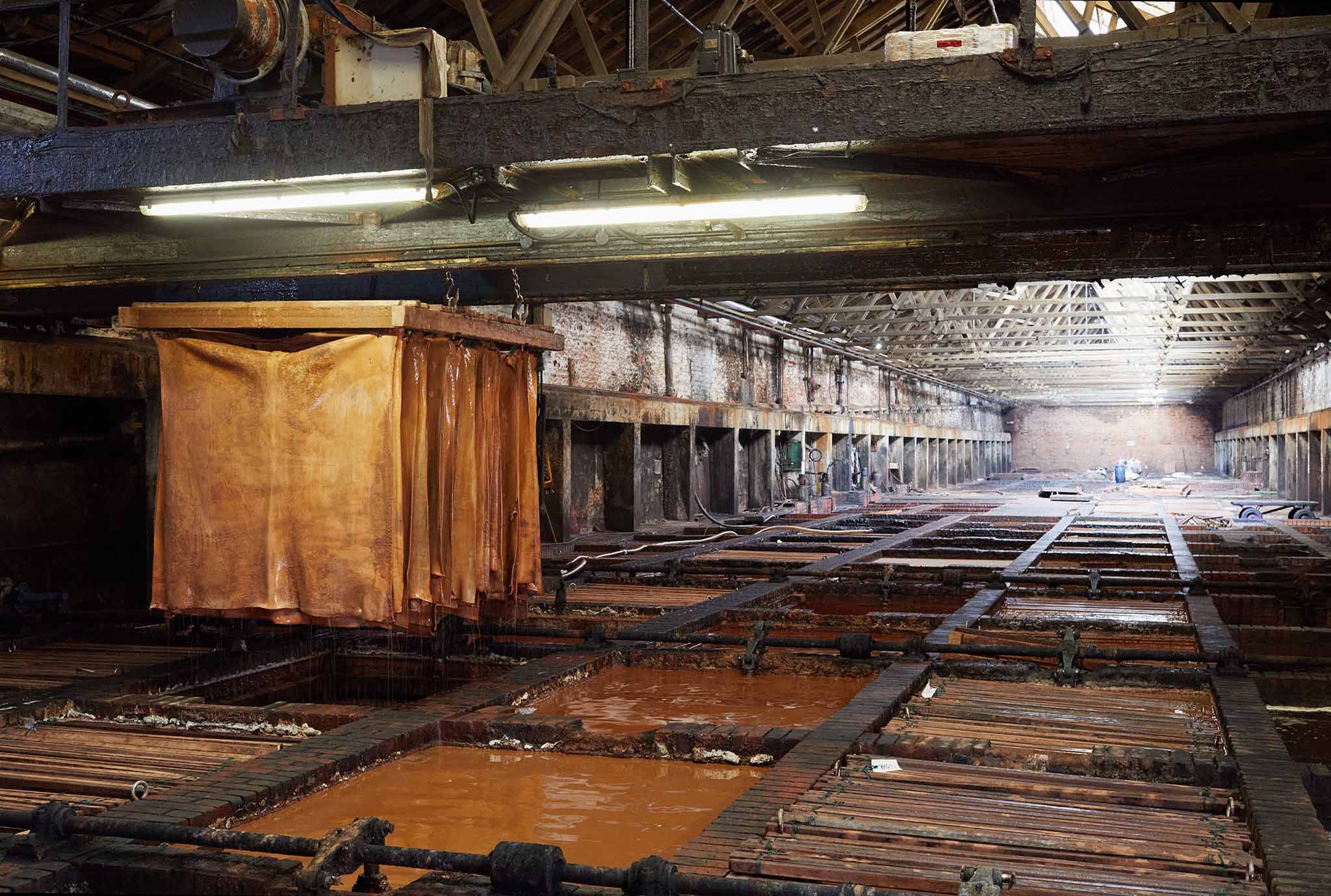
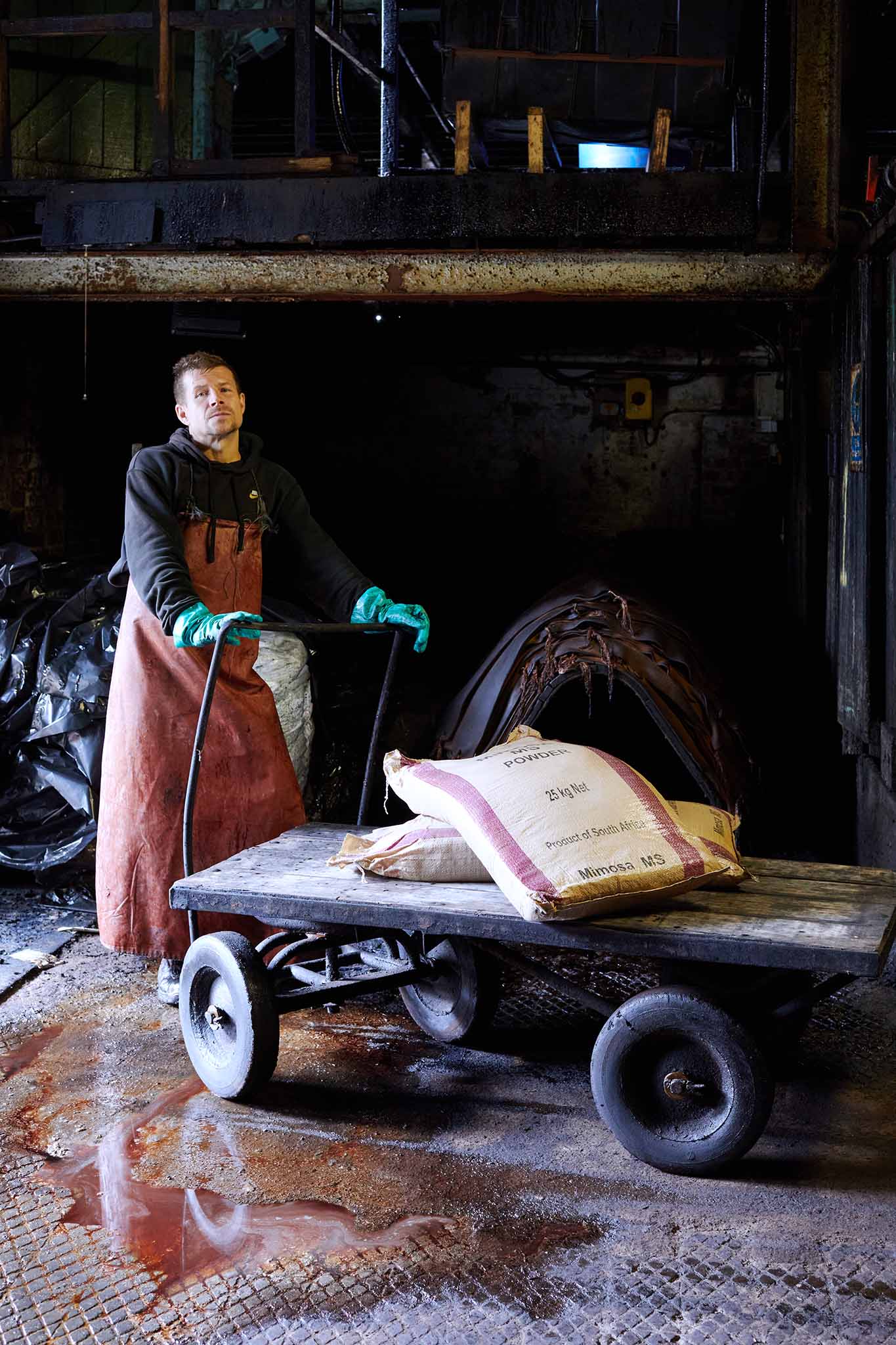
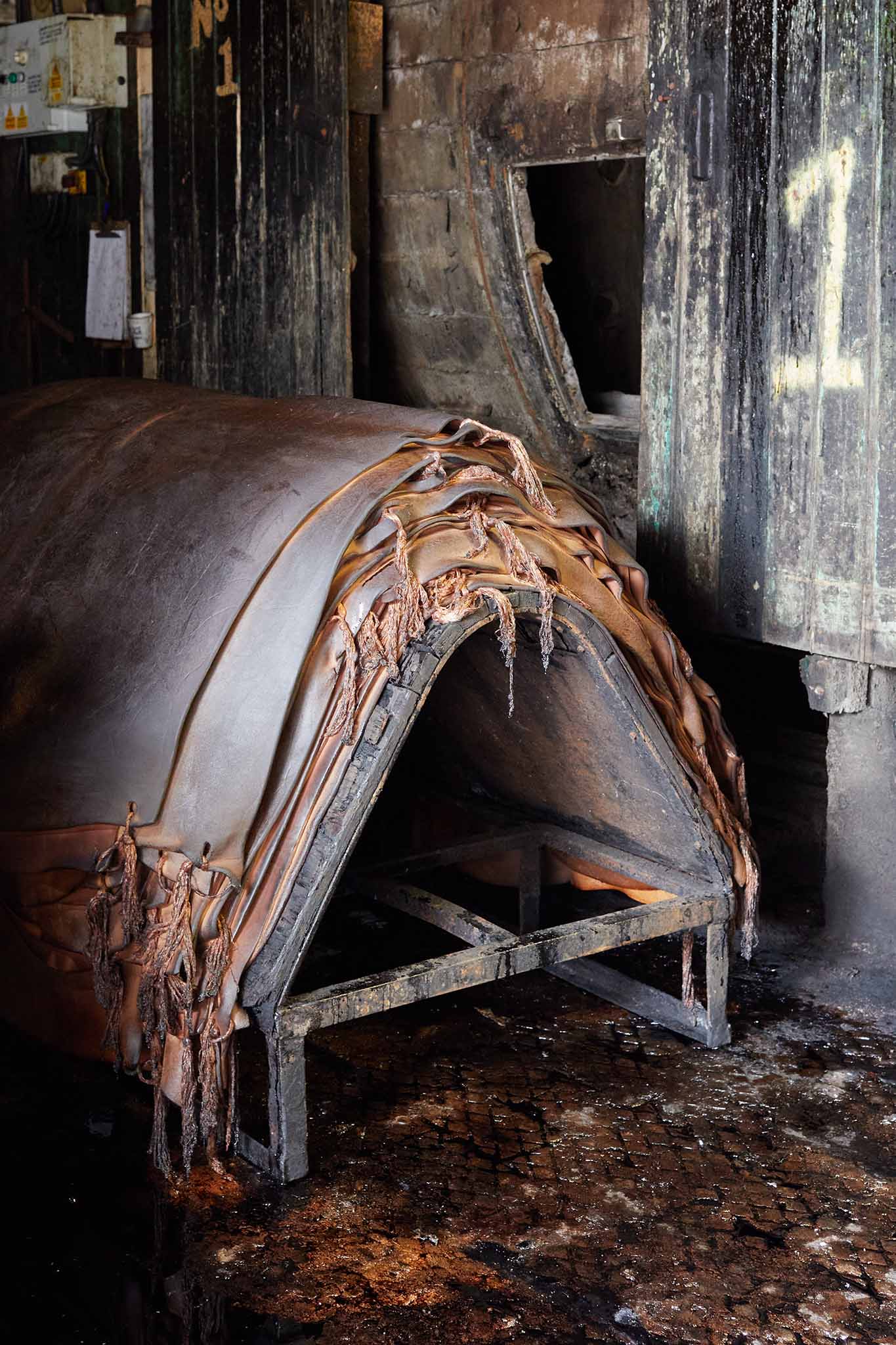
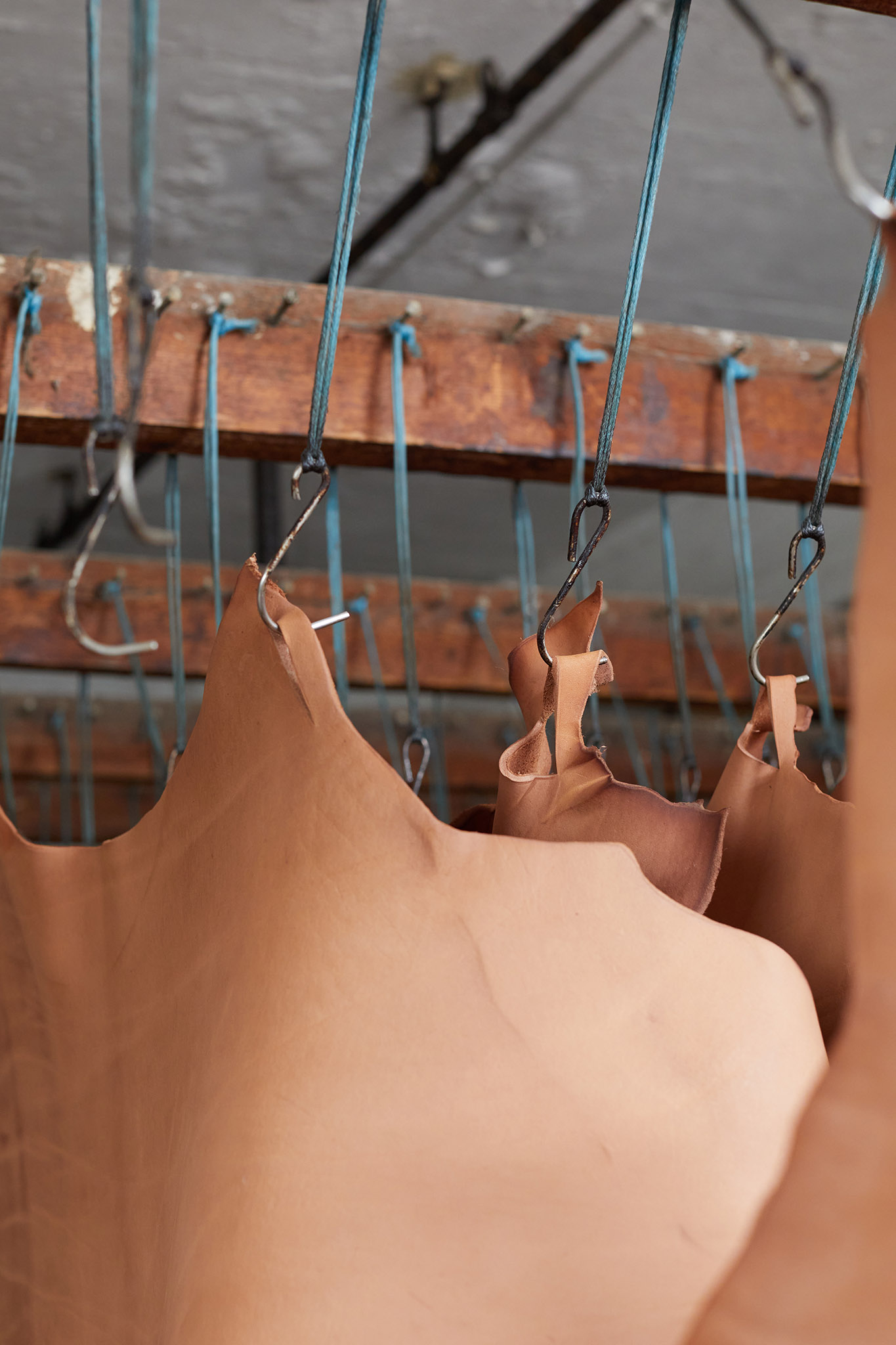
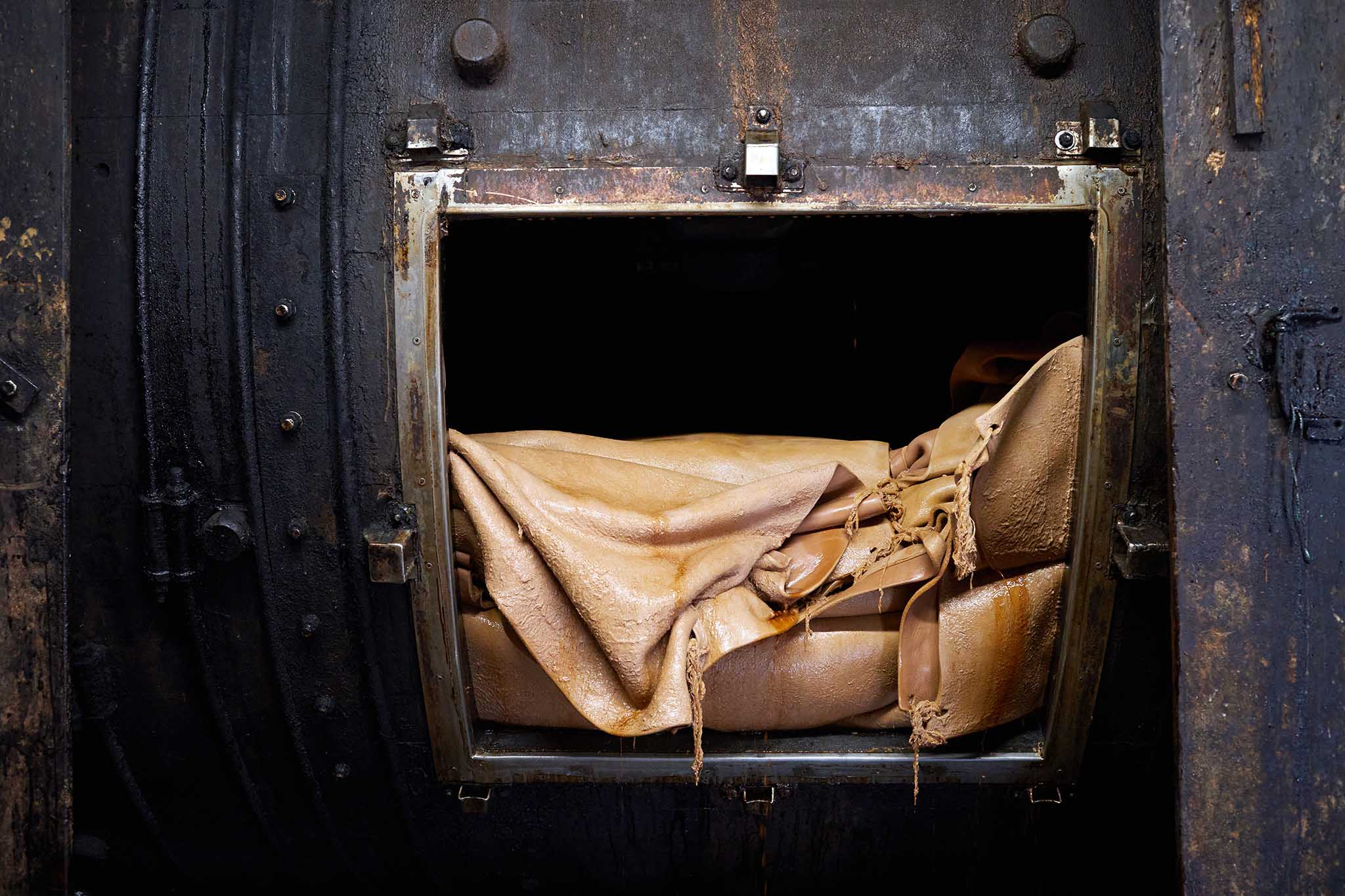
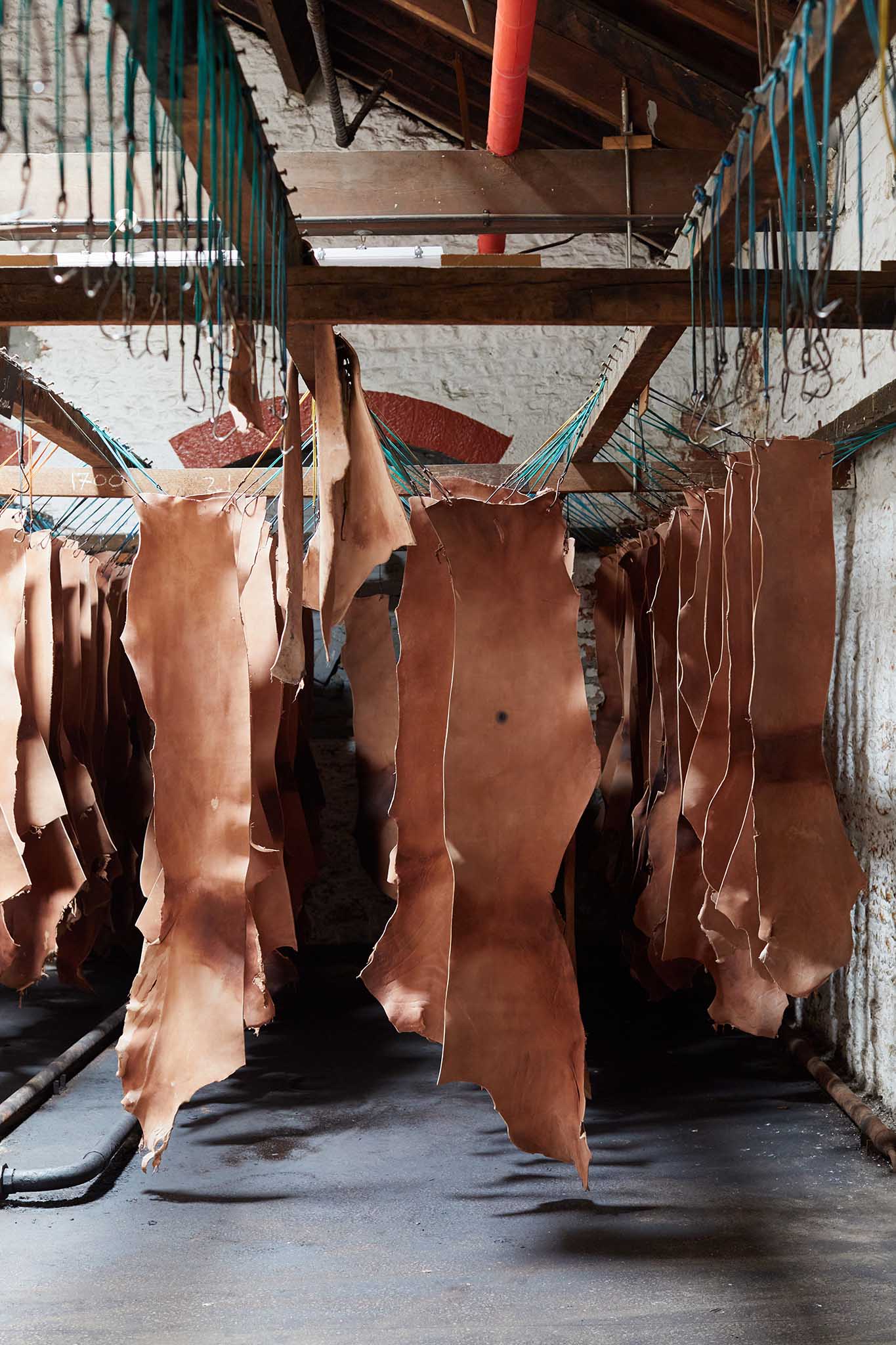
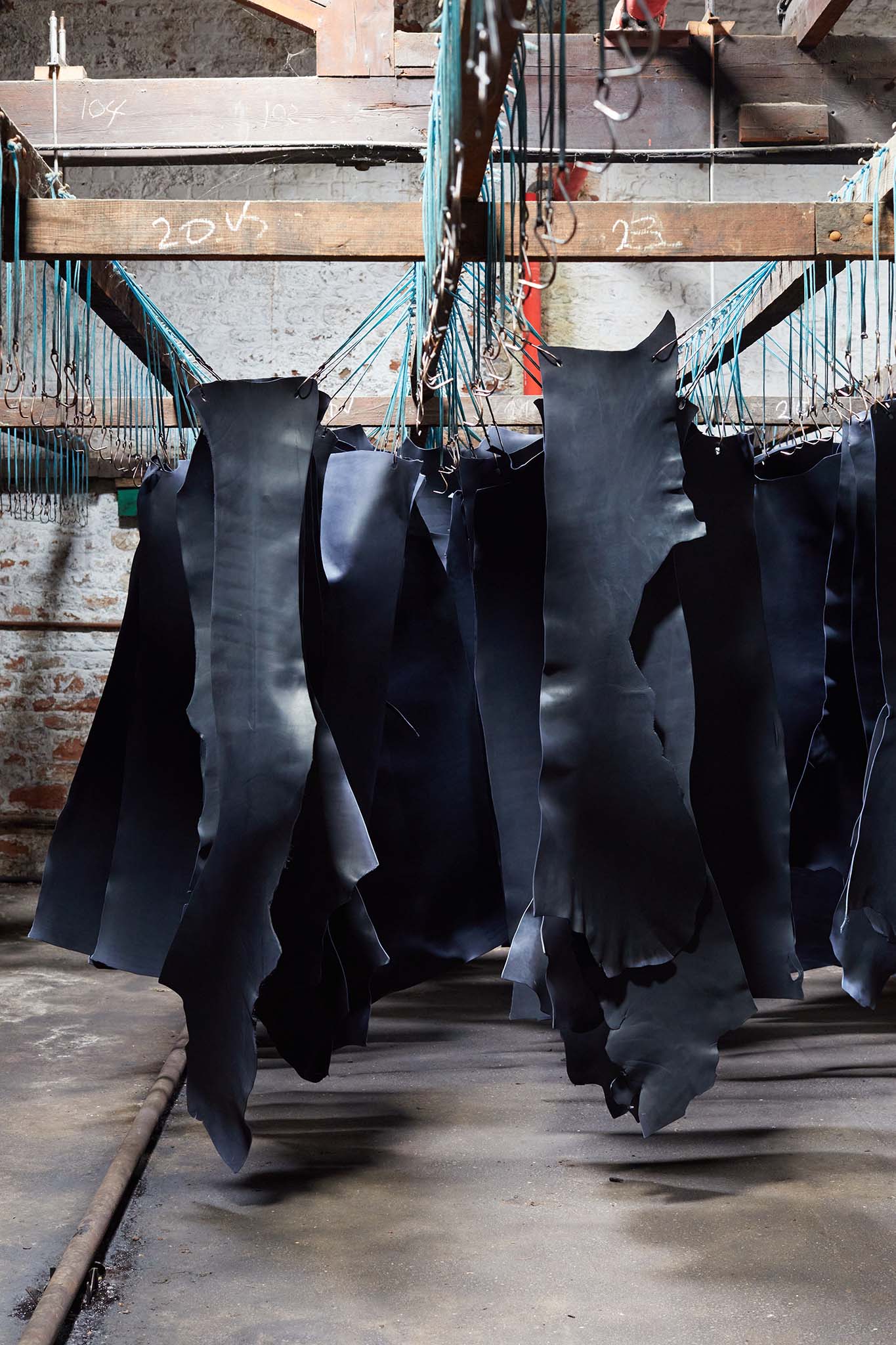
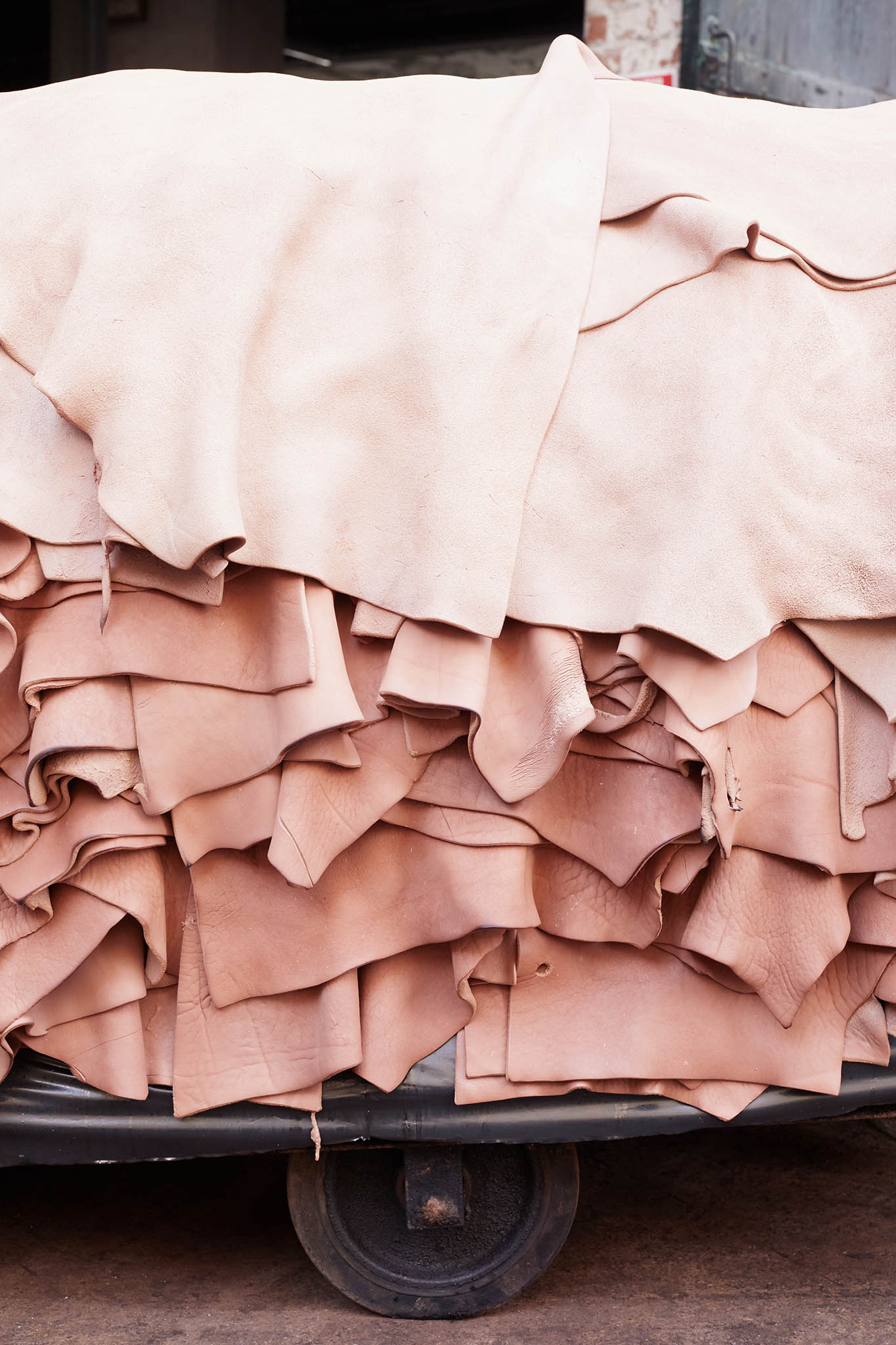
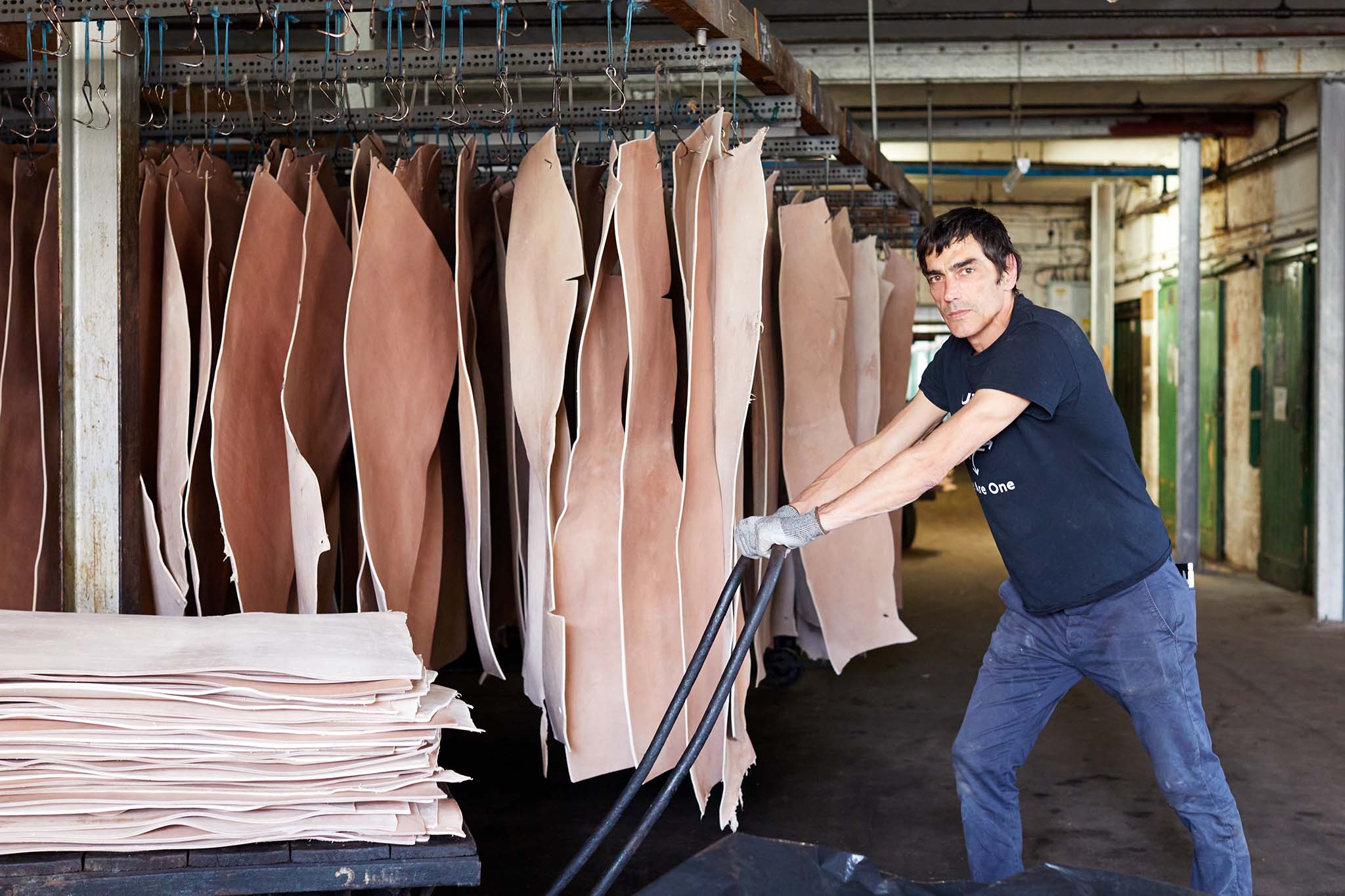
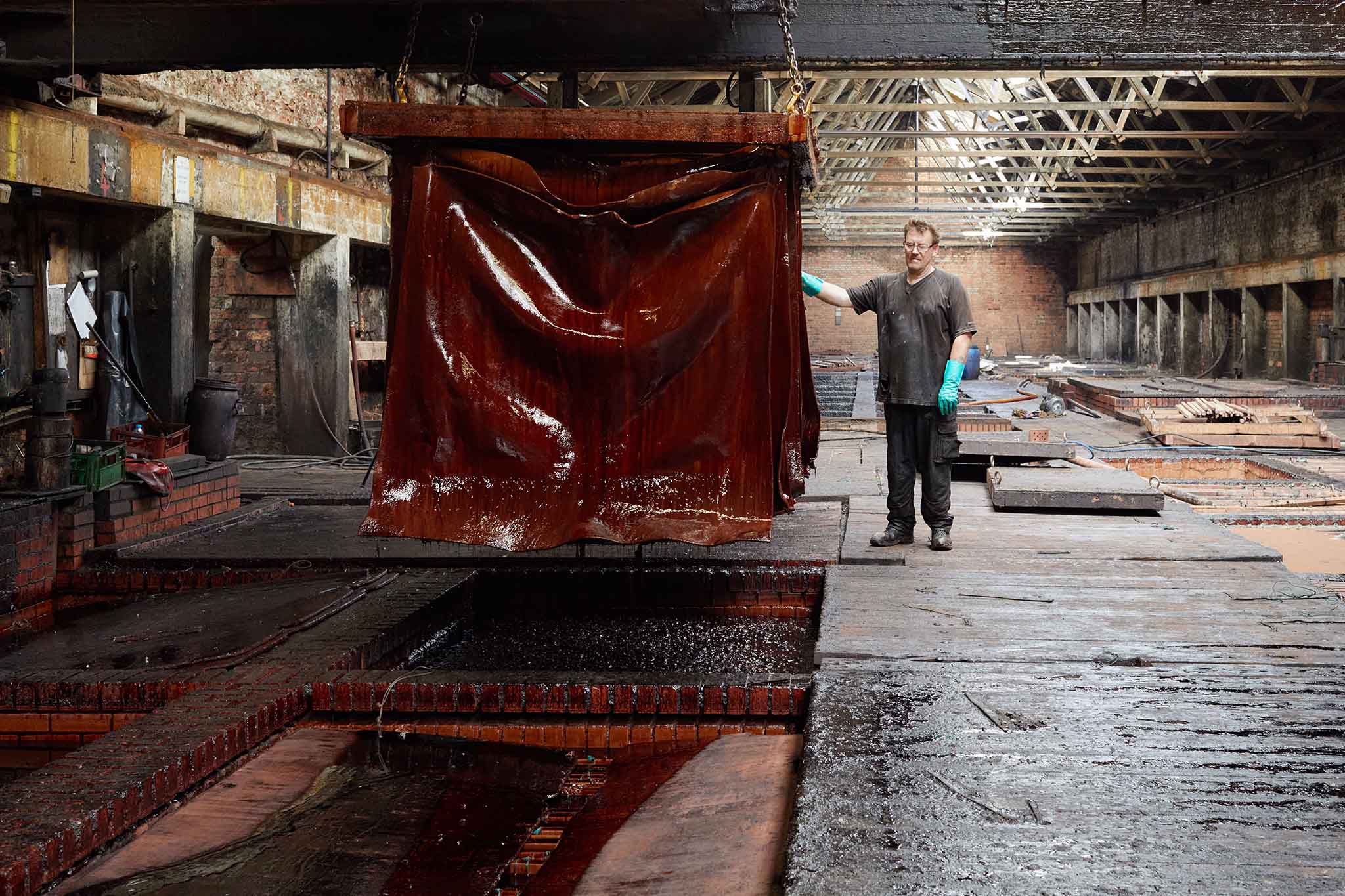
Thomas Ware & Sons are the biggest of the three traditional leather pit tanneries left in Britain, down from over 70 in the 1950s. In vegetable tanning, particularly when using oak bark, hides can spend over a year in tan; quite different to modern rapid metal tannages that are finished in a few days.
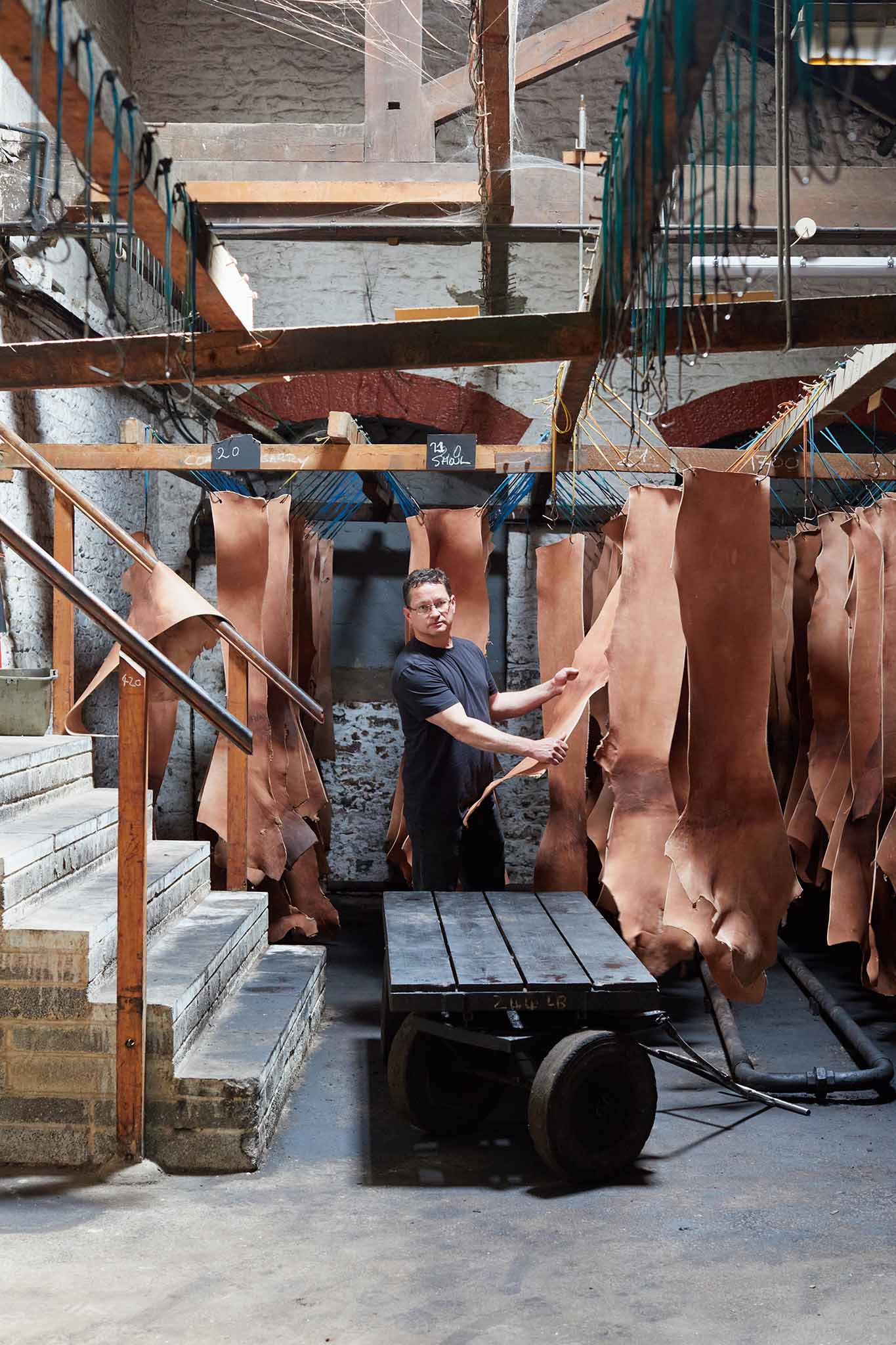
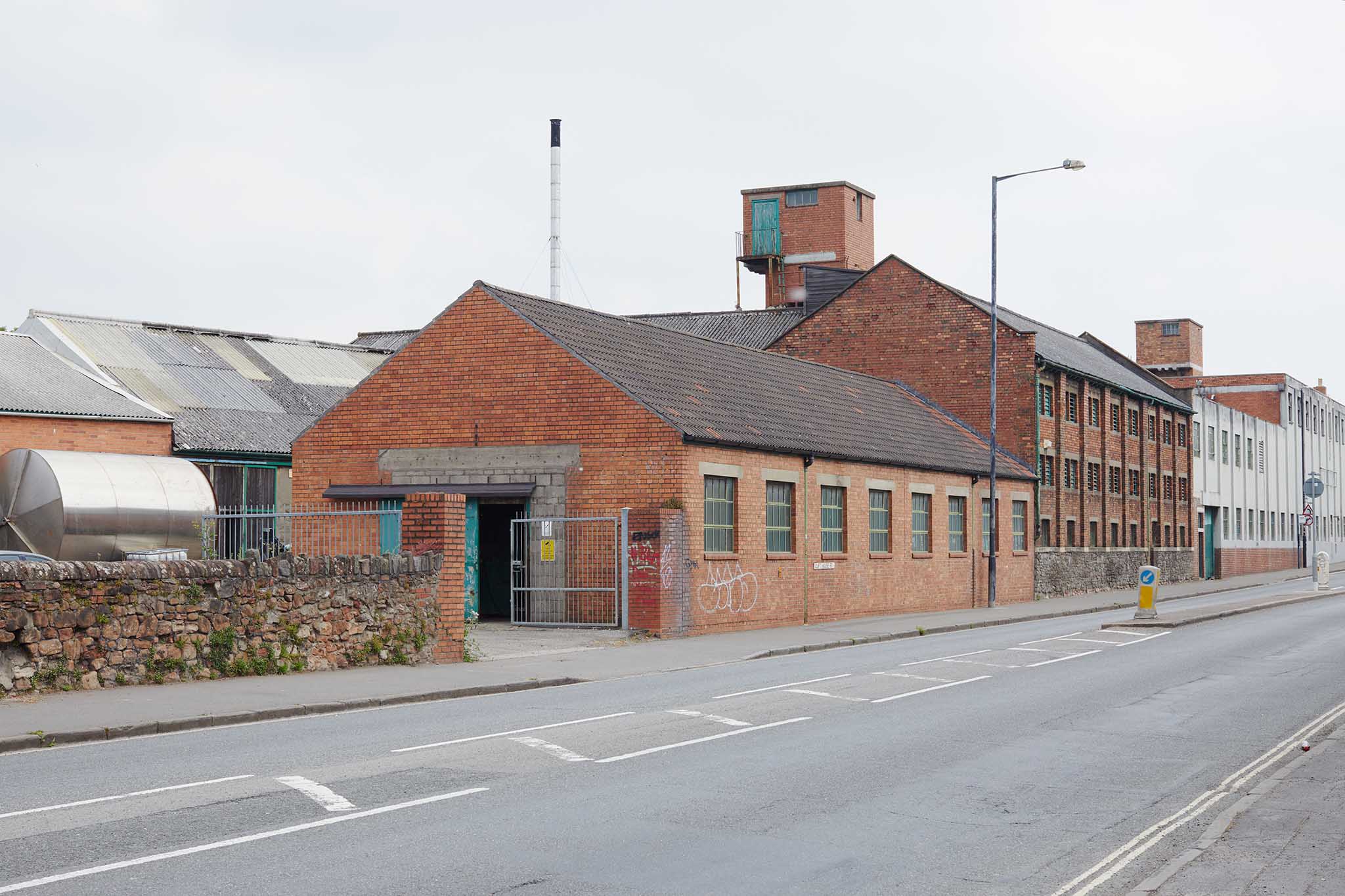
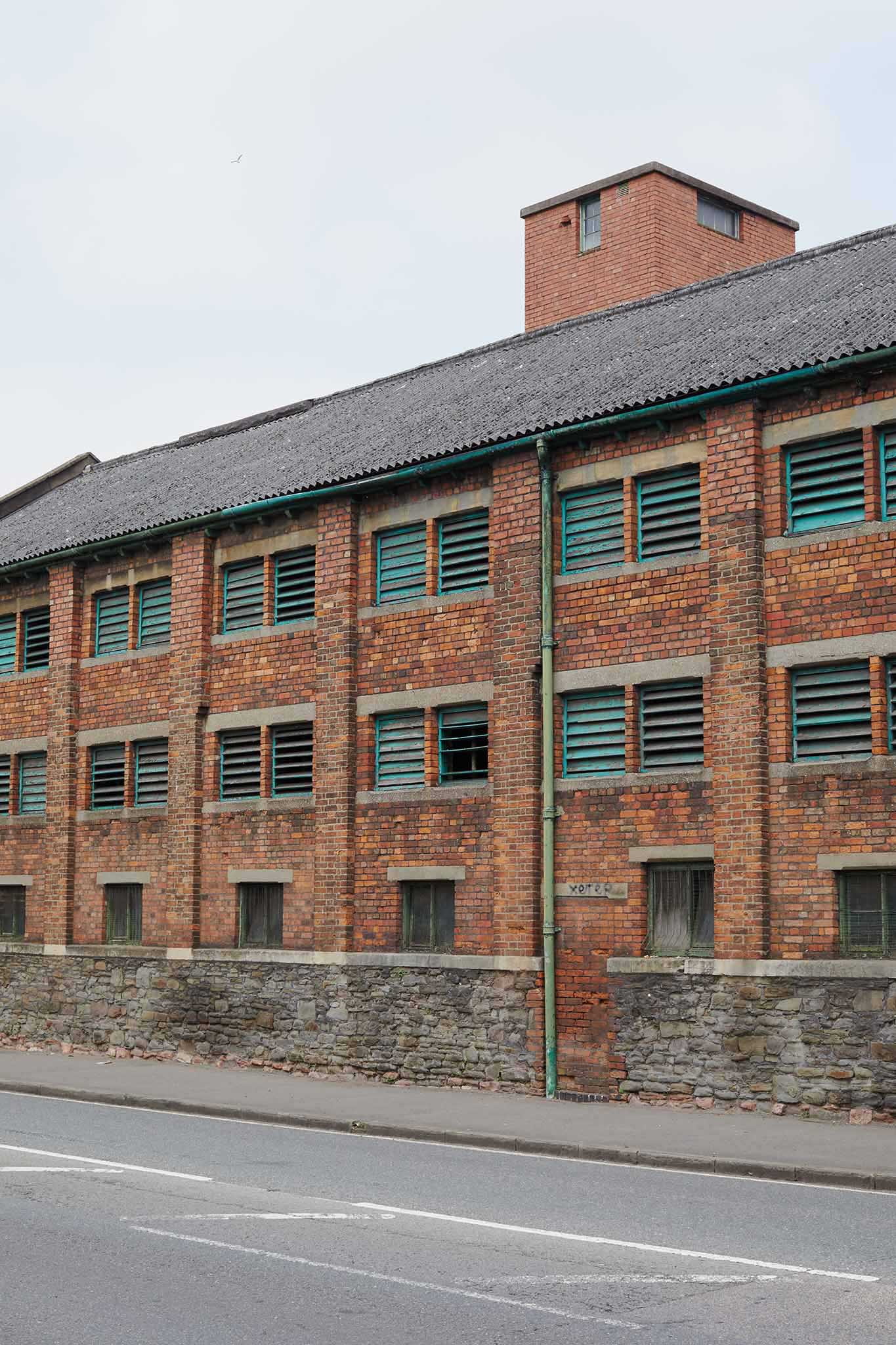
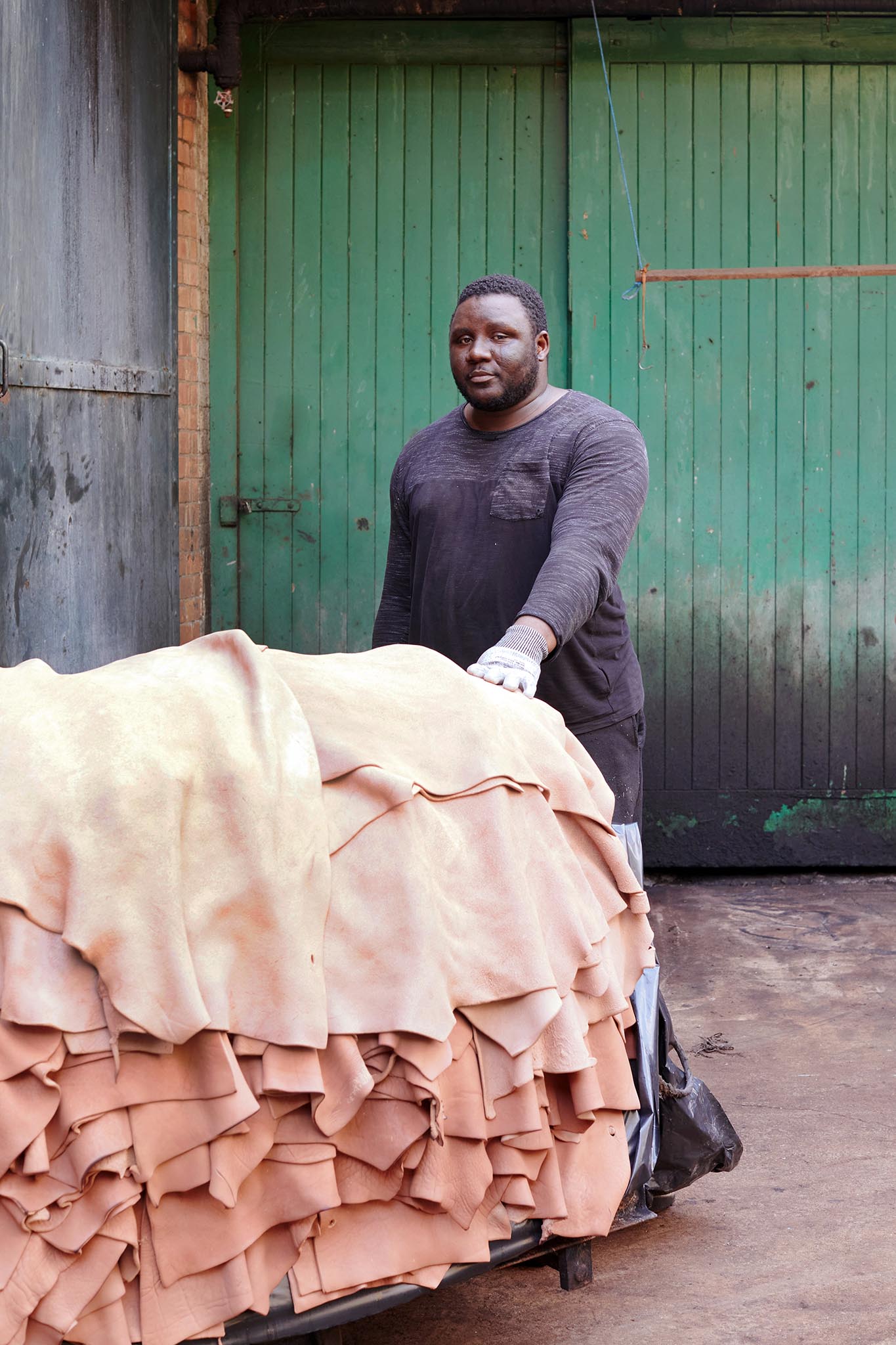
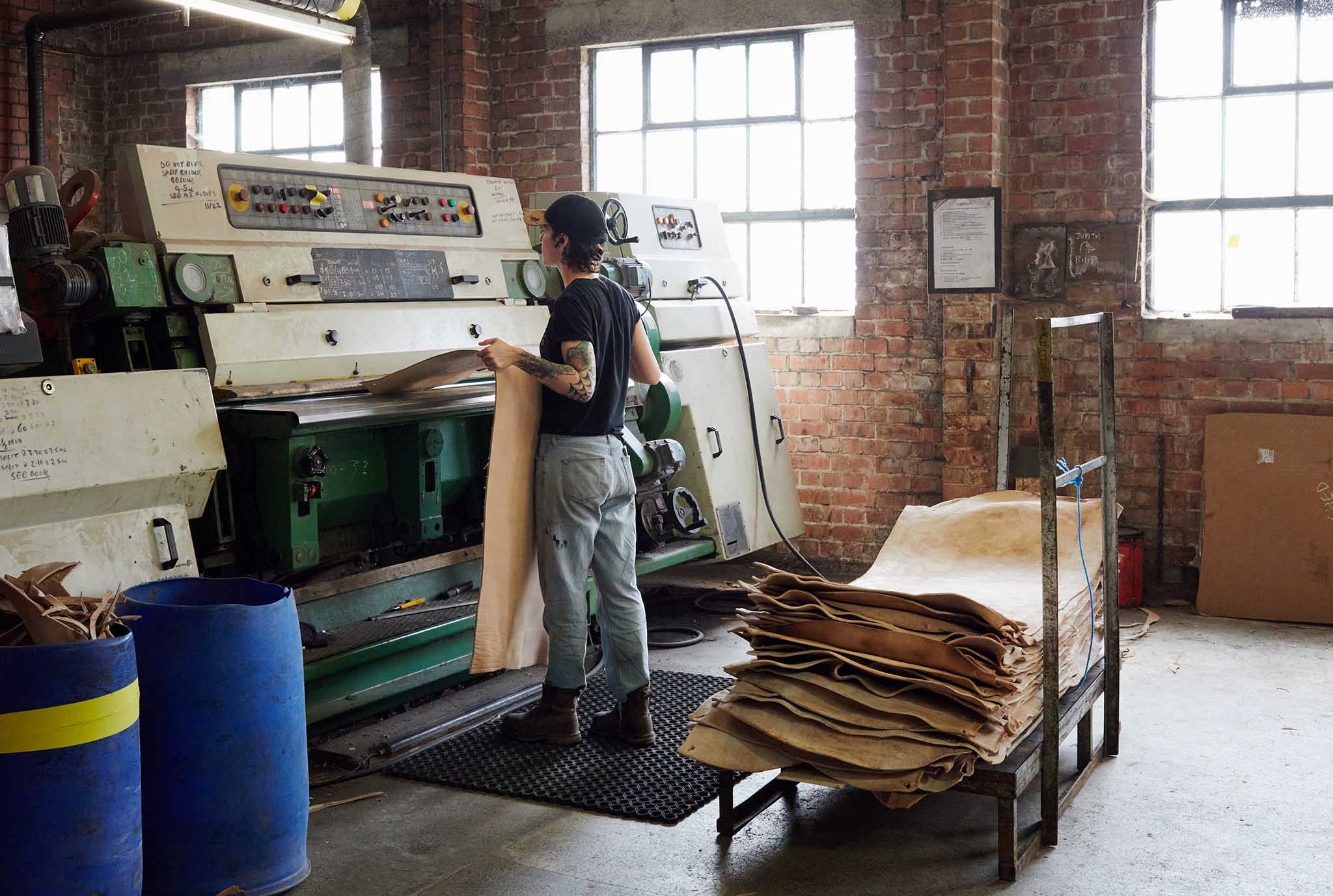
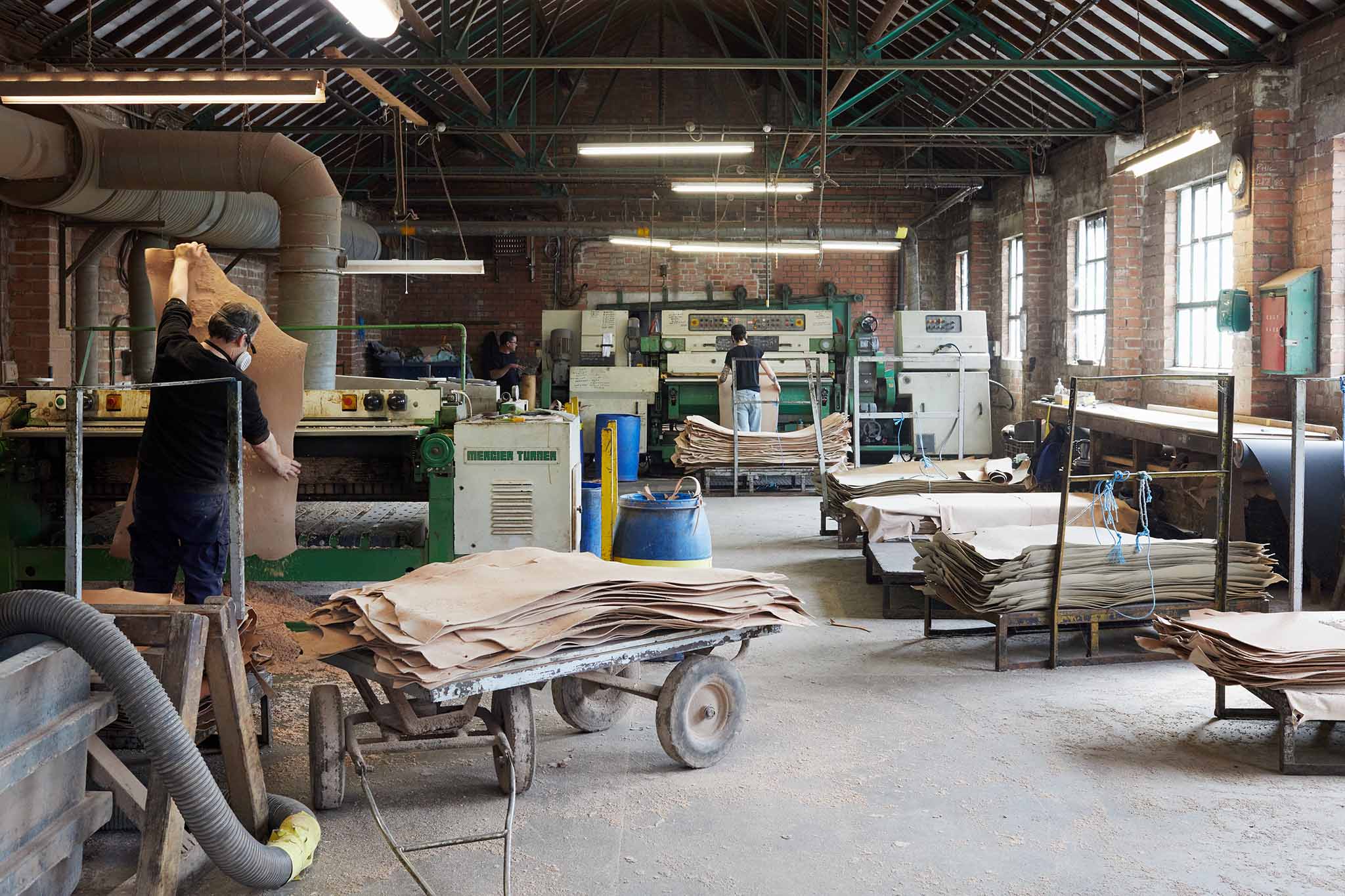
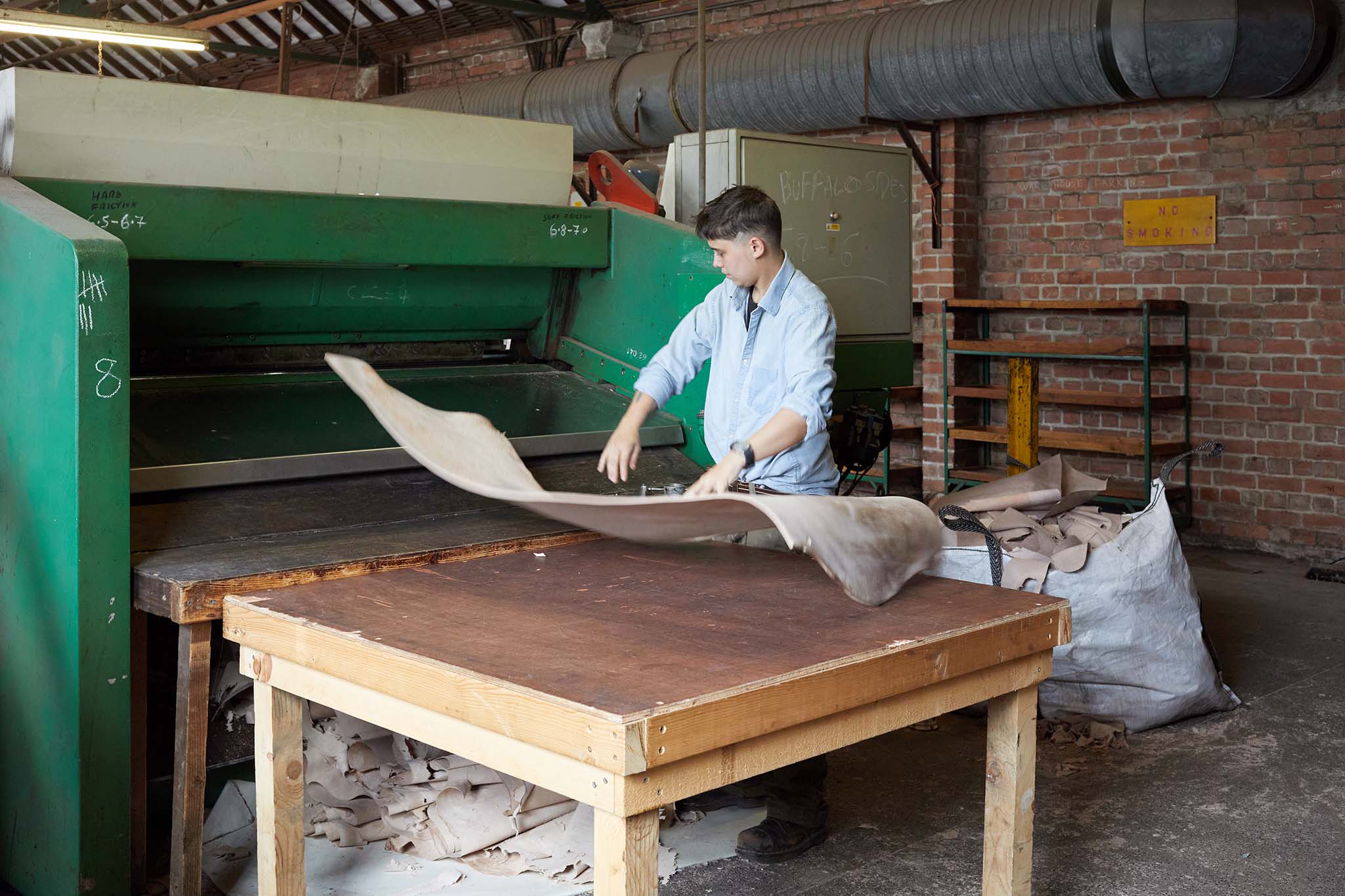
The Ware brothers came from Devon where they ran tanneries before purchasing the large Clift House Estate in south Bristol, home to an operational tannery since 1840. They built a reputation as specialists in sole leather and they continued to grow the business. In 1929, a 19 year old apprentice, Douglas Brearley joined the company and worked his way up eventually joining the board. He retired in 2002 after 73 years of service, handing over to his sons, followed by grandson Alistair Brearley who still runs the firm today. To obtain the maximum possible profit from a hide, in recent years the company have expanded their product range beyond soles and equestrian to include more specialist niche leathers, anything from cue tips, flooring, cricket balls, to high-end fashion goods. The tannery uses a combination of traditional leather tanning techniques and modern technology to produce a range of leathers, which they supply to clients all over the world.
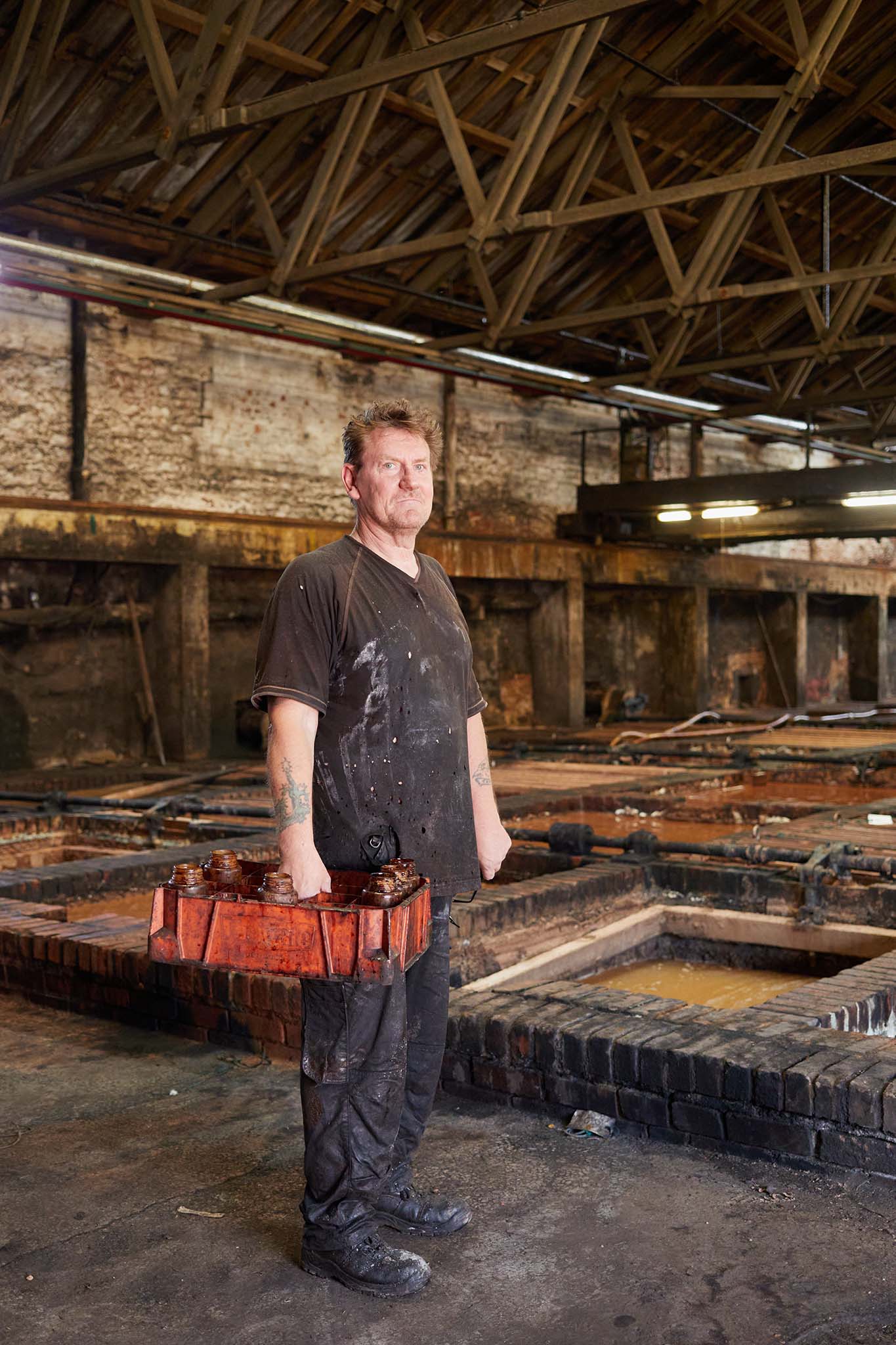
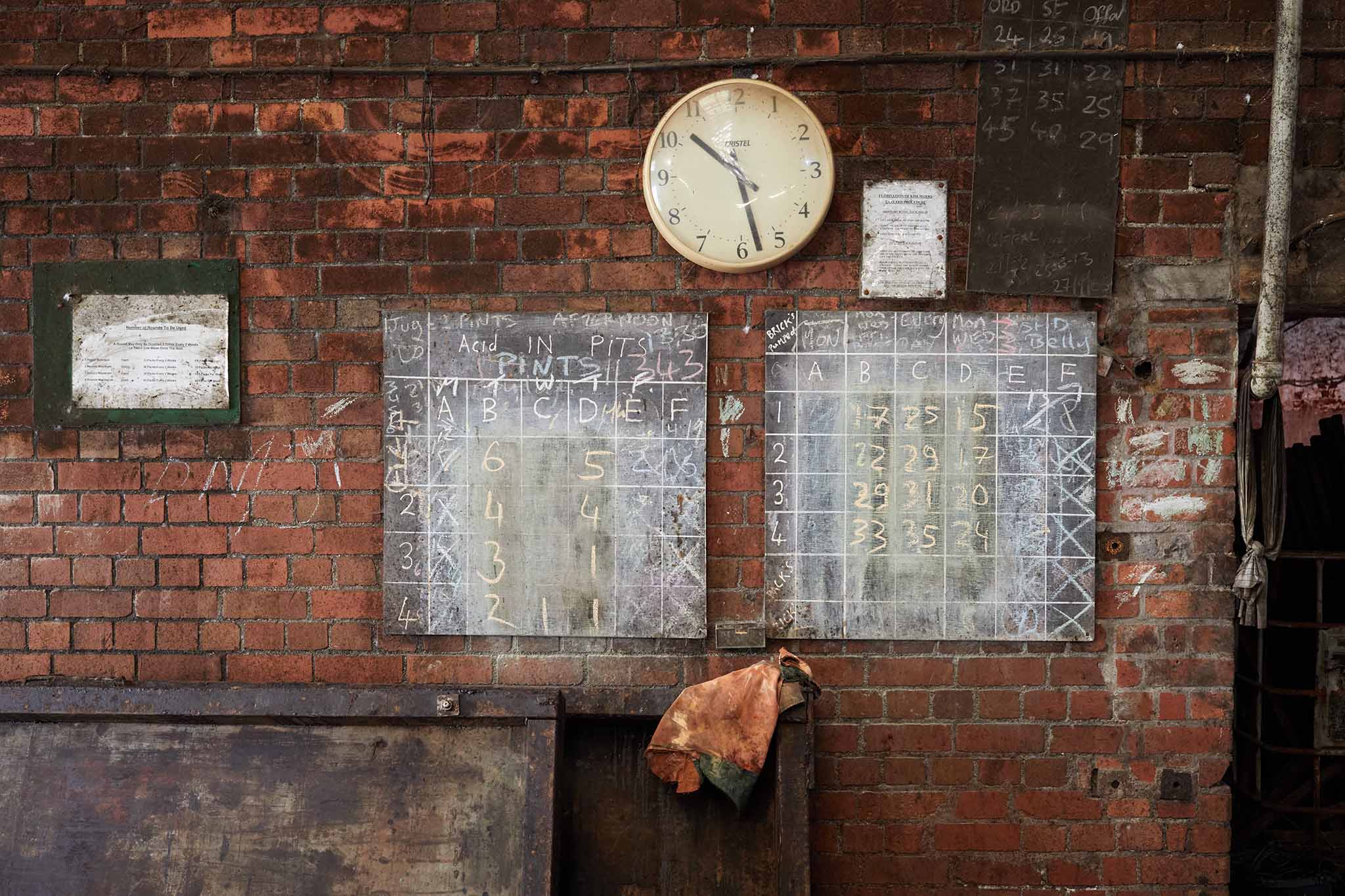
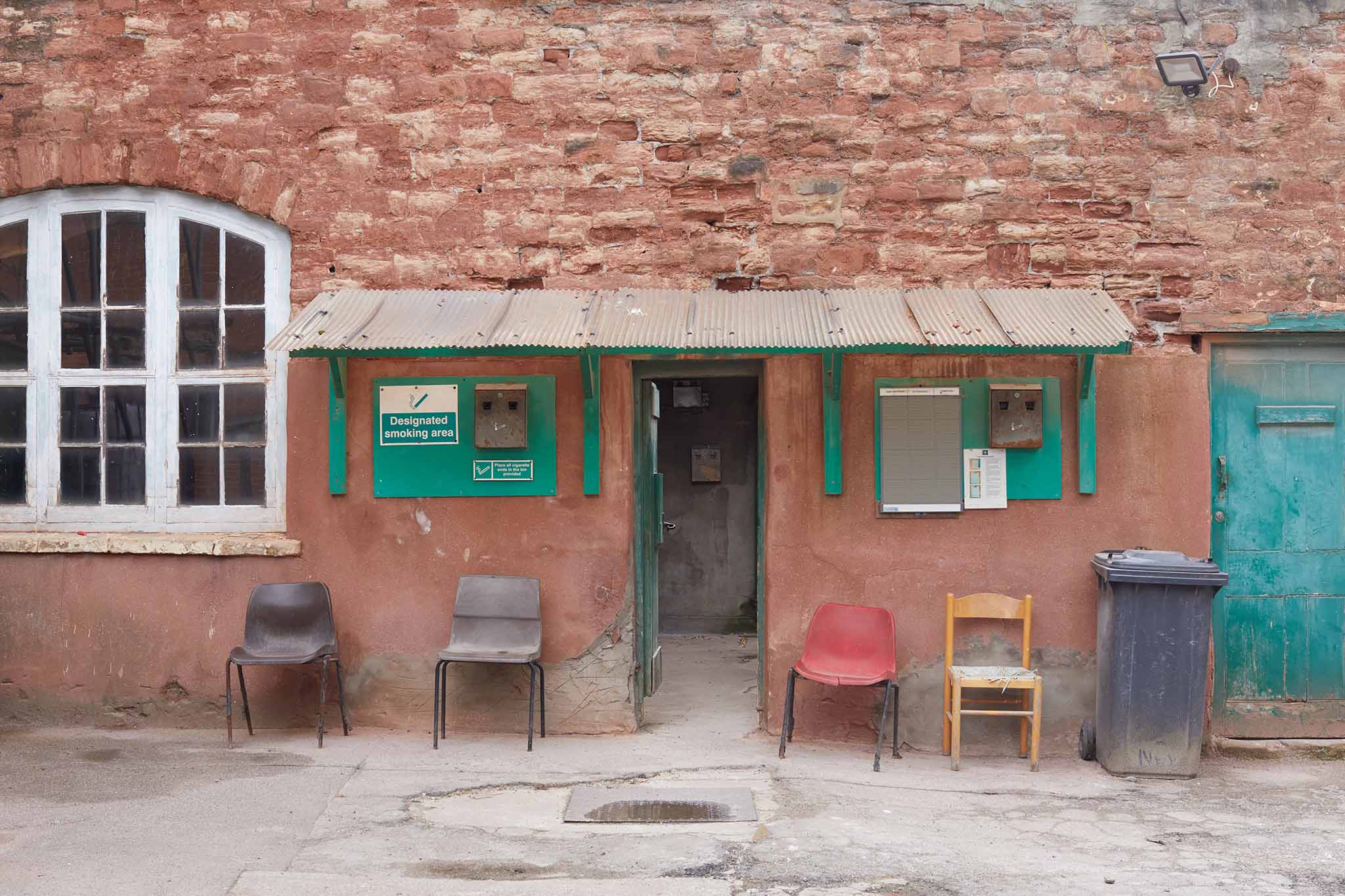
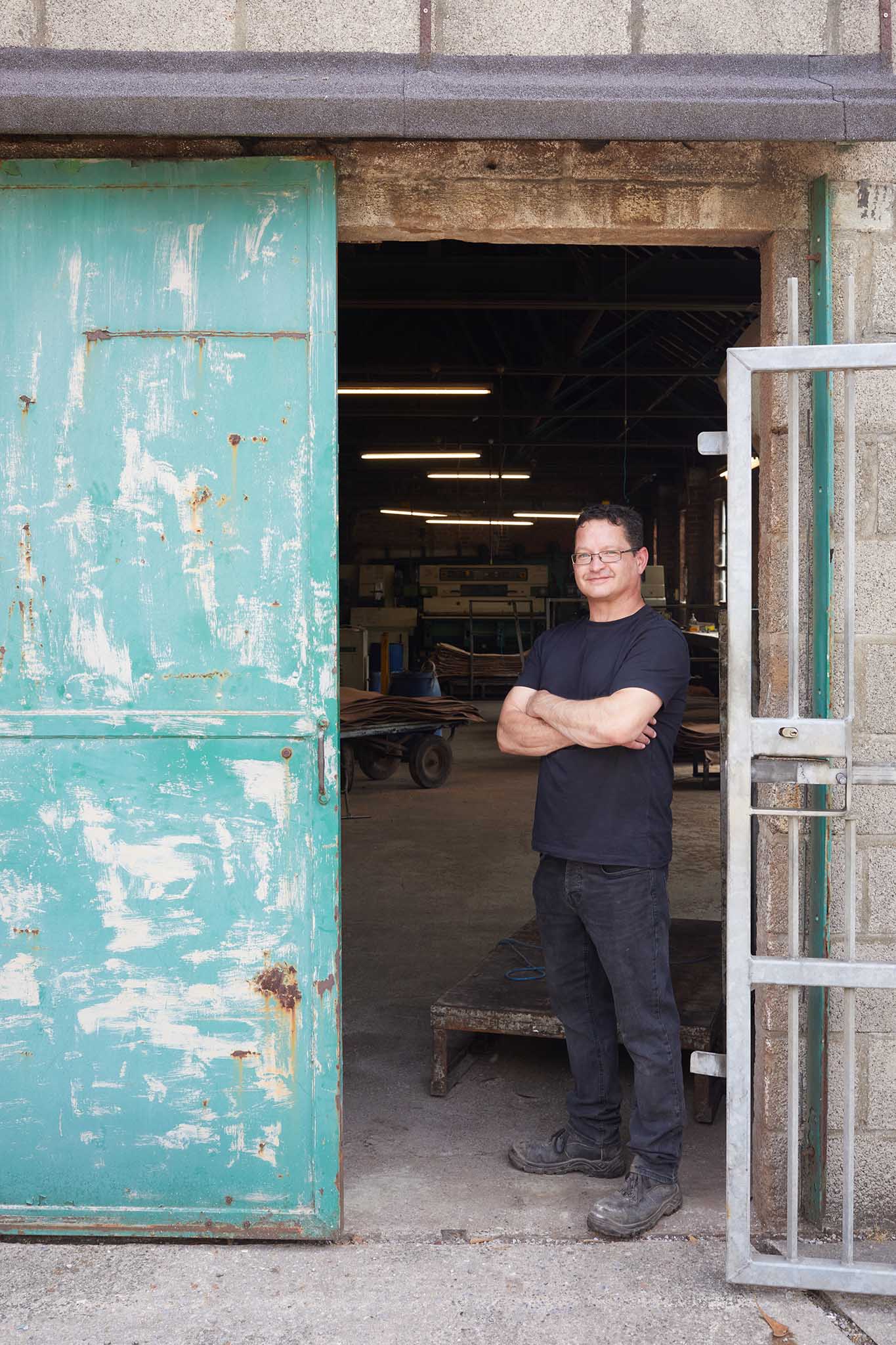
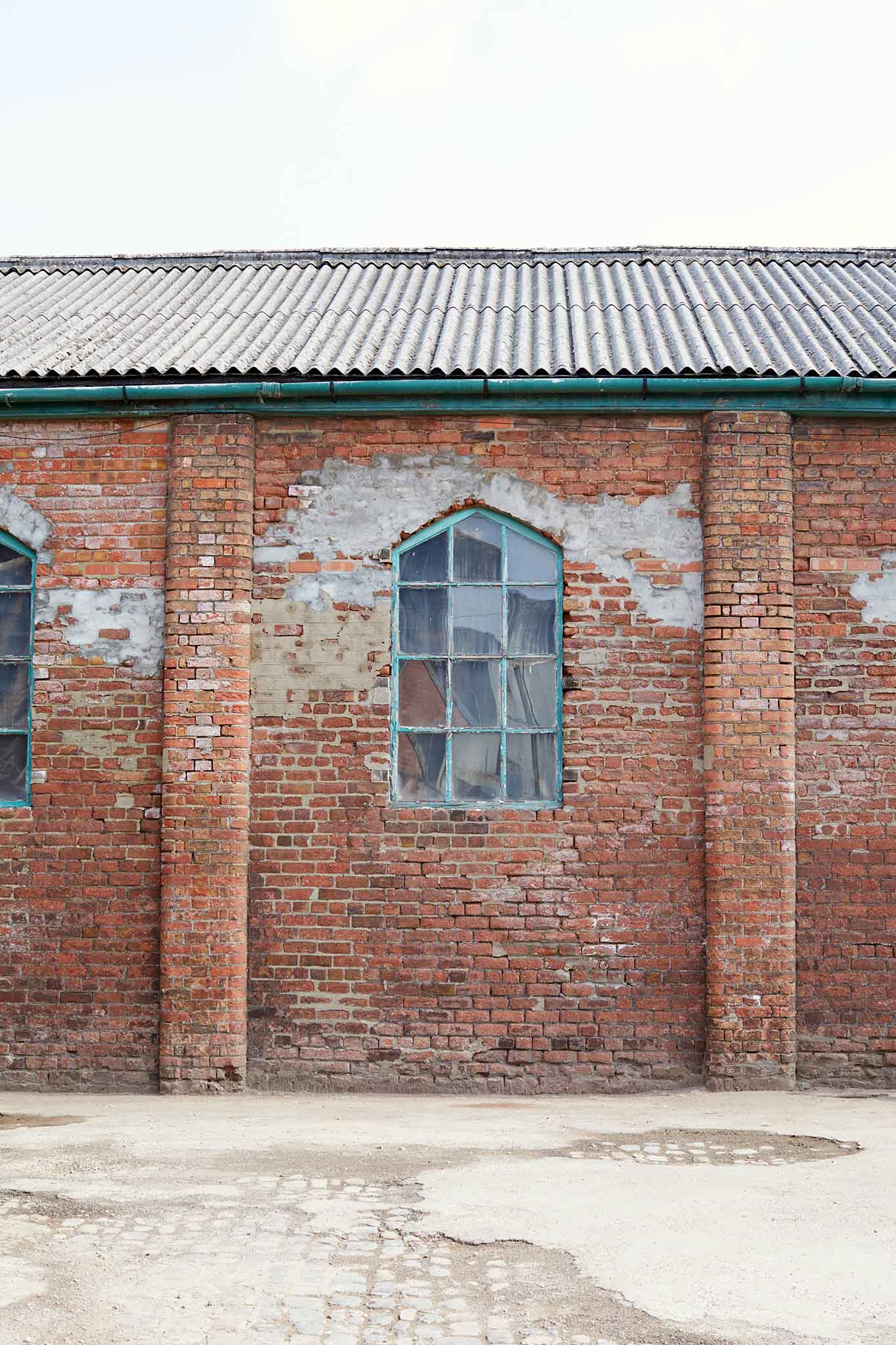
"Having grown up in Bristol, I was very familiar with the Thomas Ware site near the Docks, but had no idea what went on beyond its high walls. Once through the gates it opens out into a 5 acre site and going behind the scenes felt like stepping back in time. Heading into the tanyard - the vast room with pits as far as the eye could see, was breath taking and a sensory overload with very strong odours from the hides and tannins. These processes have hardly changed in the hundred years that the family have been operating here". Carmel King photographed Thomas Ware & Sons for Historian Dr Ian Stone in June 2023.